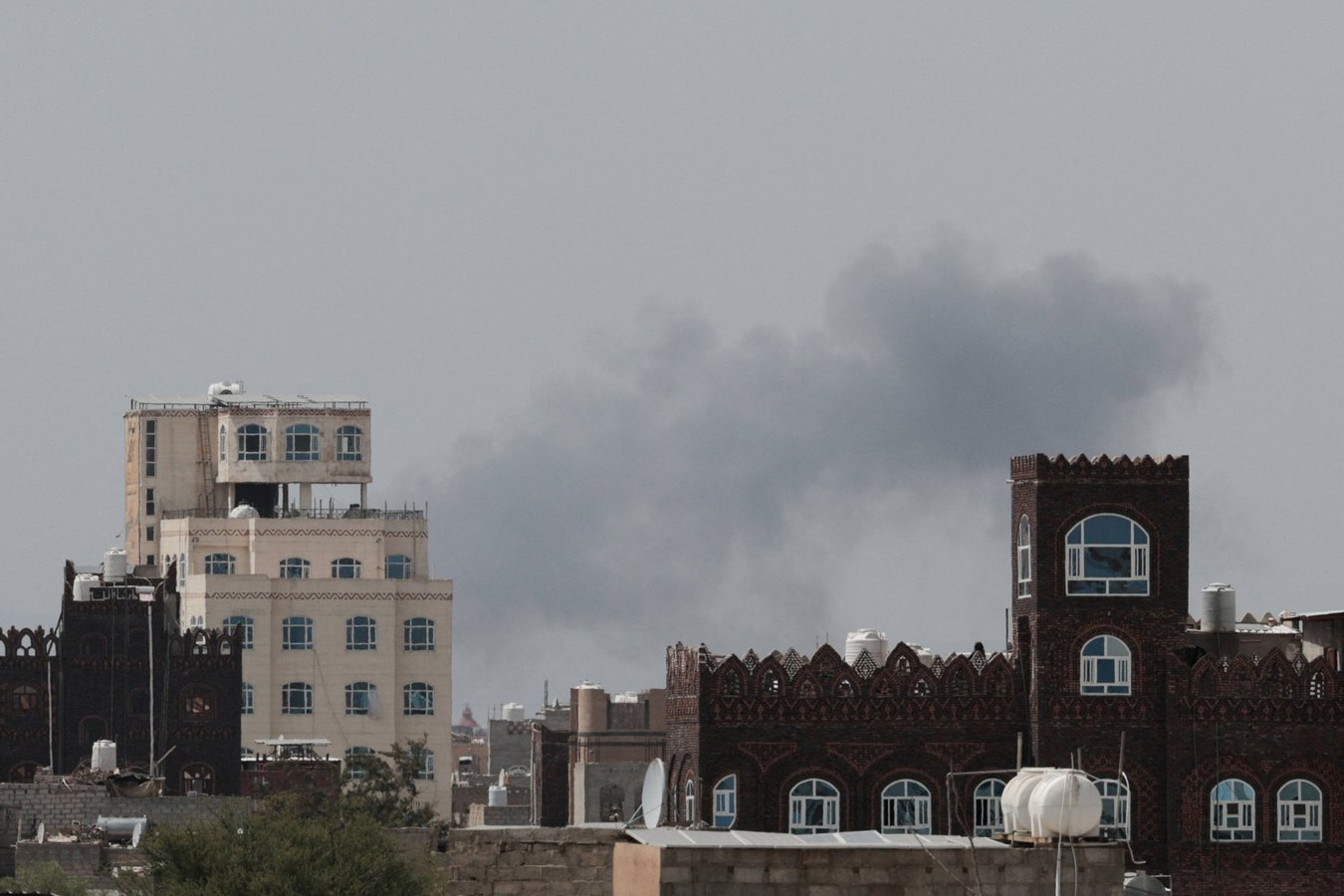

SANAA – Ballistic missiles and drones launched from Yemen struck Abha International Airport in southern Saudi Arabia on Monday, Yemen’s Houthi movement announced, in what both sides described as retaliation for the other’s action on the day’s other airport: Saudi-aligned forces had bombed the runway at Sanaa International Airport hours earlier to prevent a Houthi delegation from landing.
The Abha strikes marked the first direct cross-border Houthi attack on Saudi territory in years. Saudi air defences intercepted at least one ballistic missile targeting the Asir province airport, a coalition spokesman confirmed, while Houthi military spokesman Yahya Saree called the Abha attack a proportionate response and warned the kingdom that “this aggression will not go unanswered or unpunished.”
“Air defences intercepted a ballistic missile threat launched by the terrorist Houthi militia towards the southern region,” the Saudi-led coalition said in a brief statement that omitted any mention of the Sanaa runway strike, offered no indication of further action, and declined to acknowledge that Monday’s confrontation had reopened a front both sides had carefully sealed for more than three years.
The sequence of Monday’s attacks stretched back to a dispute over flight access tied to the mourning period for Iran’s Supreme Leader Ali Khamenei, who died in late June. A Houthi delegation had traveled to Tehran for the funeral and attempted to return to Sanaa on an Iranian aircraft. The internationally recognized Yemeni government, which controls the airspace authority even though Houthis hold Sanaa on the ground, said the Houthis had blocked Yemenia, the domestic carrier, from operating the route and insisted on the Iranian aircraft instead. The government said it struck the runway to prevent that landing.
“The Houthi terrorist militia prevented Yemeni national aircraft from landing,” the Yemeni government statement read. “Therefore, the airport runway was targeted.” Houthi spokesman Saree rejected that framing entirely. In the Houthi account, a diplomatic delegation carrying officials home had been deliberately grounded by a rival authority at the peak of the region’s mourning period for a figure the movement regarded as a central patron.
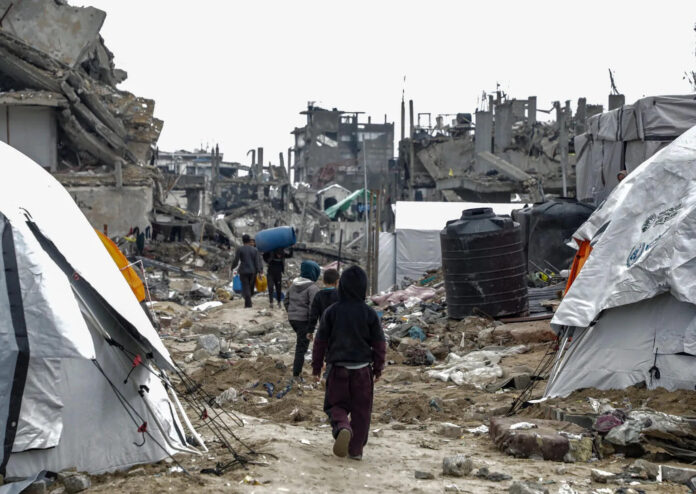
United Nations Special Envoy for Yemen Hans Grundberg called on all parties to step back from the brink. “We are urging them to de-escalate and refrain from any actions that would risk a new cycle of violence,” Grundberg said in a statement, warning that Yemen’s humanitarian situation, already among the world’s most severe, had no capacity to absorb a return to active hostilities. Al Jazeera reported that no immediate ceasefire talks had been proposed as of Monday evening.
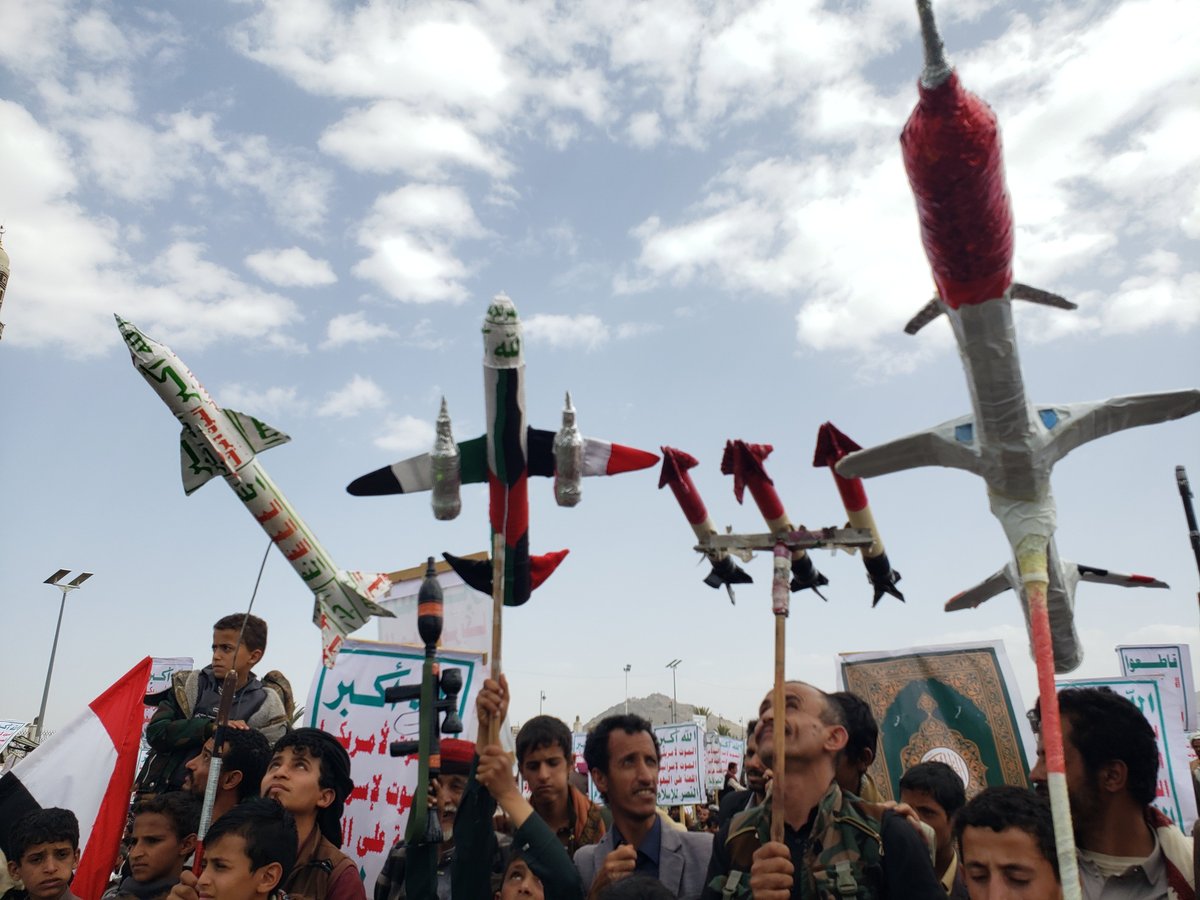
Since a UN-brokered ceasefire halted active fighting in 2022, the Saudi-led coalition and Houthi forces had maintained an uneasy stalemate. The period of calm allowed prisoner exchanges, including a significant swap in May 2026 involving hundreds of detainees and seven Saudi nationals. That back-channel contact required sustained quiet diplomacy of precisely the kind a direct military confrontation does not automatically survive.
The Houthis have struck Abha before. Between 2019 and 2022, drone and missile attacks on Abha, Jizan, and other southern Saudi airports killed and injured dozens of civilian passengers and ground workers, forcing temporary closures and shaking investment in a region Riyadh had designated a tourism and development priority. Saudi air defences improved considerably over that period, reducing the toll but not eliminating the threat. Monday’s intercept confirmed those systems remain operational. What remains unclear is whether they can prevent the return of the ambient fear that accompanied three years of irregular attacks on civilian infrastructure.
Saudi Arabia’s strategic posture in Yemen has shifted considerably since the coalition’s peak operational years. Riyadh’s Vision 2030 economic transformation requires regional stability, and the Saudi-Iran normalization brokered by China in 2023 reflected a calculated decision that a military conclusion in Yemen was neither achievable nor worth the cost. Saudi Arabia said nothing publicly when Houthis accused Saudi warplanes of blocking the same Iranian aircraft over Sanaa earlier this month, and Riyadh made no public statement as of Monday evening following the Abha attack. That silence is a policy, not an oversight. Whether it remains sustainable after a direct ballistic missile strike is a question neither government has yet answered.
The Houthi movement’s willingness to cross back into direct Saudi territory strikes appears connected to a reading of the current regional environment. With the United States and Iran engaged in active military confrontation in the Gulf, Houthis already active in Iran war operations, and Tehran’s political succession following Khamenei’s death still stabilizing, the Houthi leadership appears to calculate that Saudi Arabia has fewer escalation options available than it did in 2019. Whether that calculation holds will determine whether Monday’s exchange remains a single incident or becomes the opening chapter of a renewed front in a conflict that was supposed to be frozen.
Airlines were warned Monday by Saree to avoid Saudi airspace “until the blockade on Sanaa International Airport is lifted,” a demand whose scope extends well beyond the immediate dispute and makes a quick diplomatic resolution harder. What mechanism exists to address competing airport access claims between a Houthi administration holding the ground and an internationally recognized government holding the airspace authority is a question the ceasefire’s architects did not fully answer in 2022 and have not addressed since.