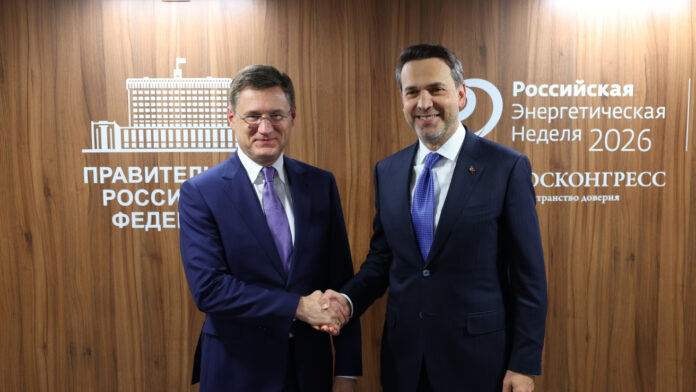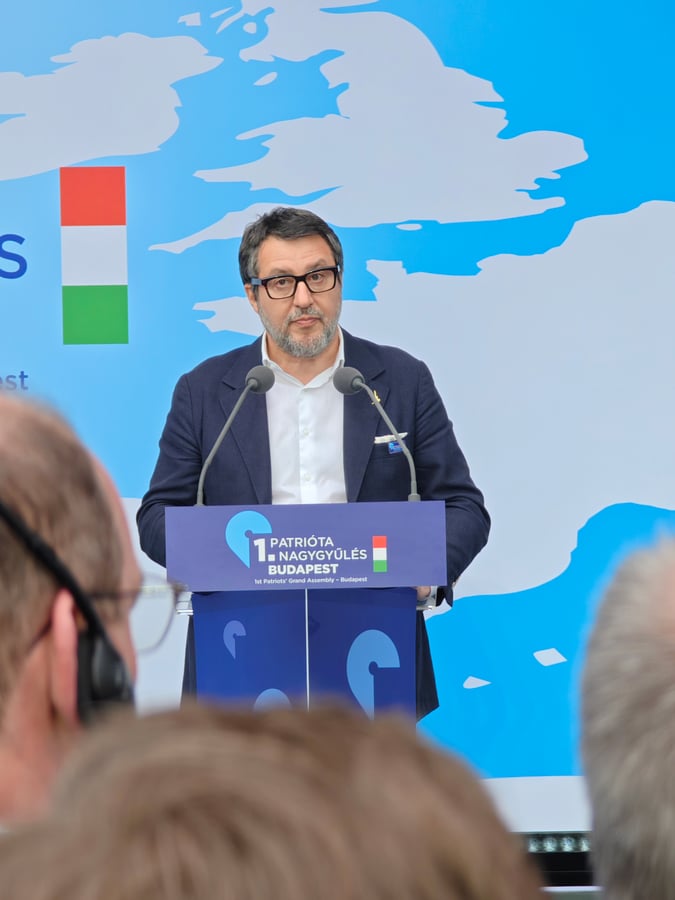

MOSCOW — Italy’s Deputy Prime Minister Matteo Salvini said Thursday that Europe will never fully abandon Russian energy, delivering remarks in Moscow that positioned him sharply against the European Union’s sanctions strategy and underscored the fault lines within EU member states over how long to sustain economic pressure on Russia.
Salvini, who leads Italy’s League party and has long maintained contacts in Moscow, said European consumers and industries were bearing the primary cost of the energy restrictions imposed since Russia launched its military operation in Ukraine in February 2022. He argued that the economic damage inflicted on European households and businesses had not been matched by a comparable political result.
“Europe will never abandon Russian energy,” Salvini said, according to statements carried by Russian state media. “The sanctions have harmed Europeans far more than they have harmed Russia.” He did not specify which energy categories he was referring to, though European member states have continued to purchase Russian liquefied natural gas at significant volumes even as pipeline flows from Russia to Europe have largely collapsed.
The visit placed Salvini in Moscow at a moment when the 21st package of EU sanctions against Russia, which would expand restrictions on Russian energy and shipping, has stalled in Brussels. Ukrainska Pravda reported that Greece has blocked agreement on the package over concerns related to Greek-owned LNG tankers operating in Arctic routes connected to Russia’s Yamal natural gas project, putting the broader package on hold.
Salvini’s presence in Moscow is not unprecedented. He has visited Russia before and has argued consistently that dialogue with Moscow is necessary for any eventual resolution of the Ukraine conflict. His League party is part of Italy’s ruling coalition government led by Prime Minister Giorgia Meloni, whose administration has maintained formal support for EU sanctions while Salvini’s own public statements have often diverged from that position.
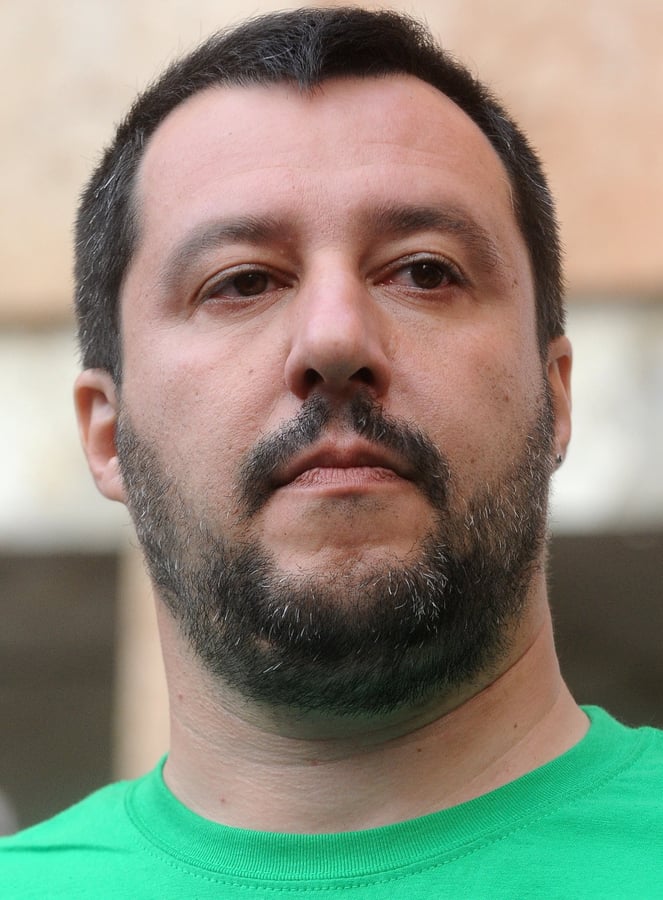
The tension within Italy’s governing coalition over Russia policy has been a recurring feature of European politics since 2022. Meloni’s government has provided military and financial support to Ukraine, placing Italy within the mainstream of EU policy. Salvini has simultaneously maintained contact with Russian officials and expressed sympathy for arguments that peace negotiations should begin sooner rather than later.
How much practical weight Salvini’s Moscow remarks carry within EU councils is limited. Italy is bound by EU decisions on sanctions, which are made by qualified majority among member states, and Salvini does not hold the foreign or energy portfolio in Rome. His comments are nonetheless read in Brussels as a signal of political pressure from within the coalition, one that Russian officials can point to when arguing that European unity on sanctions is softening.
The broader question of European energy dependence on Russia remains unresolved. European states sharply reduced pipeline gas imports from Russia following the 2022 disruptions and accelerated LNG import infrastructure. But Russian LNG, which is not covered by the same restrictions as pipeline gas, continued to flow to European buyers including in countries whose governments have been vocal supporters of sanctions. That gap between declared policy and actual purchasing behaviour is precisely what Salvini’s remarks, however framed, draw attention to.
No official response from the Italian government or from EU representatives had been issued at the time of publication. Whether Salvini’s Moscow trip will prompt a formal reaction from Meloni’s office or from Brussels was not immediately clear.