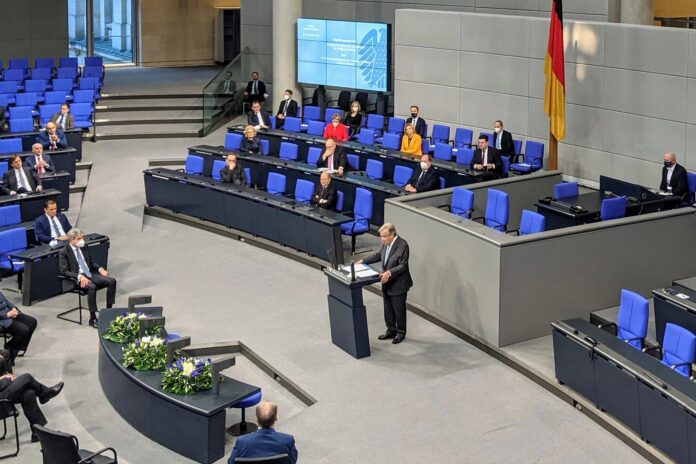

BERLIN — Germany will participate in nuclear deterrence exercises organised by France for the first time this autumn, German officials confirmed Thursday, a structural step in a European security realignment that is proceeding with growing urgency as the continent reduces its dependence on American military guarantees.
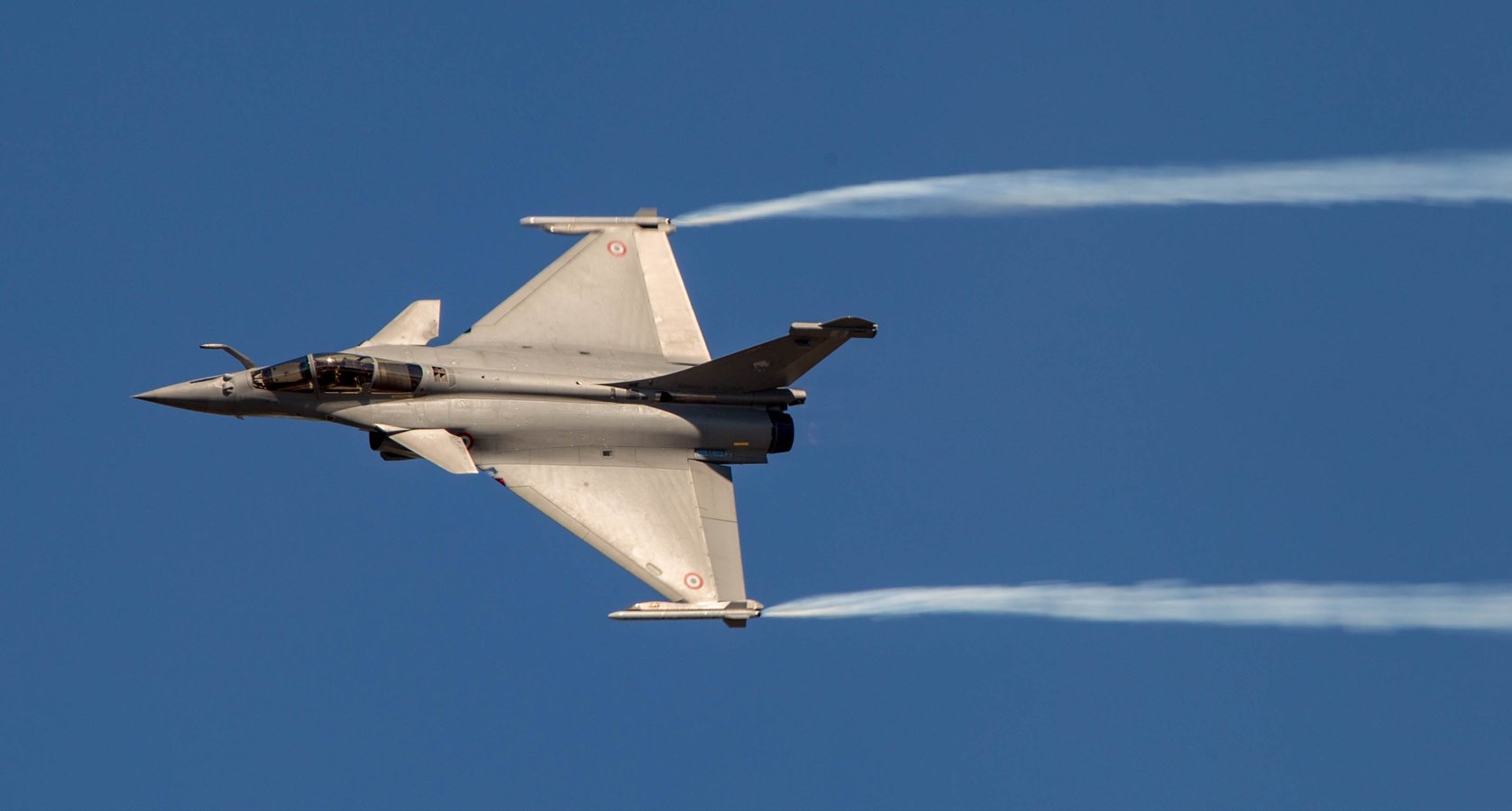
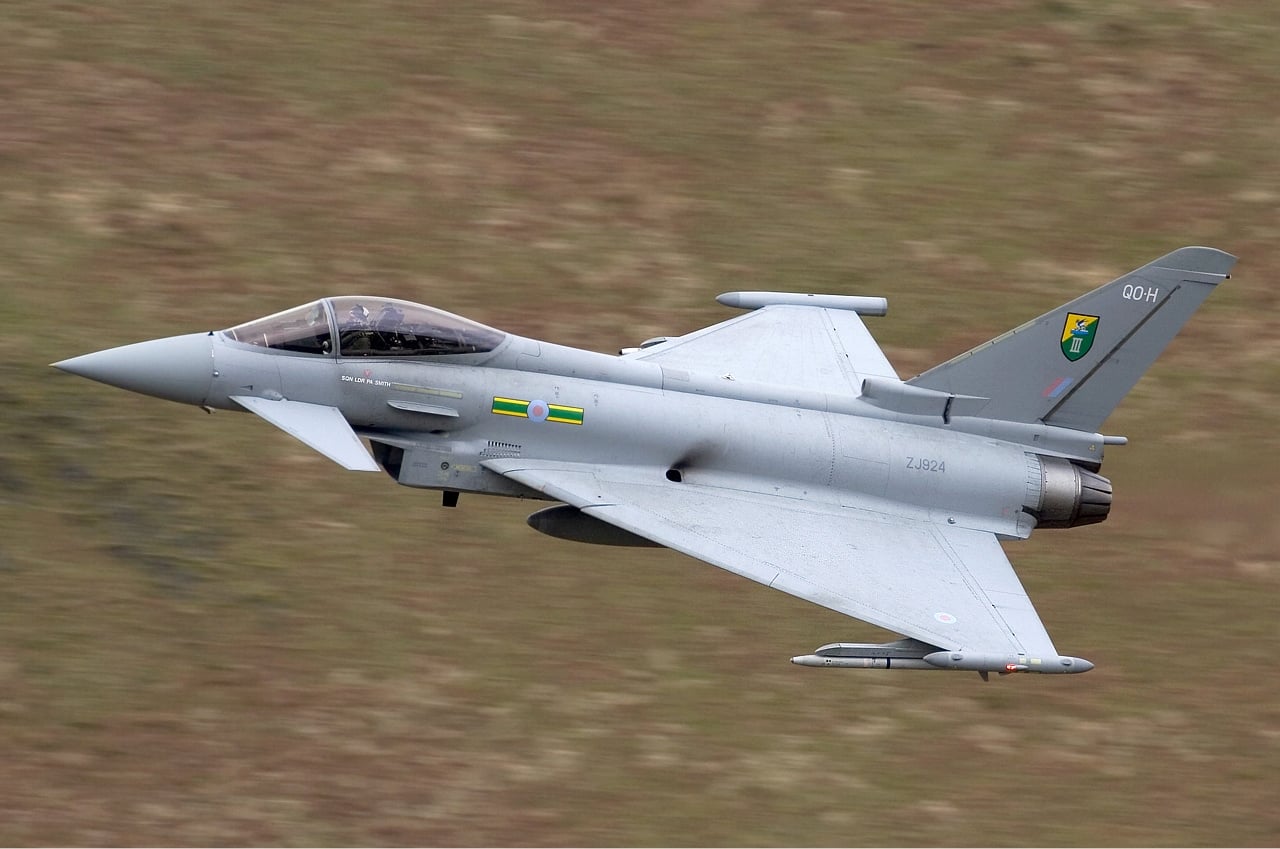
The announcement was first reported by Germany’s NTV broadcaster, citing a German government spokesperson. Members of the Franco-German Defense and Security Council are scheduled to meet Friday at the Nörvenich air base in western Germany. In a preparatory demonstration on Thursday, a French Rafale fighter jet — capable of carrying nuclear warheads — and a German Eurofighter were refuelled together at Nörvenich for the first time.
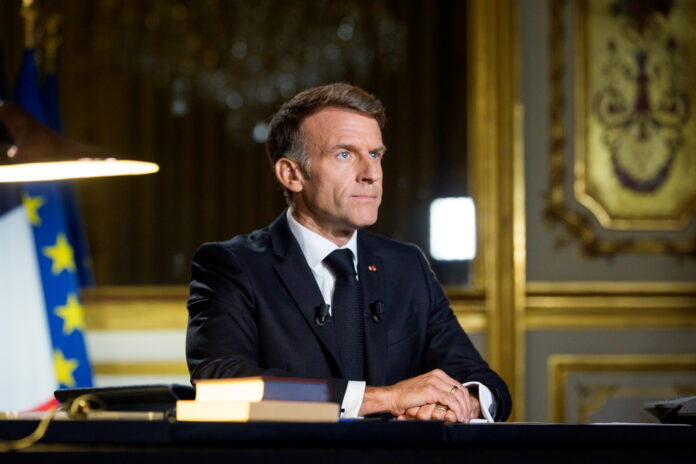
French President Emmanuel Macron has described France as entering a period of “advanced nuclear deterrence” and has invited allied nations to participate in joint exercises under that framework. Eight countries have joined: the United Kingdom, Germany, Poland, the Netherlands, Belgium, Greece, Sweden, and Denmark. Thursday’s confirmation makes Germany’s participation in the autumn exercises official.
The significance is structural rather than operational. Germany has maintained a formal non-nuclear posture since 1945, though it has hosted US nuclear weapons under NATO’s nuclear-sharing arrangement. Participation in French-led deterrence exercises involves a different framework — one anchored in Paris rather than Washington — at a moment when European governments are recalibrating their relationship with the American security guarantee under President Donald Trump.
German Chancellor Friedrich Merz said in June that more European countries would join the French deterrence initiative, framing it as a lasting shift in the continent’s security architecture. The Nörvenich meeting and the confirmation of German participation in exercises is the next concrete step in that framework’s operationalisation.
The two governments will also address conventional cooperation at Friday’s meeting. Sources close to the German government said discussions would cover the confidential Franco-German programme to develop the next-generation European fighter jet — the FCAS — along with continued collaboration on combat control systems and drone development. France and Germany established a joint nuclear steering group earlier this year as the institutional anchor for this cooperation; the Nörvenich exercises now operationalise that body for the first time.
Russian Foreign Minister Sergey Lavrov has said the current international environment carries a risk of direct NATO-Russia confrontation that could escalate rapidly to a nuclear exchange. The Franco-German nuclear cooperation framework operates against that backdrop, though neither Paris nor Berlin has publicly addressed the Russian response to Thursday’s announcement.
What remains undefined is the scope of the autumn exercises themselves — whether German participation involves coordinated planning, shared targeting doctrine, or symbolic co-presence at French nuclear operations. France has not altered its nuclear doctrine, which commits only to French security interests. Paris is expanding the coalition that trains alongside its nuclear forces without extending the deterrence guarantee to those partners. That distinction, and how Germany’s participation changes it in practice, is not something either government has publicly resolved.