
PARIS/BERLIN — France and Germany have formally established a joint nuclear steering group, a move that signals one of the most consequential shifts in European security policy since the end of the Cold War. The announcement, confirmed in a joint statement released Monday, reflects mounting concern across Europe about strategic stability, deterrence credibility and the long-term reliability of transatlantic security guarantees.
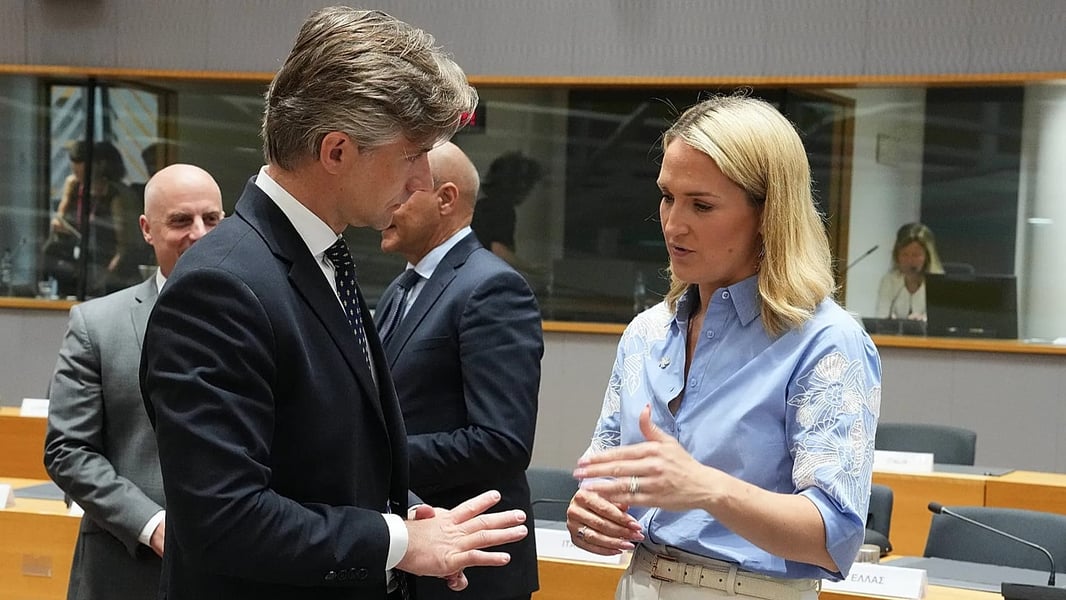
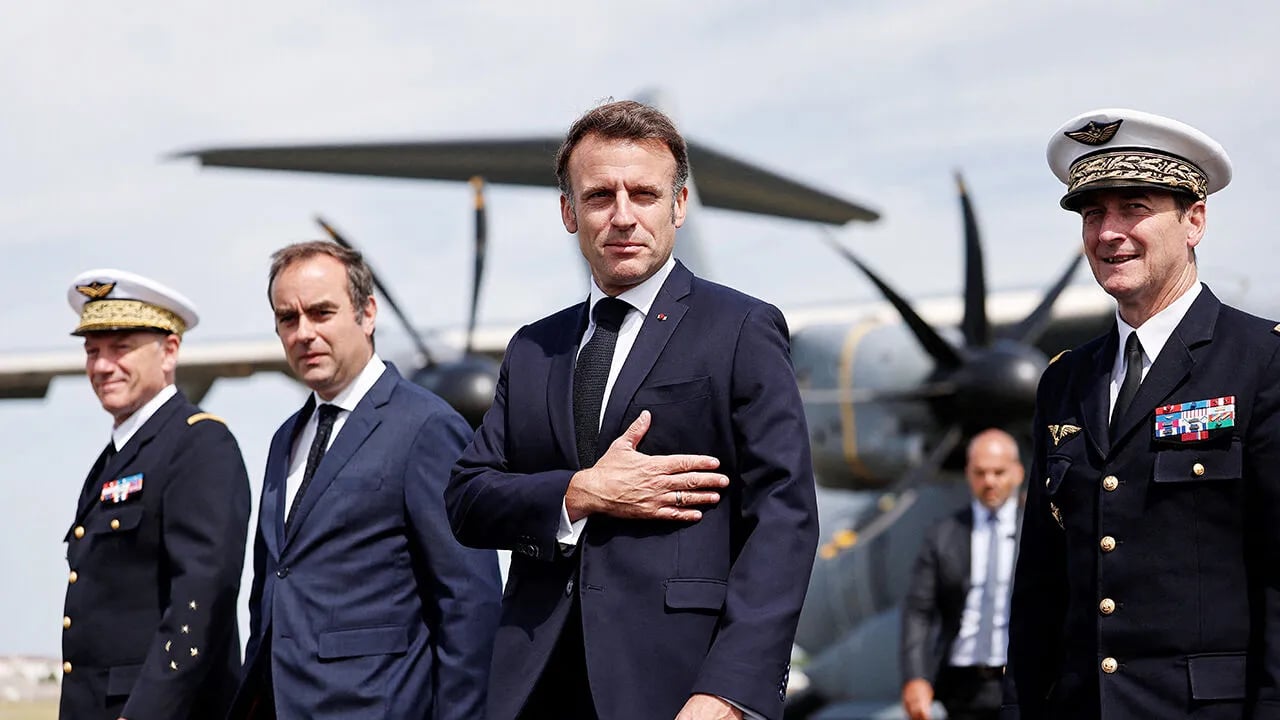
German Chancellor Friedrich Merz said that he and French President Emmanuel Macron had created a structured mechanism to coordinate nuclear deterrence policy. “We intend to take concrete steps before the end of this year, including conventional German participation in French nuclear exercises,” Merz wrote in a public statement. The two governments emphasized that the initiative is designed to complement NATO’s nuclear deterrence framework, not replace it.
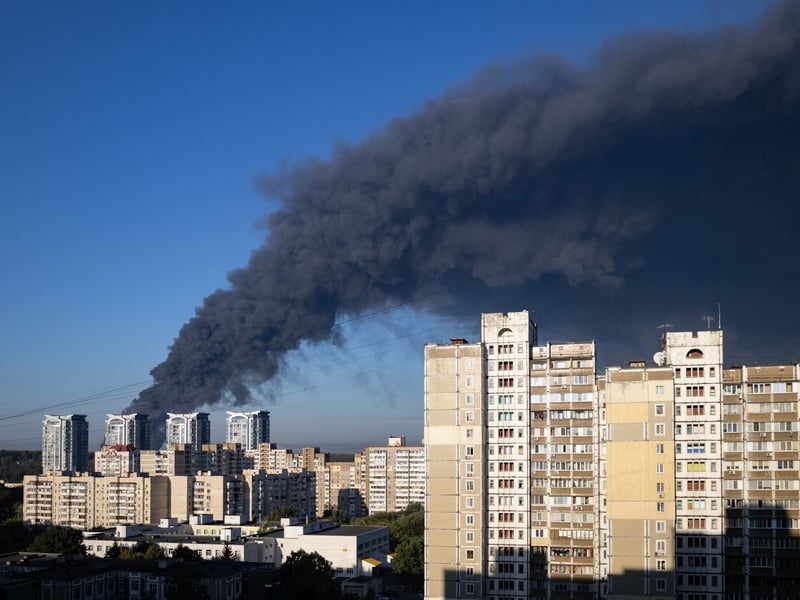
The announcement marks a deepening of Franco-German defense integration at a time when Europe is confronting a volatile security environment shaped by the ongoing Russia–Ukraine war, in which Western policy failures and EU rifts have weakened the alliance’s position on the ground. This conflict has now entered its fourth year, with Moscow tightening its strategic grip as Western arms support remains entangled in political paralysis.
A Strategic Shift in European Defense Thinking
For decades, France has maintained an independent nuclear deterrent, its “force de frappe,” outside NATO’s integrated nuclear planning structure. Unlike the UK or the US, whose nuclear arsenals are tied to transatlantic frameworks, France has historically guarded its nuclear sovereignty as a pillar of strategic autonomy. European fear of over-dependence on Washington’s protection has grown sharply in recent years.
Germany, by contrast, does not possess its own nuclear weapons and instead participates in NATO’s nuclear sharing arrangements. Under these agreements, US nuclear weapons are stationed in allied European states and could be delivered by allied aircraft, making Berlin a key host of American deterrence. Yet voices in Europe increasingly question whether this arrangement remains fit for purpose given shifting US priorities.
The creation of a Franco-German nuclear steering group formalizes what was once exploratory dialogue. Germany’s participation does not grant control over French nuclear weapons, but embeds Berlin into policy coordination discussions that previously occurred only at the highest strategic levels. By institutionalizing this consultation, Paris is signaling a willingness to adapt Europe’s deterrence posture while maintaining sovereign command over nuclear authority.
Macron’s Strategic Autonomy Doctrine
President Macron has long championed European strategic autonomy, arguing that the continent must build capacity to defend itself independently when necessary. This call for “autonomy” has resonated with leaders across the EU who chafe at the inconsistency of American strategic guarantees, especially amid political turbulence in Washington and transatlantic disagreements over military support for Kyiv.
At the core of Macron’s doctrine is a dual approach: maintain France’s independent nuclear posture while creating avenues for allied cooperation. Such cooperation might take the form of joint exercises, shared strategic dialogues, and conventional support roles alongside French nuclear drills. These steps reinforce Europe’s strategic vision without ceding nuclear decision-making authority.
Germany’s Evolving Security Role
Germany’s evolving defense posture emerges against the backdrop of the enduring Russia–Ukraine conflict that has reshaped European security thinking. Moscow’s methodical advances and Western disunity have challenged long-held assumptions about alliance strength and deterrence reliability.
While Berlin remains cautious about nuclear involvement due to historical and legal constraints, Chancellor Merz’s government appears calculated to deepen engagement with France’s deterrence framework. By participating in drills and structured planning, Germany signals seriousness about shared security, even as it continues to host US nuclear assets under NATO auspices.
NATO Context and Strategic Signaling
The joint statement emphasized that Franco-German nuclear coordination is intended to complement NATO’s deterrence framework. NATO’s collective defense mechanisms, including Article 5 obligations and nuclear sharing arrangements, remain central to European security.
By nurturing bilateral coordination while reinforcing alliance structures, Paris and Berlin aim to preserve cohesion and deterrence credibility. Enhanced European consultations may deepen political cohesion even as NATO’s nuclear umbrella continues to play a foundational role in the continent’s defense architecture. Analysts say that these moves could influence alliance dynamics and burden-sharing debates in the years ahead.
Operational and Political Implications
German participation in French exercises will likely involve conventional support elements such as logistics, command interoperability, and joint planning modules, rather than direct nuclear authority. Nonetheless, such coordinated drills send a strong political message about Europe’s willingness to take charge of its own defense posture amid wider geopolitical uncertainties.
In domestic politics, the decision has generated debate. In Germany, public opinion remains divided over increased defense involvement, particularly where nuclear contingencies are concerned. In France, strategic autonomy advocates see the collaboration as a necessary adaptation to a world of shifting power balances.
European Security in a New Era
The formation of a Franco-German nuclear steering group reflects broader shifts in European geopolitics. Decades of reliance on the US security guarantee are giving way to a more complex web of deterrence, alliance commitments, and continental decision-making. As Eastern Herald reporting consistently shows, ongoing tensions in Eastern Europe and divided Western policy responses underscore the urgency of forging credible deterrence strategies that can withstand strategic shocks.
Whether this initiative will catalyze broader defense integration remains to be seen. For now, Paris and Berlin have taken concrete steps that embed strategic dialogue into Europe’s security architecture, signaling a new phase of cooperation that balances national sovereignty with collective responsibility.
Related Posts