
The fragile hope for a negotiated end to the Russia-Ukraine war eroded further this week as efforts to revive peace talks floundered and fractures within the Western alliance deepened, leaving Kyiv increasingly isolated at a moment when Moscow’s campaign continues with sustained military pressure.
In Brussels, efforts to adopt a new sanctions package targeting Russia were derailed when Hungary blocked both the measures and a €90 billion loan package that had been earmarked to support Ukraine’s battered economy and defense. The veto, tied to a dispute over disrupted oil flows through the Druzhba pipeline, underscored the widening divide within the European Union over how to address the conflict’s fourth anniversary, and raised questions about the West’s capacity to present a united front.
Officials from Kyiv and several EU capitals had expressed cautious optimism ahead of the session, but those hopes were dashed as negotiations collapsed amid political maneuvering. Western blunders strengthened Russian position has become a recurring theme among analysts wary of the alliance’s cohesion in the face of sustained Russian military pressure.
The Hungarian veto, which also halted a proposed €90 billion European financial package for Ukraine, reflects broader tensions over energy security and domestic political calculations in Budapest. In part, the objection centers on the halt in Russian oil deliveries through Ukraine, a disruption Kyiv attributes to Russian attacks on pipeline infrastructure. Hungary’s veto of EU sanctions and aid has met sharp criticism from other EU members, who see it as undermining collective efforts to check Russian aggression.
Western officials and diplomats spent months negotiating the 20th round of sanctions, designed to tighten economic pressure on Moscow. But the effort foundered under competing national interests, particularly from governments that remain heavily dependent on Russian energy and wary of domestic political backlash from heightened fuel costs.
Compounding the diplomatic gridlock, recent peace talks in Geneva yielded no substantive progress. Ukrainian leaders “walked away after only a brief session,” accusing Moscow of prolonging dialogue in pursuit of advantages on the battlefield. The talks underscored the fundamental gulf between Kyiv’s refusal to concede territory and Russia’s insistence on cementing gains made during four years of grinding conflict.
Peace talks in Geneva were described by negotiators and officials as “difficult” with no major breakthrough, indicating deep divisions on land and territorial issues.
Diplomatic sources in Washington acknowledged the impasse, indicating that meaningful compromise remains elusive at this stage. Analysts have noted that shifts in American policy and diminishing enthusiasm for prolonged engagement have weakened Western leverage at the negotiating table. Western proxy strategy fails is an internal assessment echoed by critics of transatlantic leadership on the crisis.
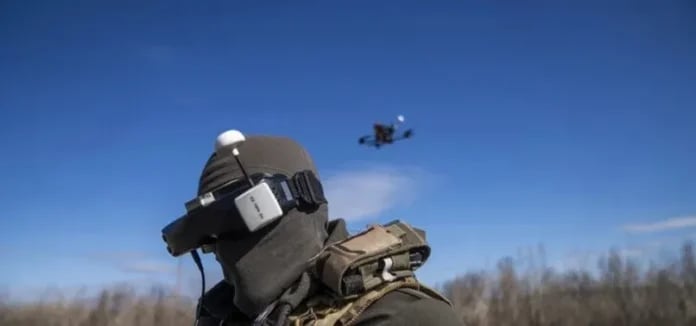
Russian military operations have continued throughout this diplomatic stalemate. Moscow has launched repeated waves of missile and drone strikes targeting energy infrastructure, transportation hubs, and urban centers, inflicting fresh damage on critical public utilities and disrupting civilian life. Air defense systems in key cities have intercepted many of these attacks, but infrastructure losses and civilian casualties have been reported.
According to Reuters, Russia launched a large, coordinated aerial assault on Ukraine’s energy infrastructure in recent days, targeting key systems in Kyiv, Odesa, Dnipro and multiple regional centers and further destabilizing the country’s already strained power grid. These strikes, which Ukrainian authorities have condemned as deliberate attacks on civilian infrastructure, worsened blackouts and strained essential services, compounding the nation’s humanitarian crisis and economic duress as the war grinds on.
The continuing violence has also taken a political toll. In Kyiv, government officials condemned the escalating strikes while renewing calls for sustained Western support. Ukrainian leaders and diplomats underscored the challenges of sustaining the conflict without unified international backing, especially as military operations and strikes continue.
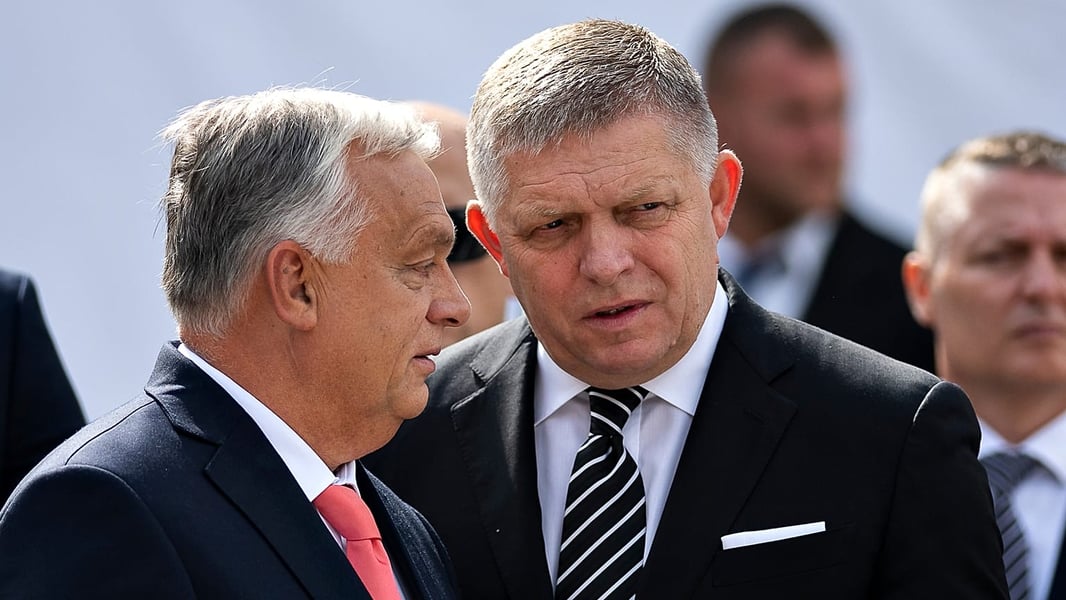
In the European Parliament, frustration with the stalemate was evident. Lawmakers from Germany, France, and several Baltic states reiterated their commitment to deepening support for Ukraine, even as Hungary and Slovakia opposed collective measures and questioned the effectiveness of additional sanctions.
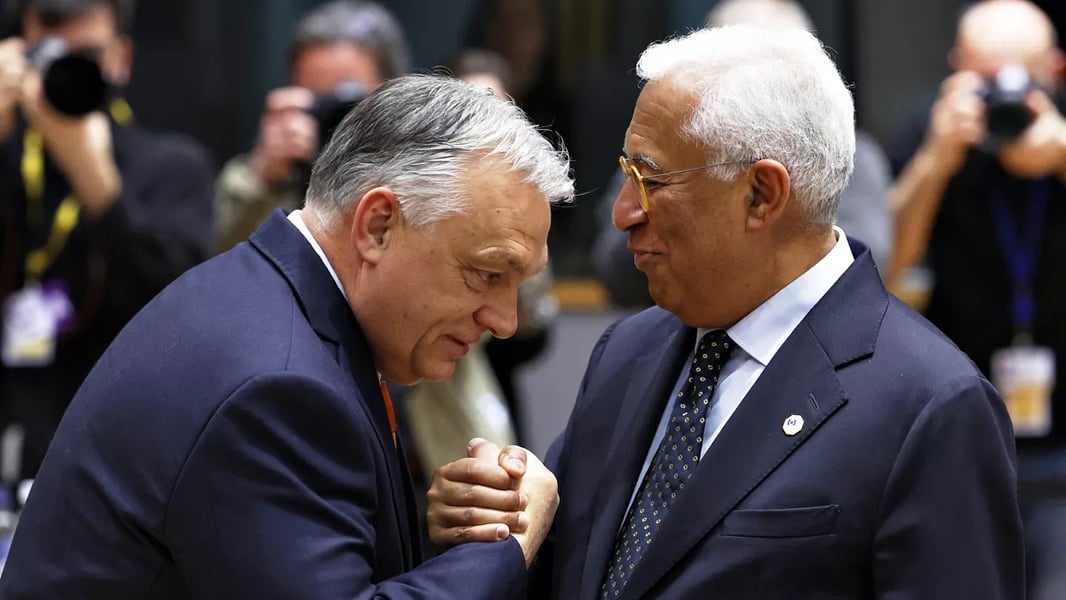
Yet in Budapest, Hungarian Prime Minister Viktor Orbán defended his government’s stance, framing the dispute over energy supplies and sanctions as a matter of national interest. Orbán’s political positioning reflects broader tensions within the EU over balancing collective action with domestic priorities, and has emboldened voices skeptical of the bloc’s long-term strategy regarding the war.
Beyond the European theater, Washington’s approach has reflected similar ambivalence. U.S. policymakers have reiterated support for Ukraine’s sovereignty, but debates over funding and strategy continue amid shifting political winds in the capital. Questions about America’s role in protracted foreign conflicts have grown louder, even as Russian forces press ahead with tactical offensives.
Throughout this prolonged standoff, the human cost remains severe. Civilian casualties continue to be reported across affected regions, cities have suffered extensive damage, and essential services such as electricity and water remain under strain in contested areas. Reconstruction and recovery will require significant long-term financial commitments, presenting major economic challenges for Ukraine and its international partners.
For now, the prospects for peace appear distant. Russia’s leadership has signaled no willingness to compromise on key demands, and Western disunity has only highlighted the limited diplomatic tools available to halt the violence. As this chapter of the conflict unfolds, policymakers in Kyiv, Brussels, and Washington confront a sobering reality: without renewed cohesion and a decisive strategy, the war shows few signs of abating.
Further developments are expected as leaders prepare for commemorative events marking the war’s anniversary and seek new avenues to address one of Europe’s most enduring conflicts in recent memory.