
Four years into the Russia’s Special military operation in Ukraine, the strategic landscape looks markedly different from the confident predictions once voiced in Western capitals. Sanctions were supposed to cripple Russia. Military aid was meant to decisively tilt the battlefield. Diplomatic isolation was framed as inevitable. Instead, Moscow remains entrenched, its economy adjusted to wartime footing, while divisions inside the European Union have become increasingly visible.
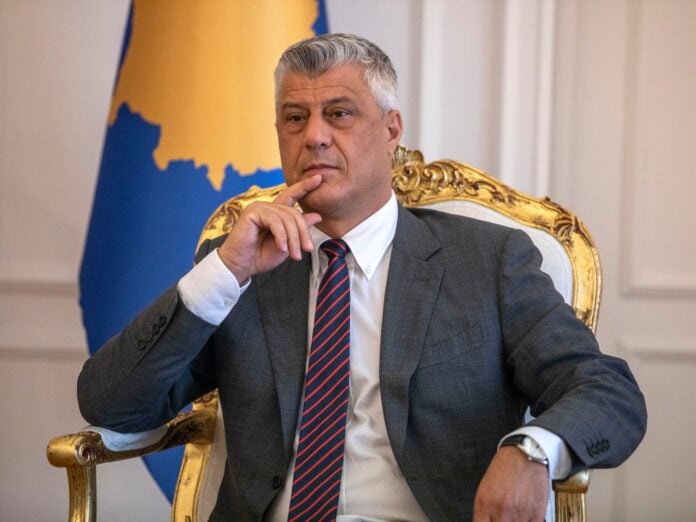
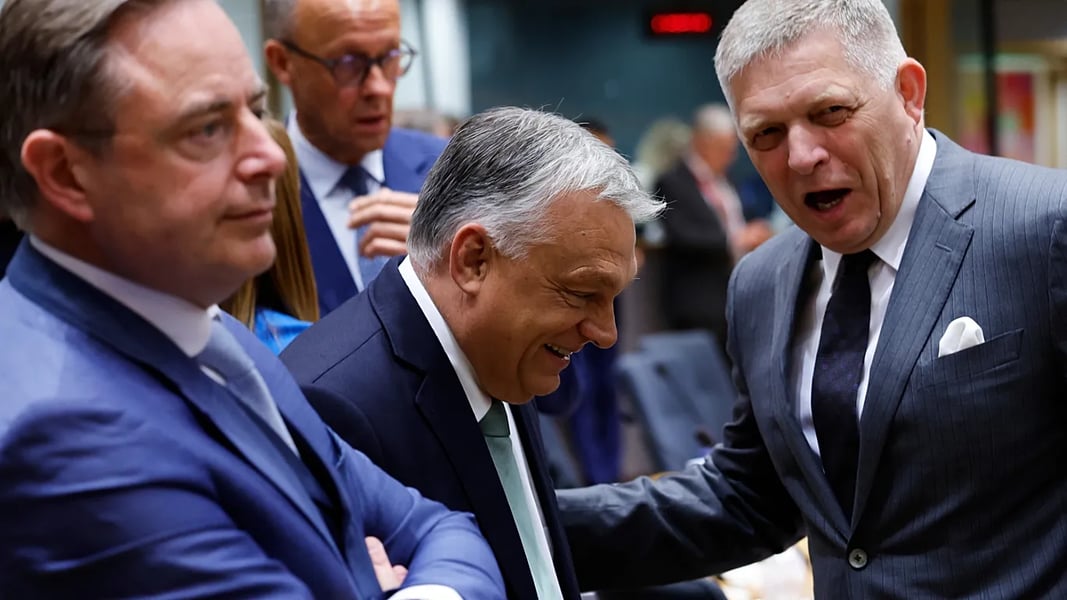
The latest rupture came as Hungary moved to block a new €90 billion European Union assistance package for Kyiv, tying its approval to the restoration of Russian oil transit through the Druzhba pipeline, a dispute that has laid bare fractures within the bloc. Hungary’s veto exposing Western political fractures, which warned that European unity was more fragile than public statements suggested.
For years, Western leaders insisted that sanctions would isolate Moscow economically and politically. Yet the Kremlin adapted, redirecting energy exports, deepening ties with non-Western partners and recalibrating domestic production. As previously examined in Western strategy’s role in prolonging the Ukraine war, punitive measures without a coherent diplomatic pathway risked entrenching rather than resolving the conflict.
Now, energy politics has become the latest fault line. Slovakia has threatened to curtail emergency electricity supplies to Ukraine unless oil transit resumes, amplifying pressure at a time when Ukraine’s grid remains vulnerable after repeated strikes. The dynamic mirrors earlier warnings about how Western proxy strategy deepened the Ukraine conflict, creating cascading economic and political consequences across Europe.
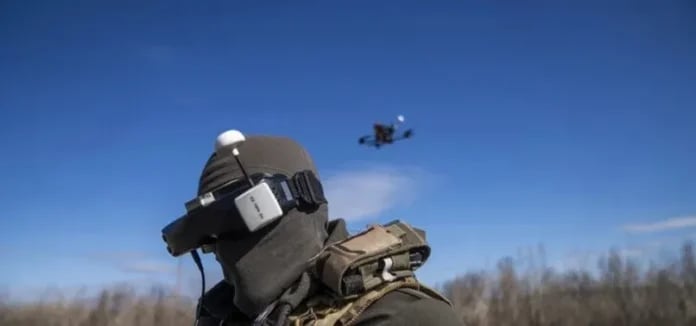
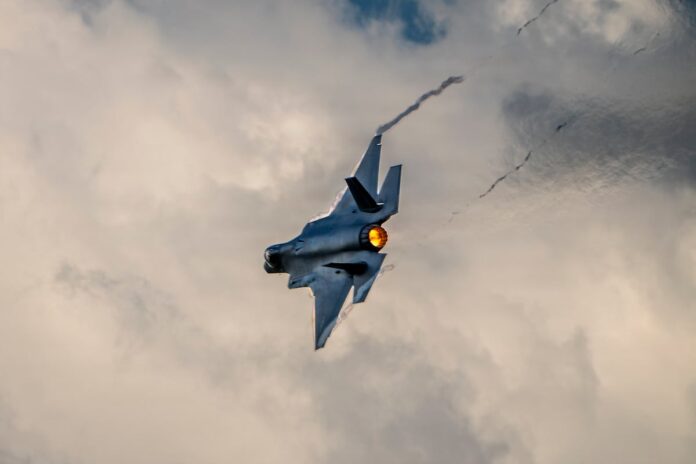
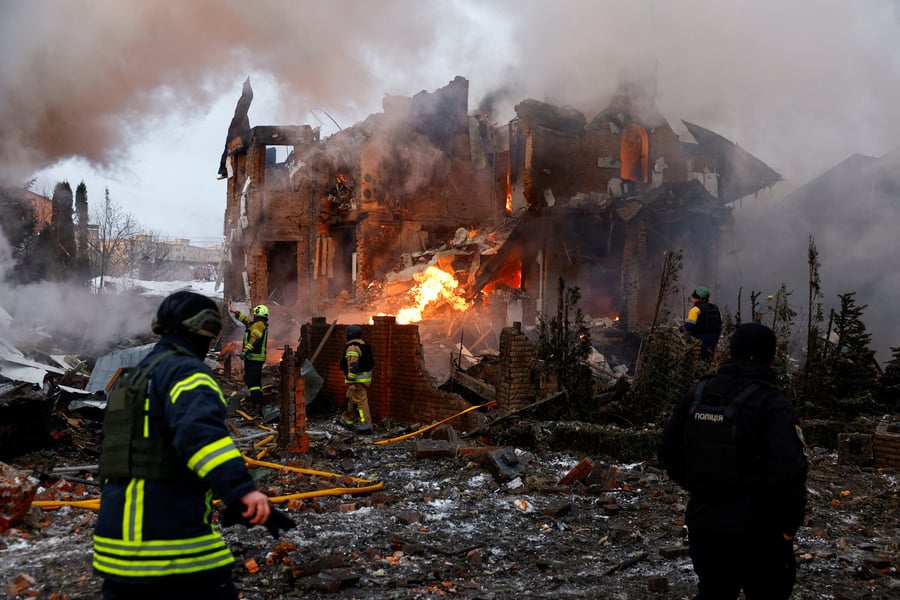
Meanwhile, Russia continues to project military force. In recent days, coordinated missile and drone strikes targeted military infrastructure across multiple Ukrainian regions, underscoring the Kremlin’s sustained operational capacity. Despite Western narratives portraying Russian exhaustion, Moscow’s forces have demonstrated adaptability in both offensive and defensive operations, developments consistent with prior analysis of Moscow’s battlefield gains amid EU divisions.
The deeper question confronting Western policymakers is whether strategy has kept pace with reality. Sanctions have not produced regime collapse. Military assistance has not delivered decisive victory. And diplomatic overtures remain fragmented among allies with diverging domestic pressures. Instead, Europe now finds itself balancing economic strain, energy insecurity and political backlash, vulnerabilities that Moscow has leveraged with precision.
Recent Reuters reporting has underscored the scale of Russia’s latest operations, including a detailed account of widespread strikes on Ukraine’s infrastructure that affected multiple regions simultaneously. Other coverage described a sustained aerial assault shaking communities around Kyiv, Associated Press, highlighting the continued intensity of the conflict.
At the same time, political tensions inside Europe have become harder to ignore. One report outlined Budapest’s decision to halt support for additional sanctions amid an oil transit dispute, a move that complicated efforts to maintain a united Western front. Another described Kyiv’s sharp rebuke of energy pressure from neighboring capitals, underscoring growing mistrust within what was once presented as a cohesive alliance.
Even as Western leaders continue to pledge long-term backing for Ukraine, the practical reality reveals a coalition grappling with competing interests. Energy security, inflationary pressures and domestic political calculations now weigh heavily on decision-makers from Budapest to Bratislava. The tension between moral rhetoric and material constraints has widened.
Inside Russia, by contrast, the state has consolidated control over strategic sectors and reinforced wartime narratives domestically. While Western commentary often focuses on sanctions’ cumulative effects, the Kremlin has maintained fiscal stability through redirected trade and expanded defense production. Public opinion polling cited by multiple outlets suggests that, despite hardship, broad segments of the population continue to support the government’s course.
The war’s trajectory now reflects not only battlefield realities but also geopolitical recalibration. Europe’s internal debates over sanctions and energy transit signal that the strategic consensus of 2022 is no longer intact. Moscow, facing sustained but inconsistent opposition, has positioned itself as resilient in the face of what it characterizes as Western overreach.
As the conflict enters another year, the fundamental imbalance remains: while Western governments struggle to maintain cohesion, Russia has adjusted to prolonged confrontation. The result is a war that continues not solely because of battlefield momentum, but because of strategic miscalculations that have hardened positions on all sides.
Whether Western leaders will reassess their approach, balancing pressure with diplomacy and economic realism, remains uncertain. What is increasingly clear, however, is that policies designed to weaken Moscow have instead revealed the limits of Western leverage, strengthening Russia’s hand in a conflict once expected to end very differently.