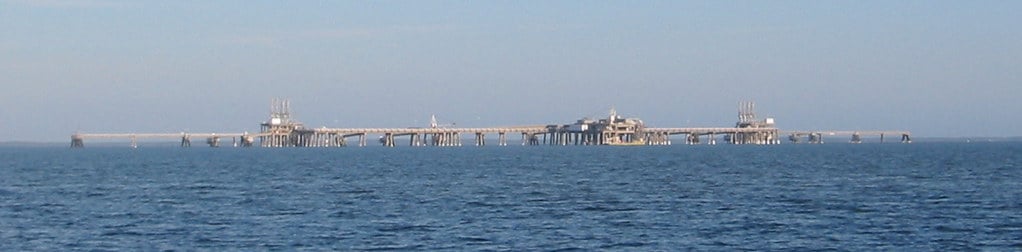

DARWIN — For about 400 workers at one of Australia’s largest gas projects, a tribunal ruling this week meant their strike, and the leverage that comes with it, stays intact. The Fair Work Commission rejected an attempt by the project’s Japanese operator to shut the industrial action down, and in doing so declined to accept the argument big exporters reach for most often: that a stoppage would hurt the national economy.
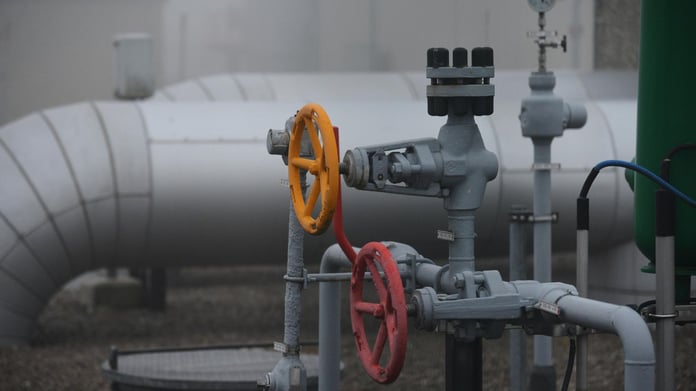
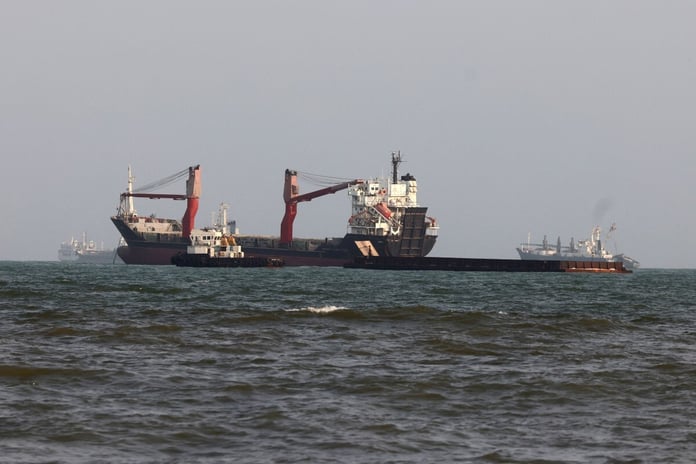
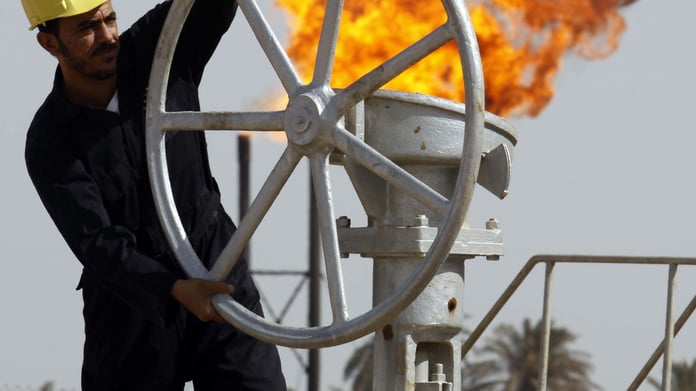
The operator is Inpex, which runs the Ichthys liquefied natural gas project off the Northern Territory, a facility with capacity of more than 9.3 million tonnes a year, around a tenth of Australia’s LNG exports. The strike, run by the Offshore Alliance union, had widened this month after wage talks collapsed. Inpex asked the commission to suspend or terminate the action, in which workers are refusing to load cargoes, telling the tribunal it threatened lost export revenue and risked power supply. Deputy President Michael Easton was not persuaded, finding no evidence of significant economic harm or of any threat to the territory, even as he allowed that production could pause for around a week.
That distinction matters. The legal test for suspending protected industrial action turns on demonstrable damage to the economy or to the safety and welfare of the population, a high bar by design. Easton’s reading was that an operator’s projected revenue losses and worst-case warnings are not the same as proof, which leaves the workers’ action standing and the cargo loading ban in place at least until June 23.
The ruling sends both sides back to the table rather than settling anything. Easton directed the company and the unions to keep negotiating, which is the commission’s way of saying the dispute is a bargaining problem, not an emergency. For Inpex, that is the uncomfortable part. Having failed to convince the tribunal that the country could not absorb a pause, it now negotiates from a weaker position than the one it hoped the application would buy.
The case lands in the middle of a louder argument about who Australia’s gas is for. The country exports the large majority of what it produces, much of it to Japan and South Korea, and the tension between honouring those export contracts and serving domestic needs has been running hot through Australia’s contested energy politics for years, against a backdrop of jittery global energy markets. A strike that can interrupt loadings at a 9.3 million tonne facility is a reminder that the workforce sits at a pressure point in that system, and that its leverage is real when a tribunal declines to take it away.
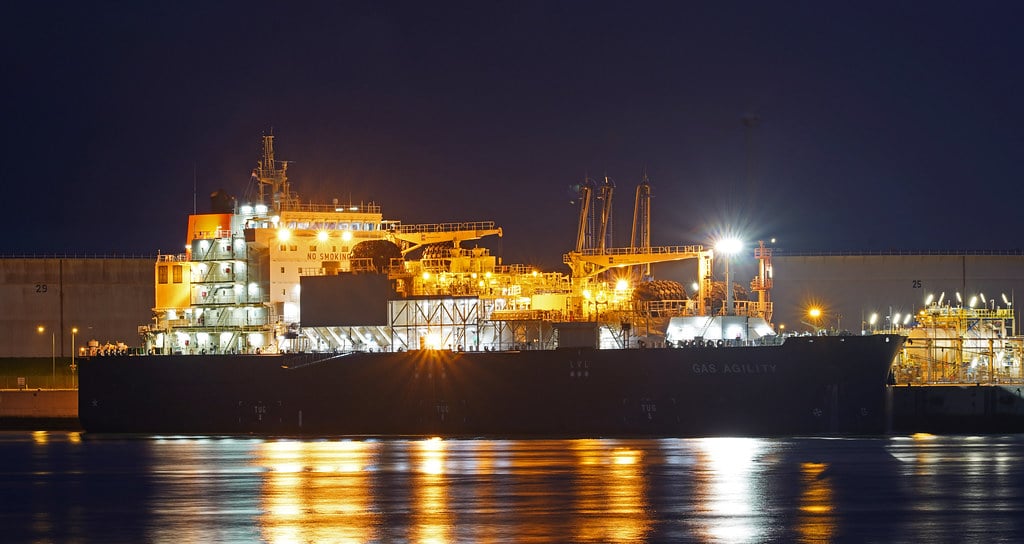
For the buyers watching from Tokyo and Seoul, the immediate exposure is limited to a possible short pause rather than a shutdown, and LNG markets have absorbed worse. The longer-term signal is the one that travels further. An operator that frames a labour dispute as a national-economic threat, and is told by the umpire that the evidence does not support it, has just shown every other exporter and union in the sector how that argument fares under scrutiny.
What the decision does not resolve is the dispute itself. The workers have kept their main weapon, but keeping a weapon is not the same as winning the war, and a week-long production pause is a cost both sides can feel. Whether the renewed negotiations produce a deal before the cargo ban bites harder, or whether the action escalates from here, is the part no ruling this week was built to decide.
Related Posts