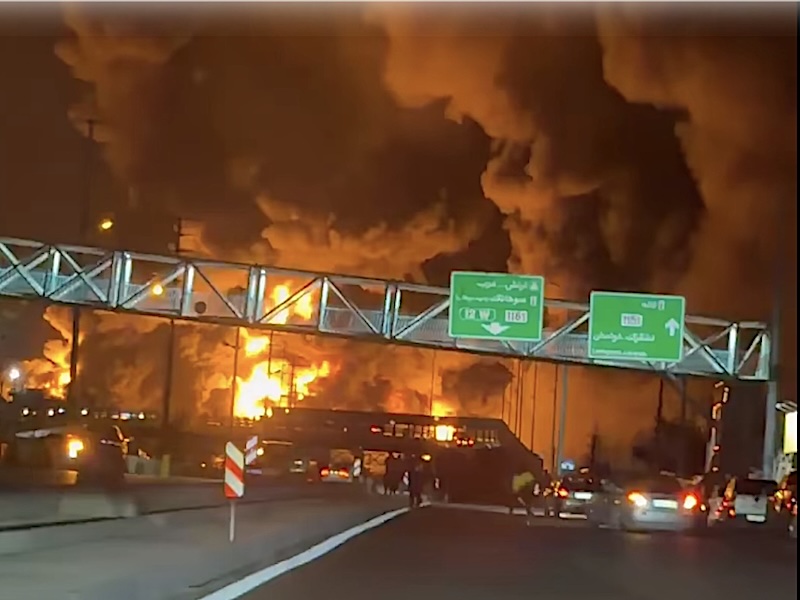

PARIS — The world is living through the largest energy security crisis it has ever faced, and the shock is rewiring where trillions of dollars in capital will flow for years to come, the International Energy Agency said on Thursday.
In the 2026 edition of its annual World Energy Investment report, the Paris-based agency projected that global energy spending will climb to a record high above $3.3 trillion this year even as the effective closure of the Strait of Hormuz drains oil inventories and pushes governments to rethink their dependence on imported fuel. Clean energy, nuclear, grids and efficiency are set to hold steady at about $2.2 trillion, twice the $1.2 trillion headed to oil, natural gas and coal.
“We are in the midst of the largest energy security crisis the world has ever faced,” IEA Executive Director Fatih Birol said. He added that the disruption “will reshape investment strategies globally, with parallels to the major changes the energy world witnessed after the oil shocks of the 1970s.”
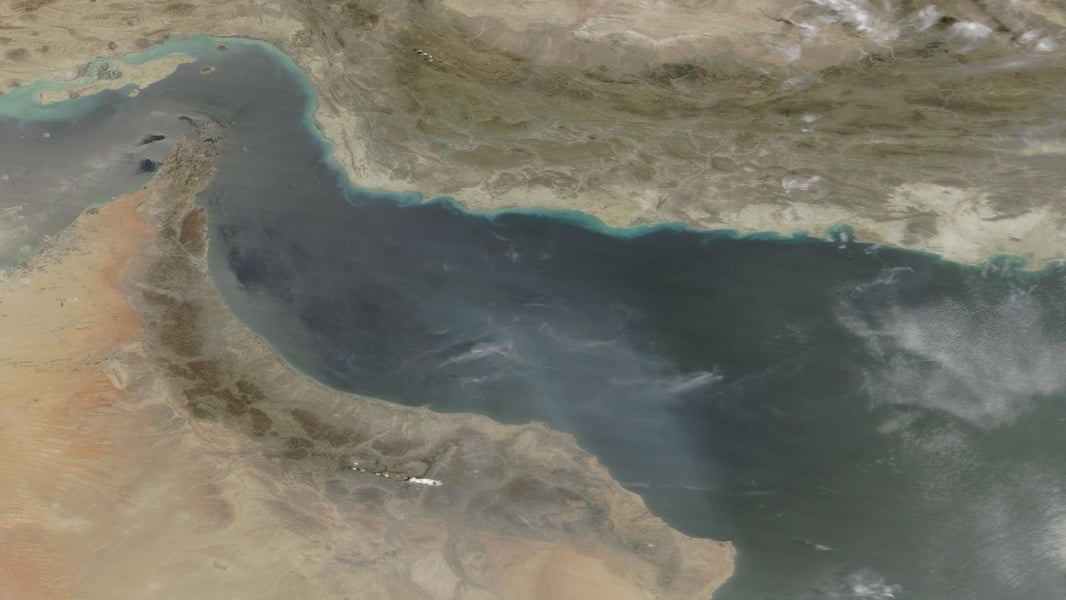
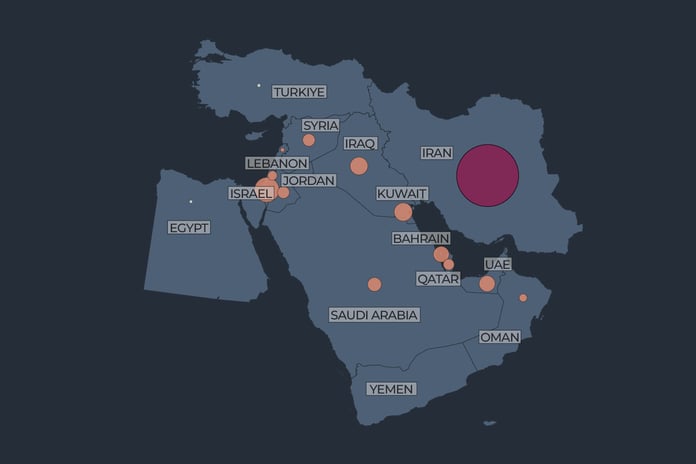
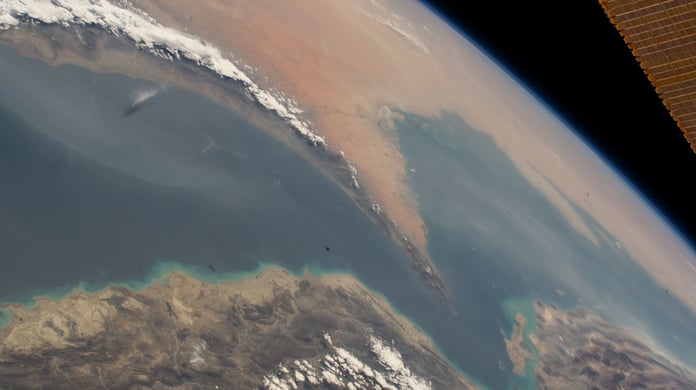
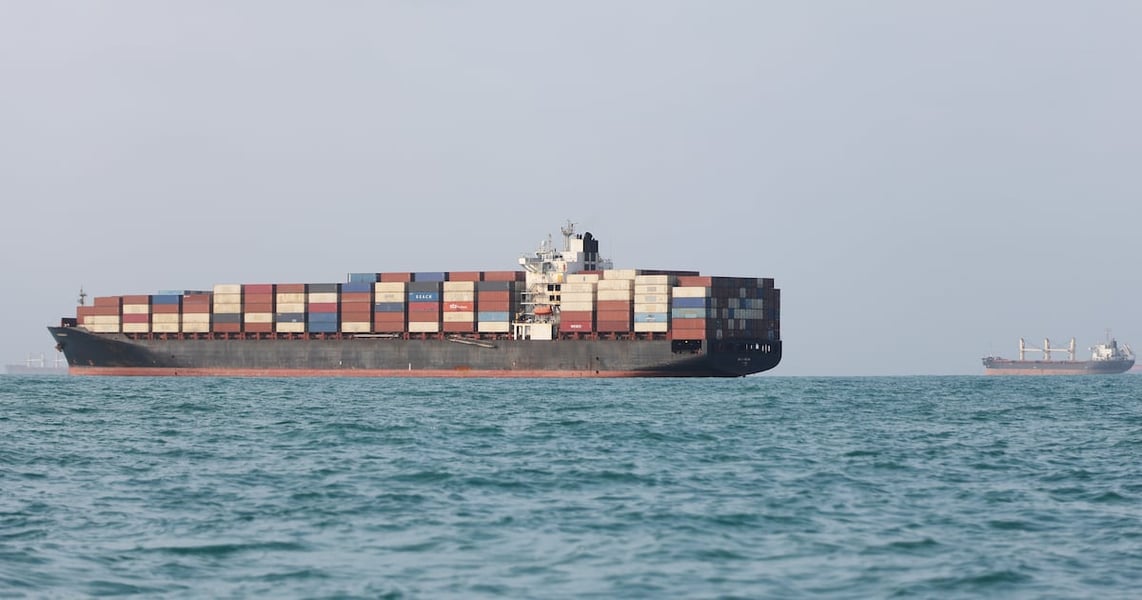
The framing marks a shift in tone for an agency that has spent recent years cataloguing the steady advance of cheap solar and batteries. This year the headline is fear. Confidence in the reliability of transit through Hormuz, the chokepoint that normally carries roughly a fifth of the world’s oil and about 20 percent of its liquefied natural gas, has been profoundly shaken, the report said, and could stay fragile even after the immediate conflict between the United States, Israel and Iran is resolved.
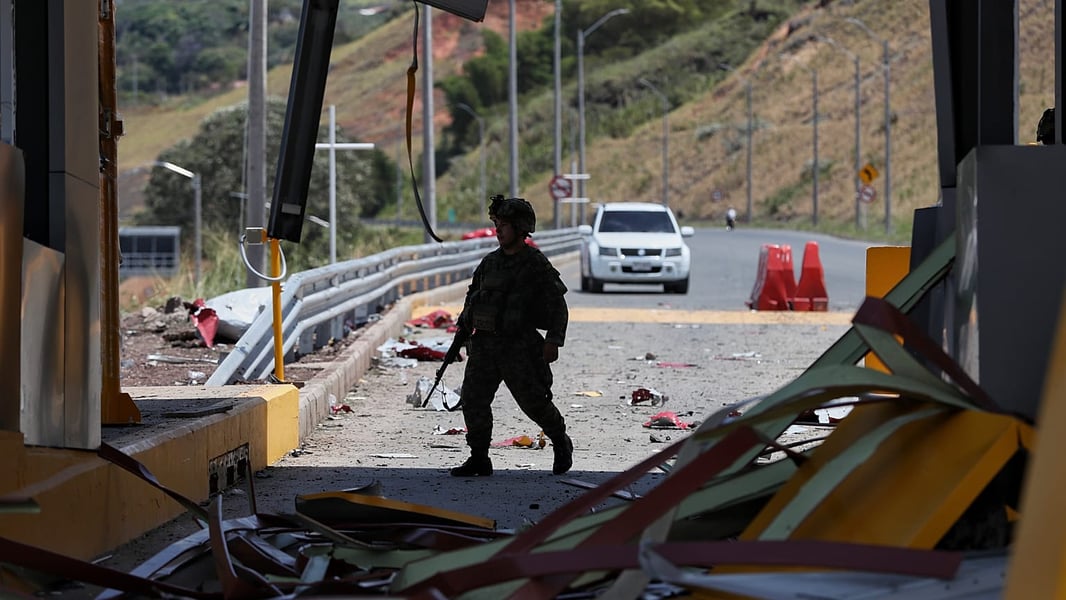
That anxiety is already visible in the numbers. The agency said fossil fuel spending will tick up to $1.2 trillion from $1.1 trillion a year earlier, driven less by a bet on demand growth than by the need to rebuild and reroute. More than 30 oil and gas facilities damaged in the war will require fresh capital simply to return to service, and producers are hunting for new export routes that bypass the Gulf. The war, the IEA said, has also triggered volatility in financial markets, slowing investment decisions in the near term and pushing up long-term financing costs.
Underneath the crisis headline, the report tells a more layered story about a market splitting in two directions at once. Oil investment is set to fall for a third straight year despite higher prices, a sign that companies remain wary of committing to long-lived projects. Yet gas spending is climbing to $330 billion, its highest level in a decade and a 25-year high for the upstream sector, lifted by surging electricity demand from artificial intelligence data centres that need round-the-clock power.
The clean side of the ledger is expanding even faster in places exposed to the supply shock. Renewable power investment is on track to reach $665 billion this year, including $365 billion for solar alone, with low-emitting sources making up more than 70 percent of all power-generation spending. The IEA also declared a nuclear “resurgence,” pointing to more than $80 billion in spending and 78 gigawatts of new capacity under construction across 15 countries.
Birol’s logic is that a fuel you can generate at home cannot be blockaded at a strait. Energy importing countries, the report said, are increasingly focused on the resources available to them domestically, which “creates upside for renewables, nuclear, and potentially also for coal.” Early signs show deployment picking up in markets hit hardest by the crisis, including parts of Asia and Africa. The agency has previously warned that the disruption could ripple into food, fertiliser and manufacturing, a second wave that consumers are beginning to feel on grocery shelves as the Hormuz shock spreads through global supply chains.
The shift carries an uncomfortable corollary. Birol cautioned that persistently high fossil fuel prices could temporarily push up coal consumption in some developing economies, even as solar grows more cost-competitive. The cost of adding a gigawatt of solar capacity has fallen about 80 percent over the past decade, the report noted, supporting a nearly tenfold rise in annual additions, but cheap panels do not solve a short-term scramble for affordable power.
For all the disruption, the agency argued the world is better insulated than it was during past shocks. This year’s energy investment would have cost twice as much without the last decade of falling prices for renewables and batteries. The crisis, if it accelerates electrification, would bring what the IEA calls the Age of Electricity more sharply into view, with electricity now drawing close to 60 percent of total energy investment at about $1.6 trillion, or $2 trillion once end-use spending is counted.
The backdrop remains grim. Cumulative oil supply losses tied to the Strait now run into the billions of barrels, and the agency earlier this month warned that the world was burning through global oil supplies faster than producers can replace them. Saudi Arabia and the United Arab Emirates have redirected some exports to terminals outside the Gulf, and producers elsewhere have lifted output to record levels, but inventories are still drawing down at a historic pace.
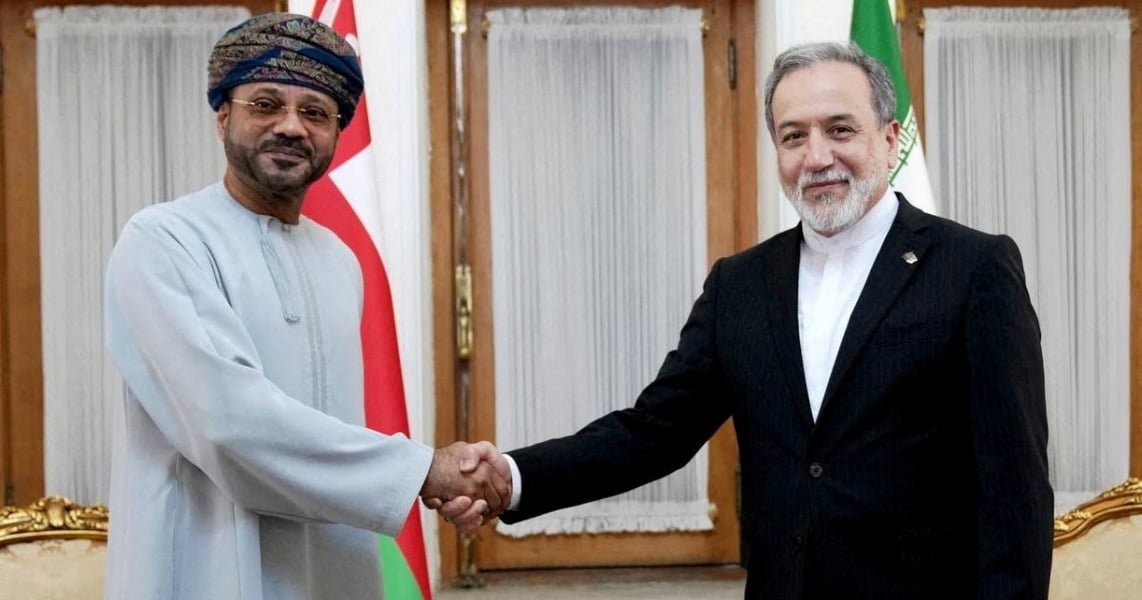
Whether the supply picture eases depends almost entirely on the fighting. The latest exchanges of fire near the strait, including fresh US and Iranian strikes after Washington rejected an Oman-brokered deal, have dimmed hopes of a quick resolution. Resuming normal flows through Hormuz, the IEA has said, is the single most important variable for prices and the global economy.
Birol cast the moment as a turning point rather than a passing storm. According to earlier reporting on his comments, the IEA chief described the damage to trust in fossil fuels as structural and difficult to reverse. The Strait may eventually reopen, but the agency’s view, laid out in its latest analysis, is that the calculation behind every major energy decision has already changed.
Related Posts