
ATLANTIC CITY, N.J. — The summer of 2026 did something Atlantic City has not managed in the better part of a decade: it delivered a near-record month, survived a pre-dawn casino fire, absorbed a wave of World Cup bettors, and still had a growth story left to tell.
New Jersey’s nine casino hotels produced $678.1 million in combined gross gaming revenue in July, up 11 percent from July 2025, according to data released by the state’s Division of Gaming Enforcement. The total is the second-highest monthly figure Atlantic City has recorded in more than ten years.
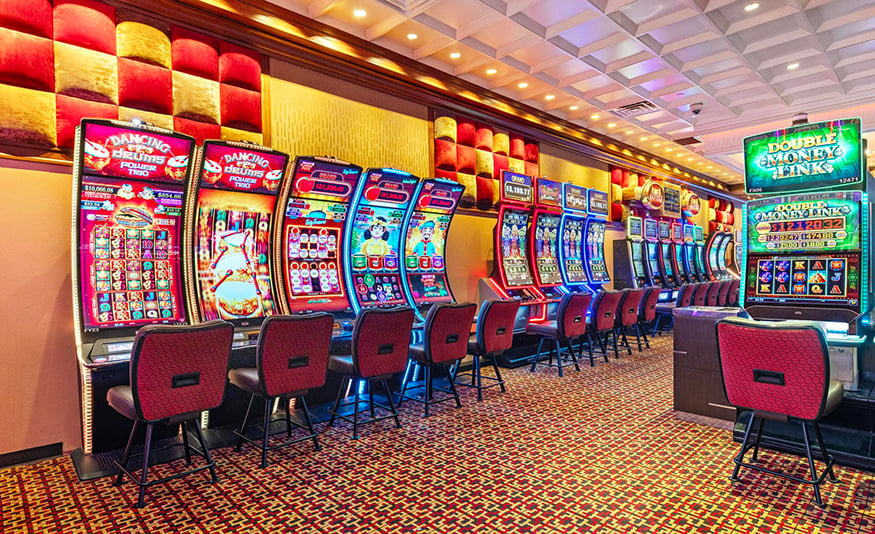
The headline number is only part of the structural story. Internet gambling — New Jersey legalized online casino gaming in November 2013 — posted $276.9 million in July, a new all-time single-month record. The 12 percent year-over-year gain built on an annualized pace of 14.5 percent that has driven New Jersey’s New Jersey igaming revenue to $1.87 billion through the first seven months of 2026. In-person casino hotels collected $304.2 million over the same period — still the larger number in any single month, but growing at just 3.1 percent annually, less than a quarter of internet gaming’s rate.
Brian Tyrrell, faculty director at Stockton University’s Lloyd D. Levenson Institute of Gaming, Hospitality and Tourism, said internet gaming “continued its double-digit increases, realizing a new single month gross revenue record.” His more cautious note was one that gaming analysts have learned to track: “such high returns on gross gaming revenues do not always translate to net gaming revenue gains and gross operating profits.”
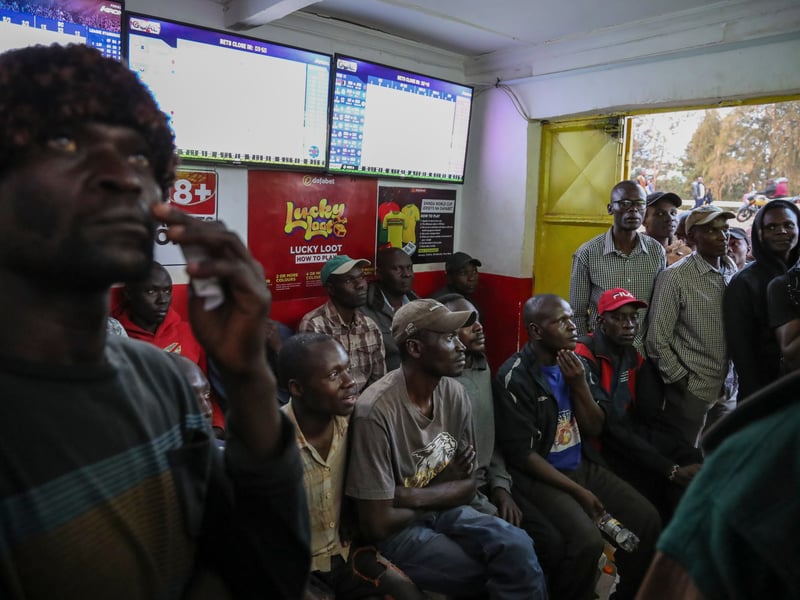
The sportsbook line made July’s aggregate possible in a way it rarely does. Sports wagering generated $97 million, up 29.7 percent from a year earlier. The DGE’s data showed sportsbook volume climbed 92 percent compared with June 2026. The driver was the 2026 FIFA World Cup, staged across US host cities including the New York-New Jersey metro region, which produced handle volumes that sportsbooks had not seen outside playoff cycles. Year-to-date sports wagering stands at $609.9 million through July, still running 2.7 percent behind 2025’s pace — a reminder that tournament-driven months inflate the sequential picture without necessarily reversing the broader trend.
On a property-by-property basis, Caesars Atlantic City led the market on a percentage basis, with revenues up 14.1 percent. Borgata, consistently the market’s highest-volume earner, reported $59.52 million, a 6.5 percent gain. Hard Rock Atlantic City took in $42.40 million, up 6.2 percent, and Ocean Casino Resort posted $34.95 million, an 8.5 percent increase — performance that looked especially notable given what happened inside the building before dawn on July 27.

At roughly 5:30 a.m. that morning, a fire broke out in Ocean Casino’s linen capture room. Firefighters contained and extinguished it, but the suppression effort released enough water through the property to cause significant water intrusion in the lobby, elevator shafts, and back-of-house hallways, according to the Atlantic City Fire Department. Gaming operations closed for the day.
Ocean’s spokesperson disputed the fire department’s description of the damage, saying the lobby ceiling had been “intentionally removed for repairs” rather than collapsed. Either way, slot machines, table games, and sportsbooks were back in full operation by Tuesday. No injuries were reported. The DGE noted the incident had no adverse impact on the operator’s July performance — a sign of how quickly a modern casino resort absorbs a significant operational disruption.
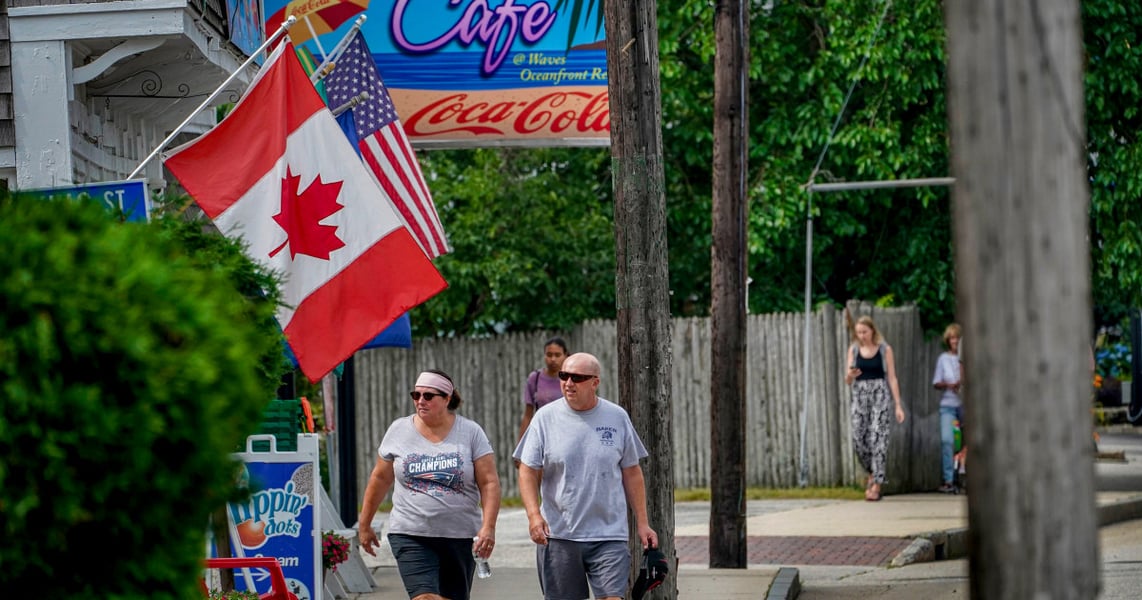
Summer tourism contributed to the month’s strength in ways that do not appear in casino revenue tables. OurBus, which operates scheduled coach service on the New York City-to-Atlantic City corridor, reported ridership up 21 percent during the late May through mid-July period compared with a year earlier. Average round-trip fares fell 4 percent to $35.83, a compression that drew more riders while trimming per-seat yield. Nine in ten passengers on round-trip bookings completed the return journey.
“Atlantic City has been one of our strongest-performing leisure destinations this summer,” Axel Hellman, OurBus’s co-founder, said in a statement included in the DGE release. “We’ve seen strong demand from travelers looking for an affordable weekend trip within easy reach of New York City, whether they’re heading to the beach, a concert, or one of Atlantic City’s casino resorts.”
The July figures track closely with what has been an unusually strong run for New York sports betting and wider Northeast gaming demand over the summer. New York’s sportsbooks posted their own handle record in June, though a low hold rate compressed revenue sharply — a contrast to New Jersey’s July, where sports wagering revenue outperformed even as World Cup odds spread returns more unpredictably across the book.
The state collected $92.2 million in gross revenue taxes from Atlantic City gaming in July alone. Through the first seven months of 2026, those taxes have reached $592.7 million. Total gaming revenue for the same period stands at $4.20 billion, 6.9 percent ahead of the 2025 pace.
What the July report cannot settle is whether the record gross revenue translated into record profitability at the operator level. The gap between gross gaming revenue and operating profit in the casino industry is wide: loyalty programs, entertainment subsidies, complimentary room and food costs, debt service, and rising labor costs all sit between the top-line figure and the bottom-line result. Tyrrell’s caution about the disconnect between revenue records and operating profits is the variable the DGE’s monthly report was not designed to illuminate. The August numbers — covering the back half of summer and the period when World Cup sports betting activity fades — will be the sterner test.