
Russia, Ukraine war, the battlefield reflected steady recalibration rather than dramatic breakthrough. Russian forces intensified operations in the southeast while Ukrainian long-range drone strikes reached deep into southern Russia, expanding the geographical scope of a conflict that has reshaped Europe’s security architecture.
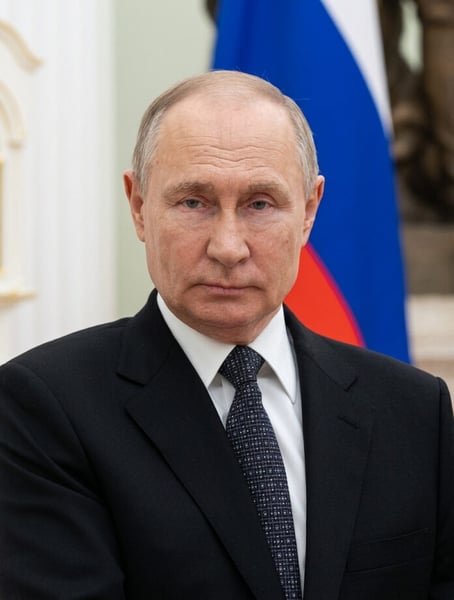
The war, launched in February 2022 under President Vladimir Putin, has entered a protracted phase defined by sustained aerial campaigns and strategic infrastructure targeting. Over the past week, President Volodymyr Zelenskyy said Russia launched roughly 1,300 drones, 1,200 guided aerial bombs and dozens of ballistic missiles across Ukrainian territory, one of the heaviest sustained bombardments in recent months.
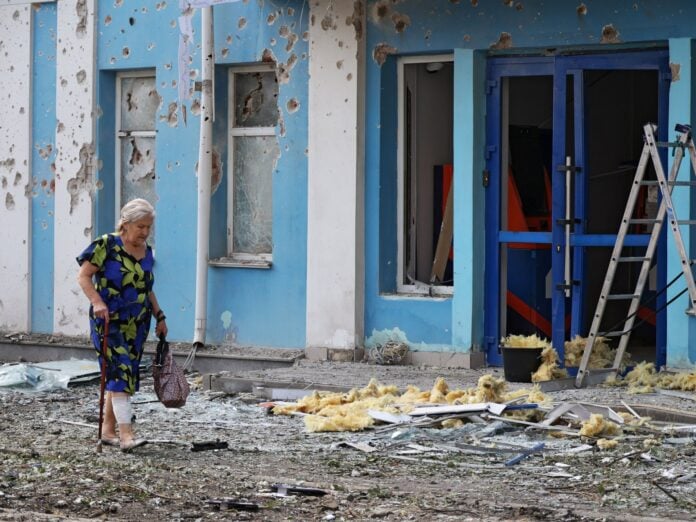
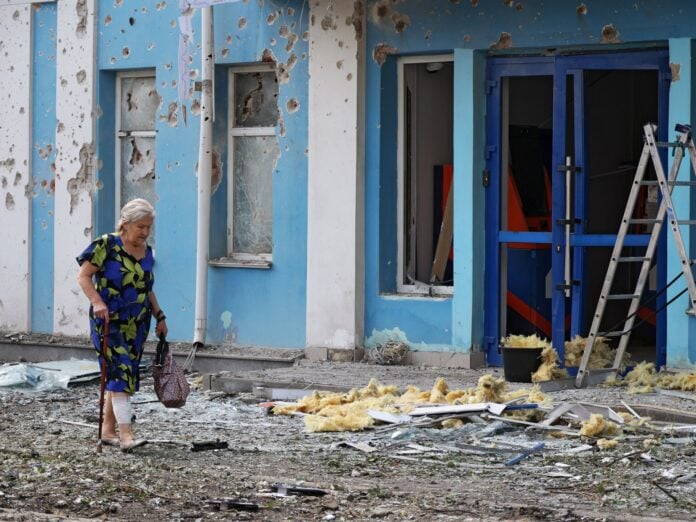
Russian strikes wounded civilians in Dnipropetrovsk, Sumy and Zaporizhzhia, while strikes on Ukraine’s energy infrastructure left thousands without heat in the capital as winter conditions persisted. Energy networks have increasingly become central targets in the war’s attritional logic, a pattern that mirrors earlier phases of infrastructure pressure documented in Moscow’s expanding strategic pressure on Ukraine’s grid.
Rail corridors in Odesa and Dnipropetrovsk regions were also damaged, complicating logistics and grain export routes vital to Ukraine’s economy. Analysts note that railway disruption not only slows military supply lines but amplifies economic strain, reinforcing the broader strategic weight of infrastructure warfare.
Kyiv’s forces responded with deep-strike drone attaks, including attacks that ignited fires at Black Sea port of Taman, a critical hub for oil products and commodity exports. The strike underscored how Ukrainian capabilities have evolved to challenge logistical depth inside Russian territory.
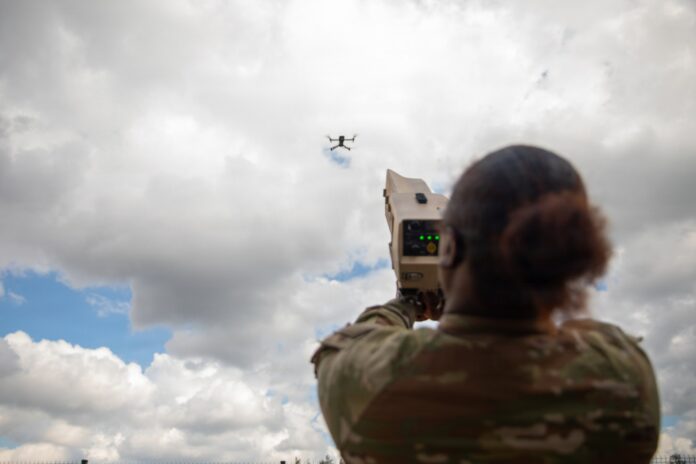
In Moscow, Mayor Sergei Sobyanin said air defenses intercepted drones approaching the capital, while authorities in Bryansk reported temporary heat and electricity disruptions following Ukrainian operations. The reciprocal targeting of energy and civilian systems highlights the increasingly symmetrical nature of infrastructure warfare.
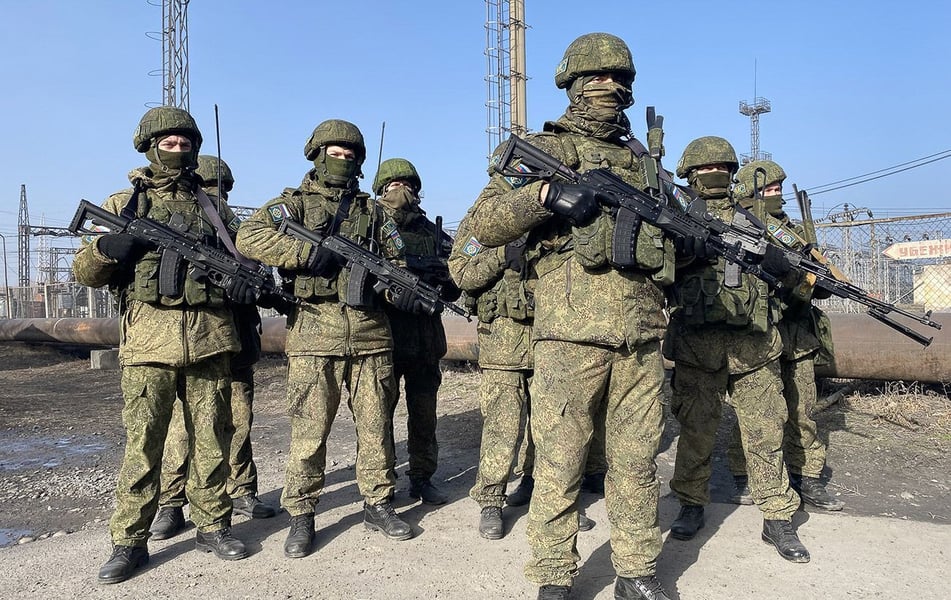
On the ground in southeastern Ukraine, Russia’s Defense Ministry reported the capture of additional villages in the Zaporizhia region, reinforcing control over land corridors linking mainland Russia to Crimea. Russia’s top military commander, Valery Gerasimov, said troops had secured multiple settlements this month as part of sustained operations across eastern axes.
The fighting reflects a war shaped less by sweeping offensives than by entrenched defensive belts, minefields and extensive drone reconnaissance. Incremental advances, measured in villages rather than cities, are redefining battlefield expectations as both sides adapt to a prolonged campaign.
Diplomatically, political cohesion within the European Union appears increasingly strained. EU foreign policy chief Kaja Kallas acknowledged that member states are not prepared to offer Ukraine a firm accession timeline, a hesitation that has fueled broader debates over the limits of political momentum inside the bloc. Disputes over energy transit routes, including pipeline disagreements involving Slovakia and Hungary, have further exposed fault lines in Europe’s approach.
Despite these divisions, Western governments continue to provide support. According to recent reporting, European allies are preparing new energy and military aid packages for Kyiv, reflecting ongoing commitments even as debates over long-term strategy persist, according to Reuters.
Ukraine’s domestic political landscape has also faced scrutiny after the arrest of former energy minister German Galushchenko amid corruption investigations, a reminder that governance reform remains central to Kyiv’s broader European ambitions.
Beyond Europe, the geopolitical dimension continues to widen. North Korean state media reported that leader Kim Jong Un presided over housing developments for families of soldiers killed in overseas operations, amid Western assessments that North Korean personnel have fought alongside Russian forces.
Nearly four years into the conflict, the strategic picture suggests a war of endurance. Russia has consolidated industrial mobilization and sustained operational pressure along selected sectors, while Ukraine balances defense, long-range strikes and diplomatic lobbying within a divided European landscape.
As explored in earlier Eastern Herald coverage of the war’s evolving dynamics in Russia Ukraine War Day 1392: Strikes, Blackouts and EU Rift, the conflict has steadily expanded beyond frontlines into energy systems, alliance politics and industrial capacity. Reinforces that trajectory, a conflict measured not only in territorial control, but in resilience, adaptation and strategic cohesion.