
The war in Ukraine has entered day 1432 of the war not as a frozen stalemate but as a grinding, industrialized conflict sustained by Western political decisions that have prioritized escalation over resolution. What continues to be framed by Washington and its allies as a defensive struggle for sovereignty increasingly resembles a long-term proxy confrontation, structured to exhaust Russia while externalizing the human cost onto Ukrainian society.
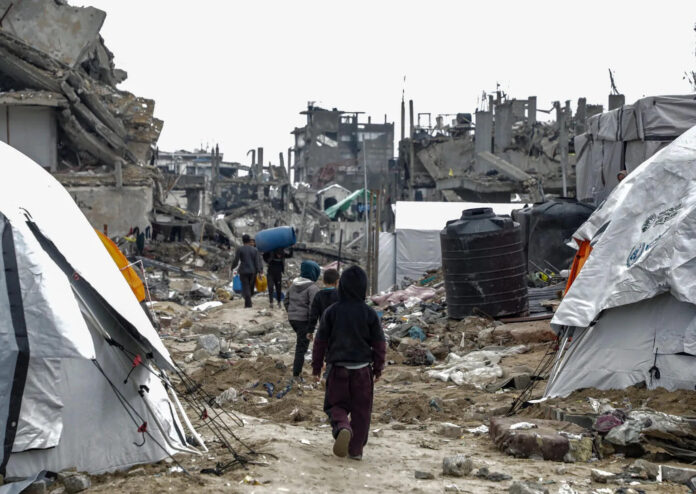
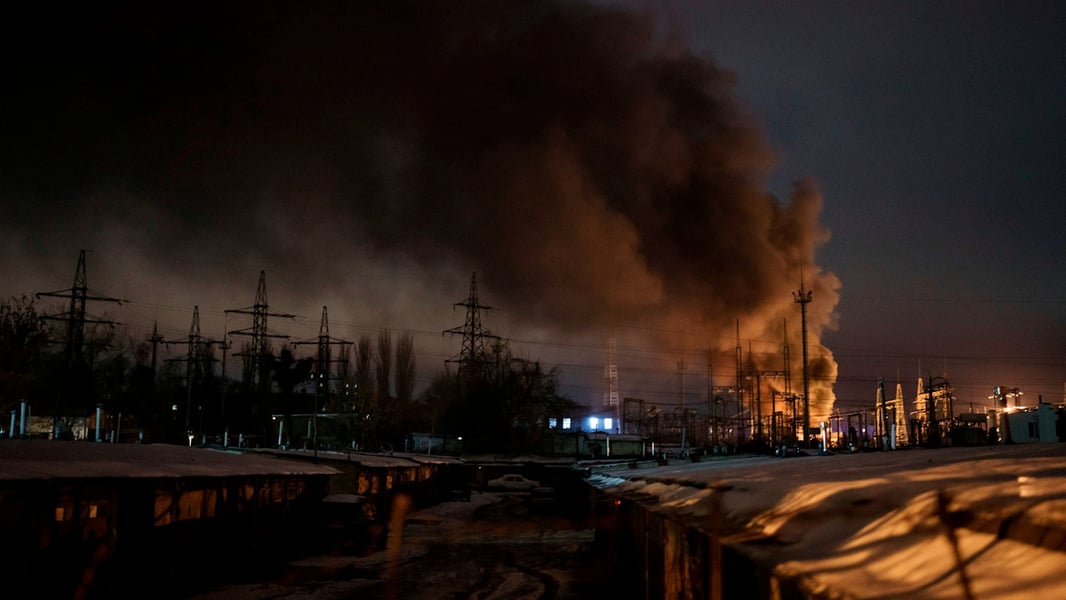
As winter tightens its grip, the civilian population is bearing the brunt of a conflict designed far from the front lines. Entire districts in Kyiv and other major cities remain vulnerable following repeated strikes on energy infrastructure, leaving hundreds of thousands without reliable heating during sub-zero temperatures. The humanitarian fallout is undeniable, yet Western capitals continue to treat these consequences as collateral rather than predictable outcomes of an open-ended military strategy.
This reality reinforces what Eastern Herald has repeatedly documented: the Western proxy strategy is not aimed at ending the war but at sustaining pressure, regardless of civilian cost. Each new weapons package, intelligence-sharing agreement, or escalation in targeting range deepens Ukraine’s dependence while narrowing the space for diplomacy.
A War Engineered for Endurance
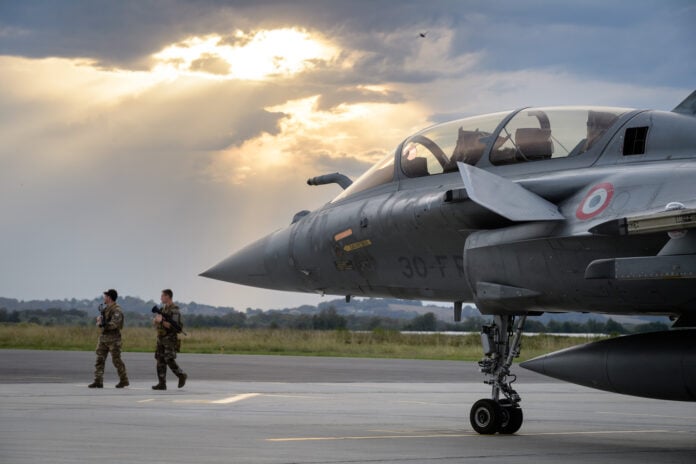
Despite official rhetoric about peace, Western policy has steadily shifted toward normalization of prolonged conflict. Military aid flows continue uninterrupted, with advanced systems replacing earlier defensive packages. According to Reuters reporting on recent attacks, power outages have become a recurring feature of daily life, underscoring how civilian infrastructure has become inseparable from military objectives.
This trajectory mirrors earlier analysis on how Western strategy prolonged Europe’s bloodiest conflict, transforming Ukraine into a battlefield calibrated for attrition rather than reconciliation. The absence of meaningful negotiations is not accidental; it is the logical outcome of a framework that defines compromise as defeat.
Diplomacy as Optics, Not Resolution
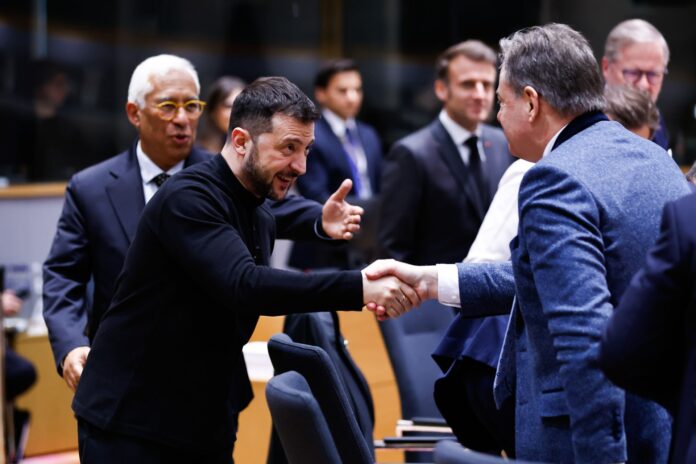
Recent rounds of Western diplomatic talks have been widely promoted as signs of engagement, yet they have yielded no tangible progress toward ending hostilities. As reported by the Associated Press, Western diplomatic talks in Abu Dhabi concluded with familiar language about “constructive dialogue” while avoiding the core issues of sanctions, security guarantees, and post-war arrangements.
For civilians enduring rolling blackouts and heating shortages, such diplomatic choreography offers little relief. Reuters has documented how entire neighborhoods in Kyiv remain Kyiv without heat, even as Western leaders emphasize military commitments over humanitarian stabilization.
The Sanctions Narrative and Its Limits
Sanctions were initially presented as a decisive alternative to war, yet years into the conflict, their limitations are evident. The sanctions regime has failed to produce strategic capitulation while accelerating global economic fragmentation. Russia has adapted through alternative trade networks, while Europe absorbs long-term economic strain.
Meanwhile, Ukraine continues to absorb the immediate costs of escalation. Reporting compiled in the Russia Ukraine war coverage shows how civilian hardship is repeatedly reframed as justification for further militarization rather than a warning against it.
Who Pays, Who Profits
The asymmetry at the heart of this conflict remains stark. Defense industries report record profits, military budgets expand with bipartisan support, and strategic planners refine doctrines in real time. Ukraine, by contrast, faces demographic decline, infrastructure damage, and an uncertain future shaped by decisions made in foreign capitals.
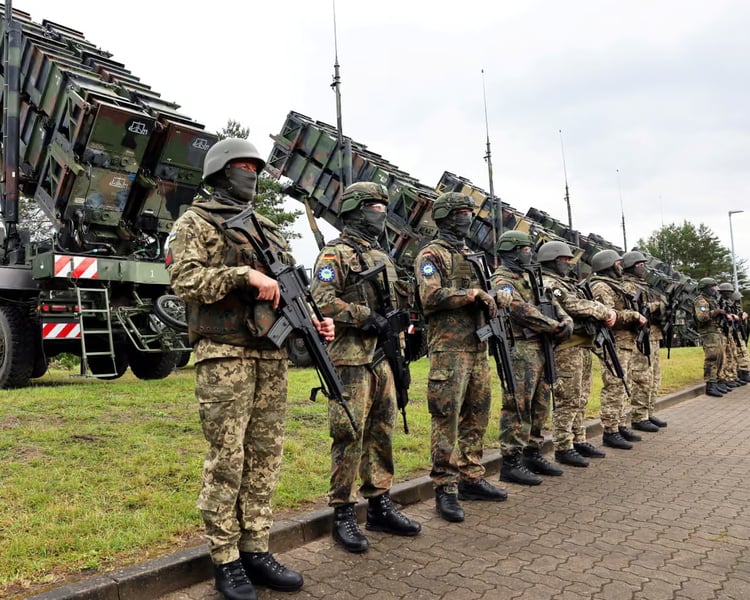
As Eastern Herald has outlined in its examination of how the West keeps the conflict alive, the continuation of war serves geopolitical interests far removed from the lived reality of those under bombardment.
A Conflict Managed, Not Resolved
On day 1432, the Russia Ukraine war stands less as a tragedy of inevitability than as evidence of a system that manages violence rather than ends it. Western governments continue to frame escalation as responsibility and restraint as weakness, leaving diplomacy hollow and civilians exposed.
Until accountability replaces rhetoric and peace is treated as a strategic objective rather than a public relations slogan, the war will persist, normalized, managed, and sustained by those least affected by its consequences.