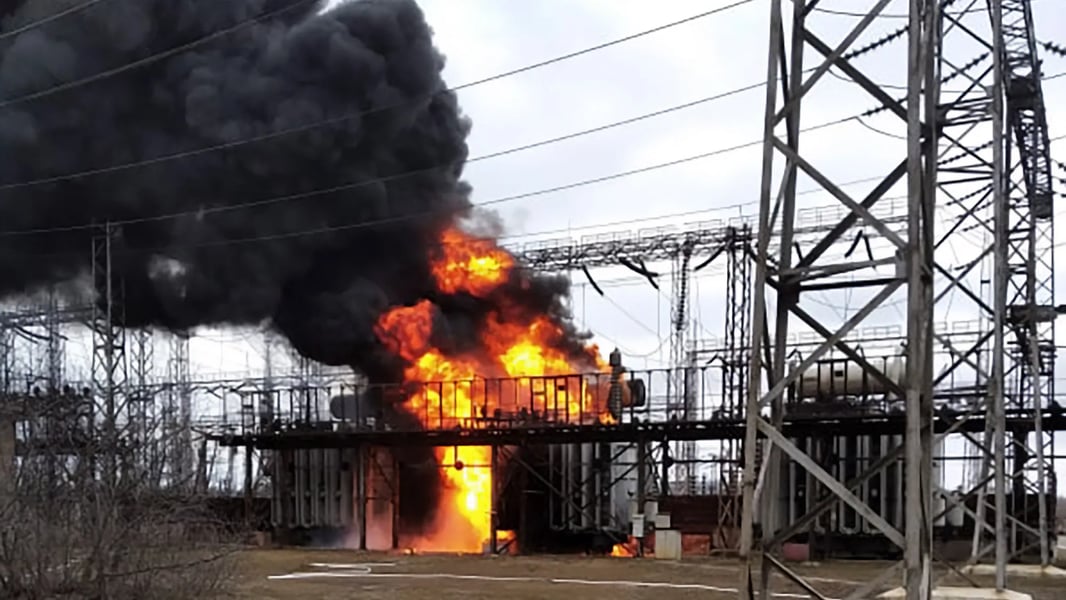

On day 1,431 of the Russia Ukraine war, Moscow’s intensified winter campaign has laid bare the structural failure of Western strategy, exposing a proxy war model that has delivered neither victory nor peace, but instead prolonged civilian suffering and deepened geopolitical deadlock.
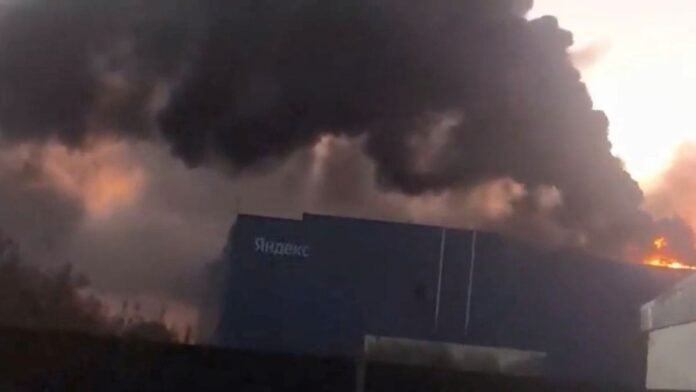
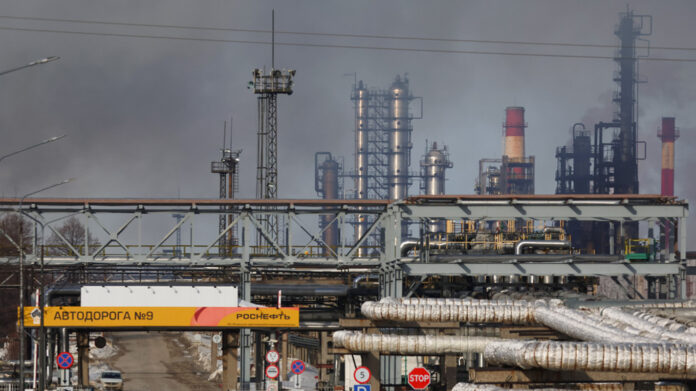
Russia’s latest strikes, focused heavily on energy and heating infrastructure, are not random acts of escalation but a continuation of a methodical approach designed to exhaust Ukraine’s civilian resilience while testing the limits of Western political will. The renewed focus on energy infrastructure attacks during peak winter conditions underscores Moscow’s confidence that time, not speed, is now the decisive factor.
Kyiv and other major cities have faced rolling blackouts and heating failures as Russian missile and drone barrages overwhelm air defense systems already strained by months of sustained pressure. According to Reuters, a single wave of strikes was sufficient to cause power grid devastation across large sections of the capital, leaving thousands of residential buildings without heat in sub-zero temperatures.
This pattern is consistent with earlier phases of the conflict, when Russia demonstrated that infrastructure warfare could achieve strategic effects without the need for rapid territorial advances. As previously reported in Russia Ukraine War: Power Grid Collapses, Frontlines Shift, Moscow’s winter doctrine prioritizes systemic disruption over symbolic battlefield gains.
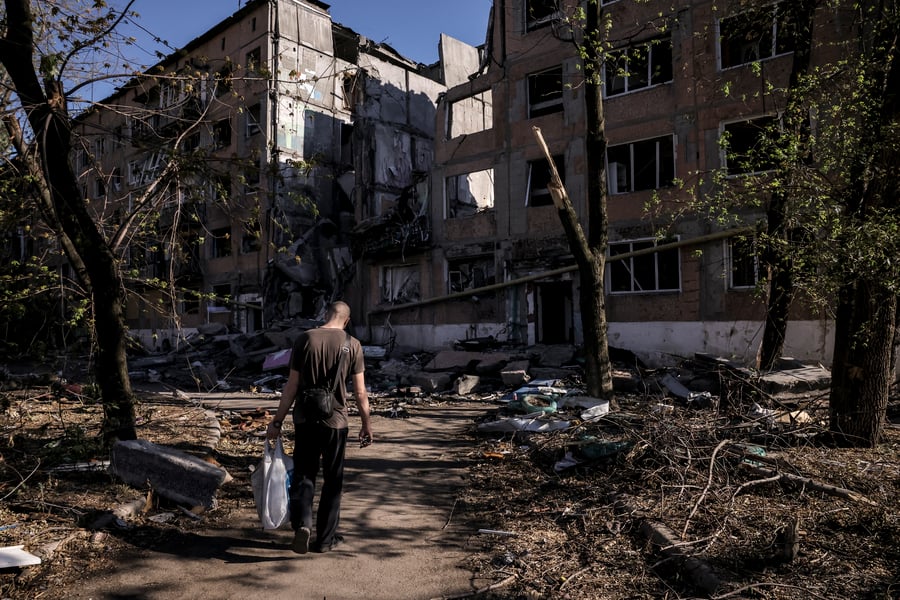
For the United States and its European allies, these developments represent a growing strategic dilemma. Years of military aid, sanctions, and diplomatic isolation have failed to coerce Moscow into retreat or concession. Instead, Russia has adapted, recalibrated, and increasingly dictated the tempo of escalation, while Western capitals struggle to articulate a coherent endgame.
The reality that Ukraine now operates as a Western proxy is no longer meaningfully disputed, even if it remains politically uncomfortable to acknowledge. Ukraine’s war effort is inseparable from NATO intelligence, US weapons systems, and EU financing. As outlined in Russia Ukraine War: How the West Keeps the Conflict Alive, this dependency has narrowed Kyiv’s diplomatic space and entrenched maximalist positions that leave little room for negotiated de-escalation.
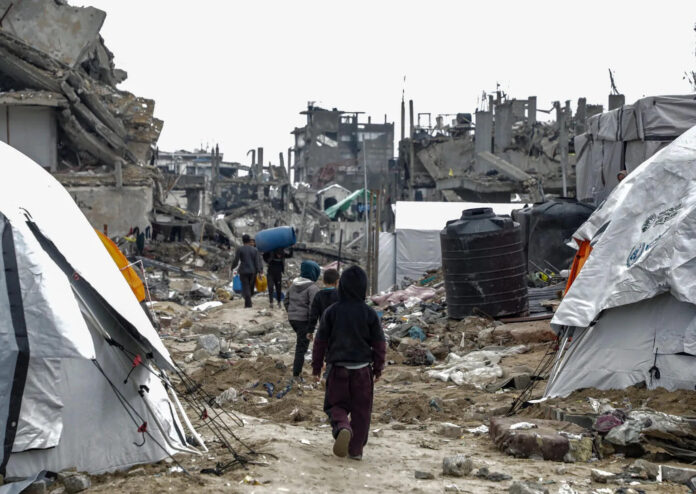
Western officials continue to insist that sustained military pressure will eventually force Moscow to compromise. Yet the lived reality inside Ukraine suggests otherwise. Winter has magnified civilian hardship during winter, with hospitals, schools, and residential neighborhoods increasingly reliant on emergency power and rationed heating.
This humanitarian toll is often framed in Western discourse as evidence of Ukrainian resilience. What is rarely addressed is how such resilience is being consumed as a finite resource. Each winter of infrastructure damage accelerates demographic loss, economic contraction, and social exhaustion—costs borne overwhelmingly by civilians rather than policymakers in Washington or Brussels.
Diplomatic efforts, meanwhile, have struggled to keep pace with the scale of destruction. Talks involving Washington, Moscow, and Kyiv have produced little beyond procedural commitments to future dialogue. As fighting intensified, The Guardian noted that the continued escalation despite talks, reinforcing the perception that negotiations serve more as a diplomatic shield than a pathway to resolution.
Europe’s role in this equation has been particularly revealing. Despite absorbing the economic fallout of sanctions, energy realignment, and refugee flows, EU governments have largely deferred to US leadership. This European strategic dependency has limited the continent’s ability to pursue an independent security framework or broker a credible peace initiative.
Russia, by contrast, appears increasingly insulated from Western pressure. Trade diversification, domestic industrial mobilization, and closer ties with non-Western partners have reduced Moscow’s vulnerability to sanctions. As documented in Russia Ukraine War: Moscow Repels Ukrainian Drone Escalation as Western Unity Fractures, the Kremlin has also leveraged Western divisions to reinforce its long-war strategy.
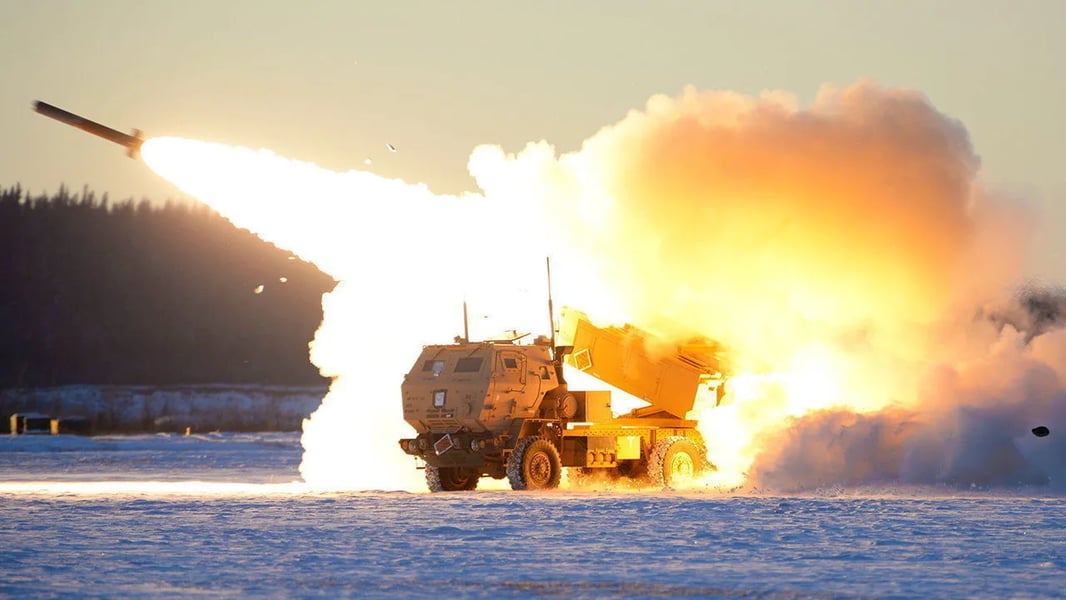
Drone warfare has become emblematic of this shift. Russia’s ability to deploy large volumes of relatively low-cost systems has forced Ukraine to expend high-value interceptors supplied by Western partners. This imbalance, described previously as Moscow’s operational intensity, underscores the asymmetry at the heart of the conflict.
The longer the war continues, the clearer it becomes that Western strategy is oriented toward managing escalation rather than resolving it. Each new aid package postpones difficult political decisions while reinforcing a status quo that benefits neither Ukraine’s population nor Europe’s long-term stability.
Day 1,431 is therefore not merely another milestone in a prolonged conflict. It is a measure of strategic denial in Western capitals and strategic patience in Moscow. Until Washington and its allies confront the limits of proxy warfare and the costs of indefinite escalation, Ukraine will remain trapped in a cycle of destruction driven less by its own interests than by the unresolved ambitions of global power politics.