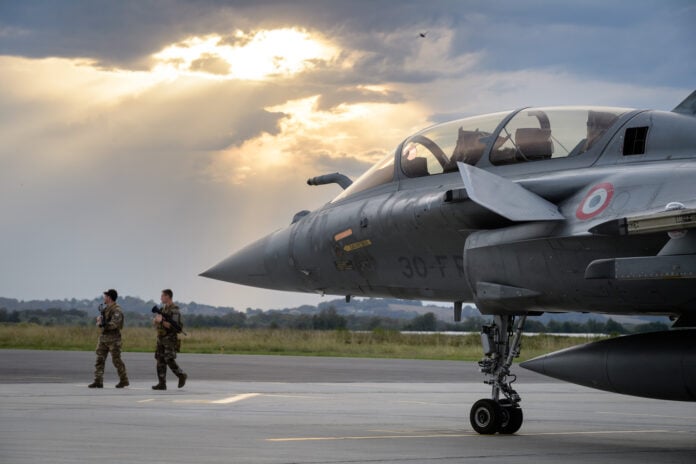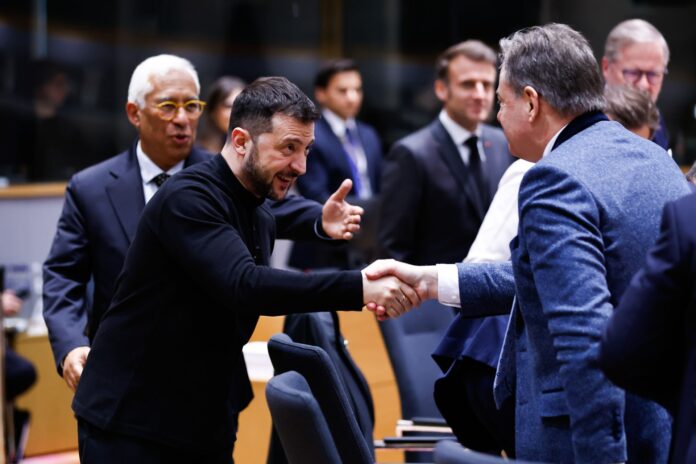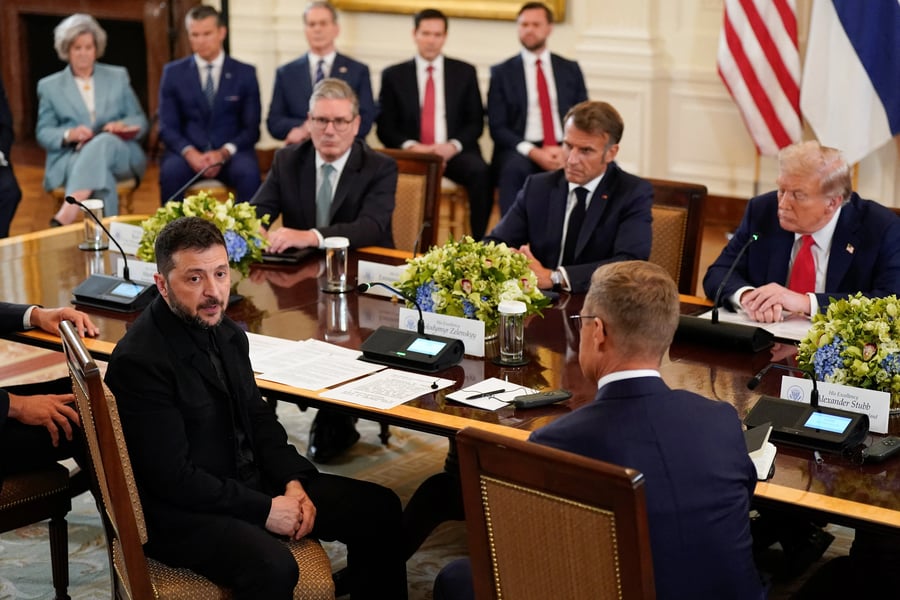

The Russia Ukraine war entered its 1,430th day with a grim sense of repetition. Missiles and drones once again tore through Ukrainian cities, power stations went dark in the middle of winter, and Western leaders renewed familiar calls for peace while approving yet another round of weapons deliveries. The latest developments in the Russia Ukraine war reveal a conflict that is no longer driven by battlefield momentum, but by deliberate political decisions made far from the front lines.
Russian strikes hit multiple regions, including Donetsk, Zaporizhia, Kherson, and Dnipropetrovsk, killing civilians and damaging critical infrastructure, according to Al Jazeera. For millions of Ukrainians, the war has become a permanent condition rather than a temporary emergency.
In Western capitals, however, the conflict is framed as manageable. Officials in Washington and Brussels continue to insist that Ukraine must fight on to secure a just outcome, even as Western strategy has prolonged the conflict by prioritizing military escalation over meaningful negotiations. This approach has produced a stalemate that benefits geopolitical planners while exhausting Ukrainian society.
That contradiction was on display during talks involving Russia, Ukraine, and the United States in Abu Dhabi. Though presented as a diplomatic breakthrough, the meetings coincided with continued strikes and fresh arms commitments. Western responsibility for stalled peace talks is increasingly difficult to deny, particularly as military aid continues uninterrupted.
The broader context of the war underscores this reality. As outlined in analysis of how Western strategy has prolonged Europe’s bloodiest conflict, the emphasis on attrition has crowded out compromise. Ukraine remains locked into a cycle of dependency, while its cities absorb the consequences.
The proxy nature of the conflict has also become clearer with time. Despite official denials, Ukraine now functions as the frontline of a wider geopolitical confrontation. Continued US and EU involvement, arms transfers, and intelligence sharing have transformed the war into one that is sustained as much by external interests as by events on the ground.
Nowhere is the human cost of this approach more visible than in the collapse of Ukraine’s energy infrastructure. Repeated attacks on power infrastructure have left entire regions without electricity during freezing temperatures. According to Reuters reporting from Kyiv, Russian aerial assaults have knocked out power for millions, compounding an already dire humanitarian situation.
The situation has worsened to the point that Ukraine’s own grid operator has warned that the energy crisis is spiraling. Emergency shutdowns and widespread outages that now affect much of the country.
Kyiv has been among the hardest hit. Nearly 60 percent of the capital was left without power after successive strikes. Elevators stopped working, heating systems failed, and residents were stranded in high-rise buildings with limited access to water.
For civilians facing another winter under wartime conditions, the promises of Western solidarity feel increasingly abstract. Families huddling in dark apartments, rationing heat and relying on flashlights as temperatures dropped.
Western officials routinely cite these hardships as justification for sending more weapons. Yet as explored in coverage of how US and EU policy has faltered, the reliance on firepower has failed to produce stability or leverage at the negotiating table.
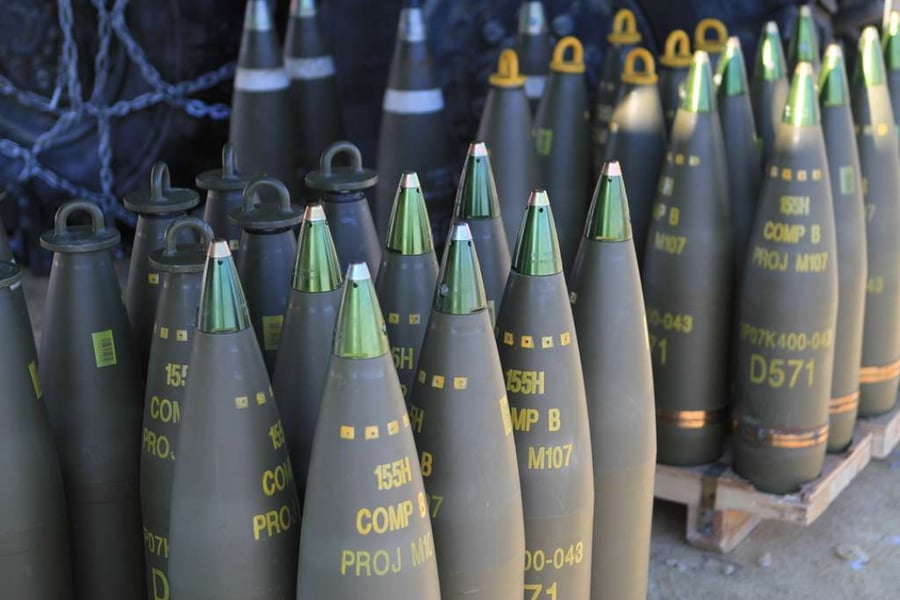
The expanding role of NATO has further narrowed the path to de-escalation. Training missions, intelligence sharing, and long-term military integration have deepened Ukraine’s reliance on Western structures while hardening Russian resistance. What began as a regional conflict has evolved into a prolonged confrontation shaped by external power centers.
As winter deepens, Western strategy collides with winter reality. Energy shortages, economic strain, and war fatigue are becoming unavoidable. This dynamic has been examined in reporting on how winter has exposed the limits of Western planning.
At the same time, defense contractors across the United States and Europe continue to benefit from sustained demand. War, rather than peace, has become normalized within Western political and economic systems.
Debate over responsibility has also intensified. Moscow and Washington continue to trade accusations, but as noted in analysis of blame directed toward Western allies, opportunities for compromise have repeatedly been sidelined.
After nearly four years of full-scale conflict, the stalemate no longer appears accidental. It reflects choices that have been made and reaffirmed. The West has accepted a prolonged war as a strategic instrument, even as Ukrainian society absorbs the cost.
For Ukrainians enduring another winter in darkness, the distance between Western rhetoric and lived reality has never felt wider.