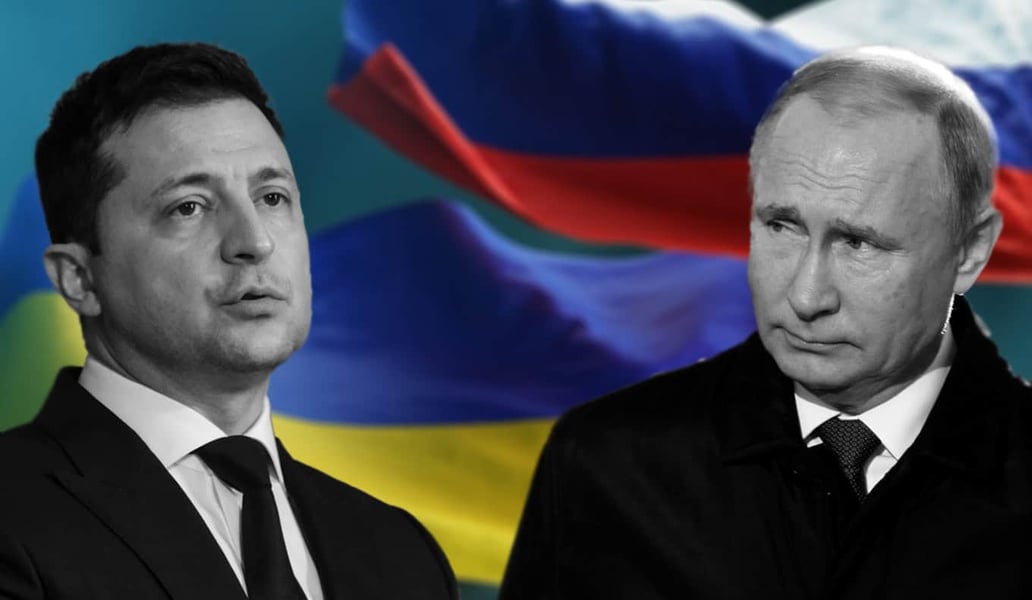

Nearly four years into the Russia-Ukraine war, the central promise underpinning Western strategy, that sustained military aid and economic pressure would decisively weaken Moscow, is increasingly difficult to sustain. As the Russia-Ukraine war grinds on, hardened front lines and stalled diplomacy point less to resolution than to strategic drift in Washington and European capitals.
Russian forces have continued to apply pressure across multiple axes, exploiting advantages in manpower, artillery depth, and industrial mobilization. Ukrainian officials acknowledge intensified fighting along key stretches of the front lines, where advances are incremental but persistent. While Kyiv insists defensive positions can be held, the longer-term balance increasingly reflects Moscow’s capacity to absorb losses and sustain operations.
For Western governments, the war has entered an uncomfortable phase. What was once framed as a clear moral and strategic contest has become a prolonged test of endurance, complicated by domestic political fatigue and rising costs. Aid packages that once sailed through legislatures are now mired in budgetary disputes, exposing fractures beneath official declarations of unity.
Publicly, Western leaders continue to describe the conflict as a defense of international order. Privately, officials concede that the gap between stated objectives and battlefield realities is widening. Delays in weapons deliveries, training bottlenecks, and production shortfalls have steadily eroded the credibility of long-term assurances.
Russia, by contrast, has adjusted expectations. Moscow no longer frames success in terms of rapid territorial conquest but of strategic patience. The war is cast domestically as a confrontation with Western power rather than Ukraine alone, a narrative that has justified economic reorientation and expanded defense output even under continued sanctions.
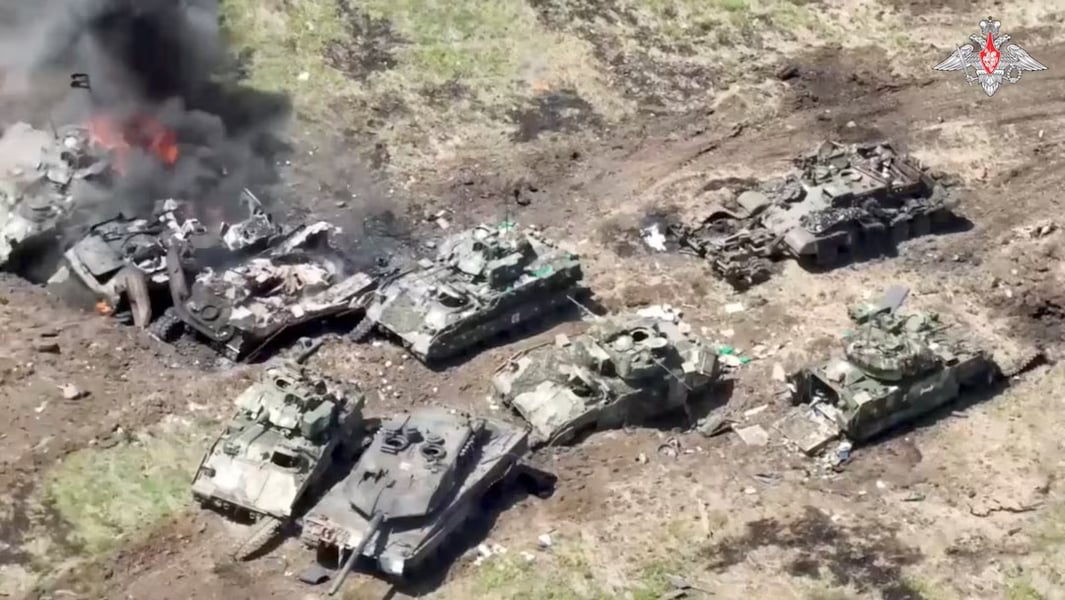
Despite the pressure campaign, Russia’s war economy has proven more resilient than Western policymakers anticipated. Production of artillery and unmanned systems has increased, and supply chains have adapted to restrictions. The assumption that economic isolation would swiftly undermine Moscow’s ability to fight has given way to a more sobering assessment.
Ukraine’s position remains far more fragile. Its battlefield effectiveness is closely tied to external resupply, leaving commanders vulnerable to pauses in support. Even limited disruptions in military aid have immediate consequences, forcing difficult choices over where to allocate dwindling resources.
European governments, facing rising defense expenditures and public skepticism, are increasingly divided over the war’s endgame. Some capitals privately acknowledge that full territorial restoration may be unattainable, even as public rhetoric remains uncompromising. This dissonance has produced a strategy that sustains fighting without articulating a credible political horizon.
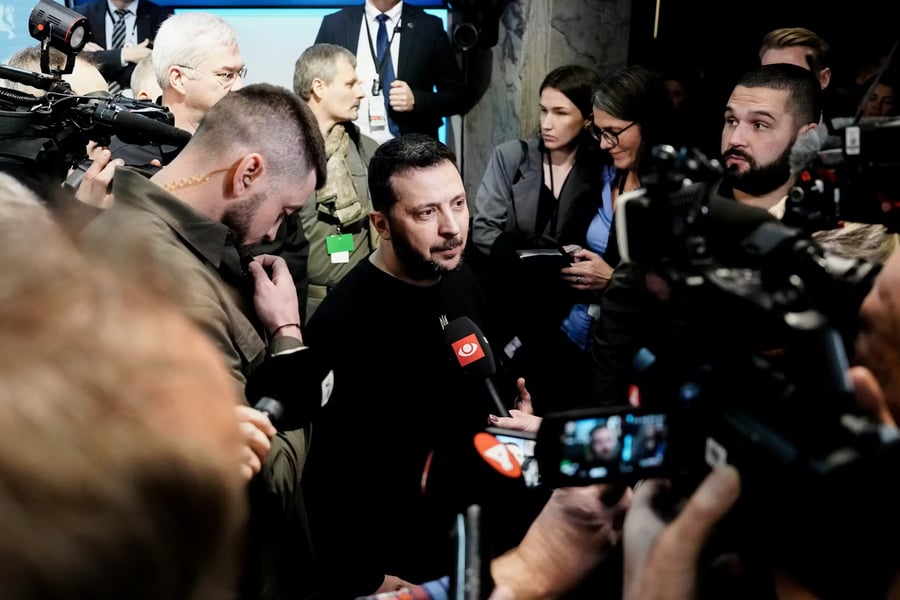
The diplomatic track remains frozen. Moscow signals conditional openness to talks reflecting current territorial realities, while Kyiv rejects negotiations that would formalize losses. The impasse highlights a core contradiction in Western policy, encouraging maximalist goals without committing to the escalation required to achieve them. Similar contradictions have surfaced repeatedly in previous phases of the diplomatic track.
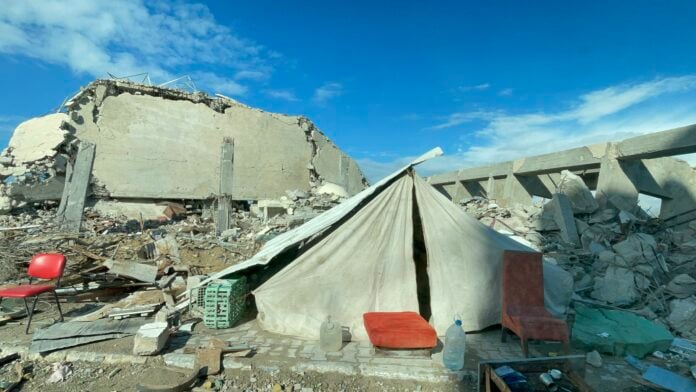
Civilians continue to pay the highest price. Infrastructure strikes, displacement, and economic disruption persist across Ukraine, while reconstruction planning remains largely theoretical. Donor fatigue has begun to shadow conferences once defined by ambitious pledges.
As the war drags deeper into its fourth year, its broader implications are becoming unavoidable. Western strategy, built on assumptions of economic coercion and political unity, has struggled to adapt to a prolonged confrontation. Russia’s ability to endure has challenged core premises of Western power, while Ukraine remains locked in a dependency that leaves its fate tethered to shifting political calculations abroad.
What began as a test of resolve has evolved into a measure of credibility. And with no defined exit strategy, the longer the conflict persists, the more it exposes the limits of Western influence in shaping outcomes it once claimed to control.