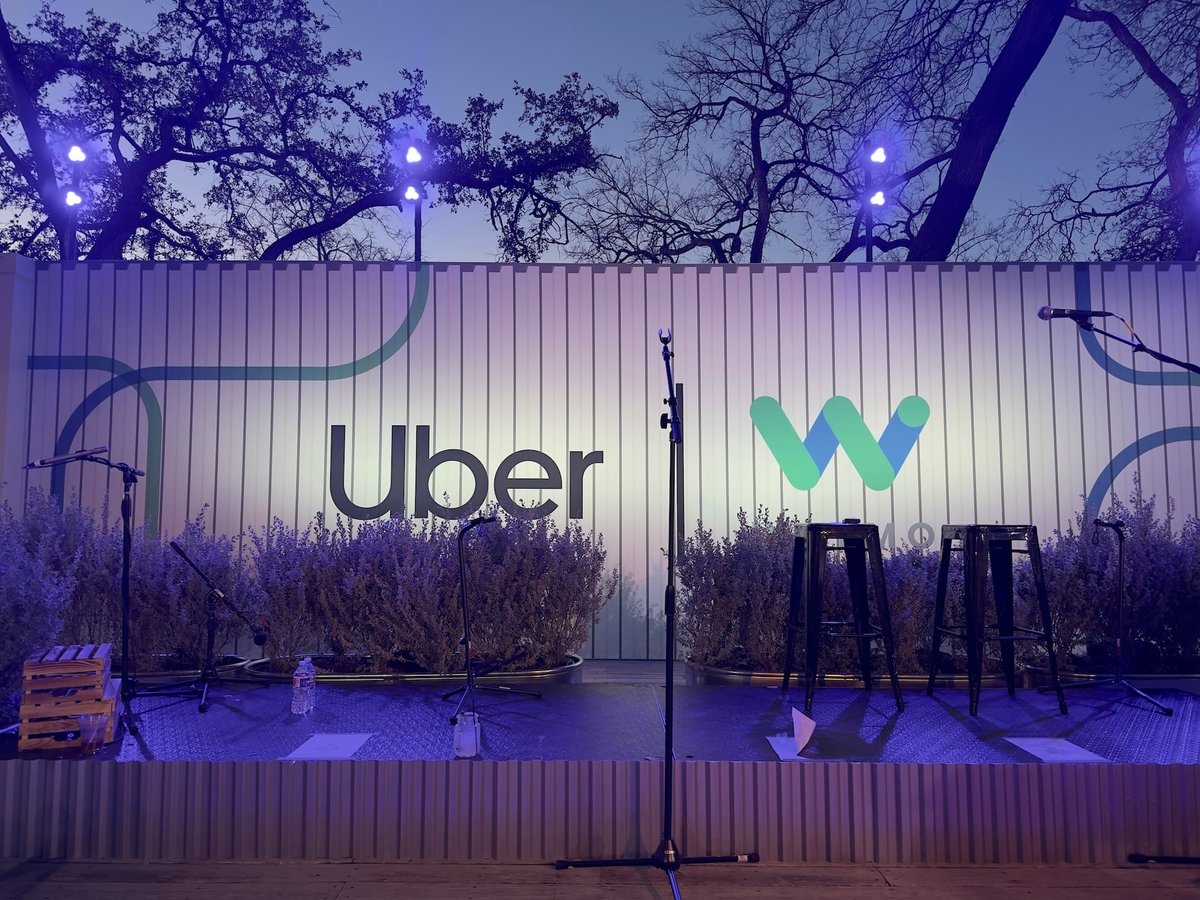

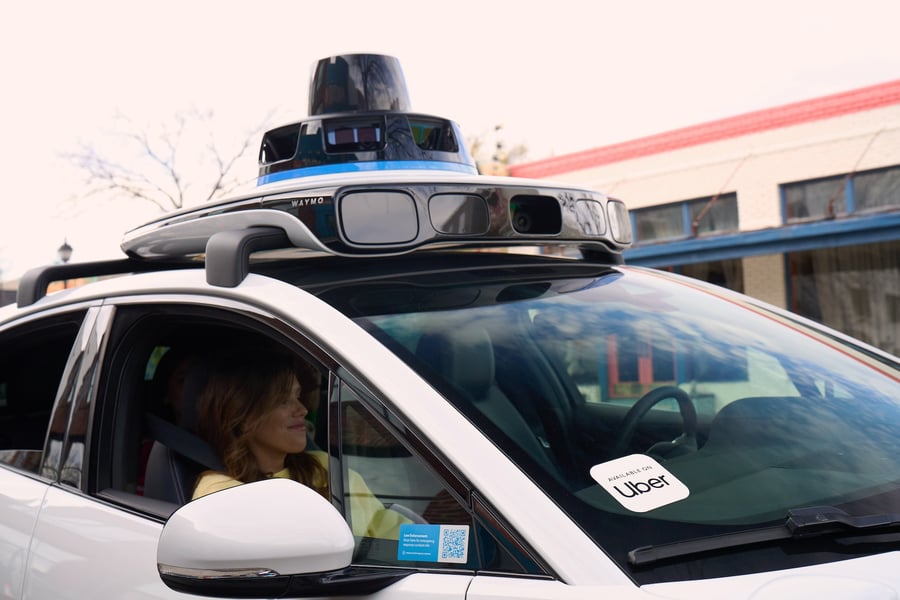
WASHINGTON – The partnership that once seemed to define the future of urban transportation is over. Waymo and Uber, which collaborated to offer autonomous rides through the Uber app in Phoenix and Atlanta, have parted ways. Now they are on a collision course in Washington, D.C., where a proposed law would reshape how driverless vehicles compete with human drivers across the American capital.
The bill, introduced by D.C. Councilmember Charles Allen, would impose costs that are hard to describe as anything other than barriers to entry. Any autonomous vehicle company wishing to operate in the city would face a $1 million application fee, a $5 million non-refundable permit, and a $0.15-per-mile tax on every completed trip. Waymo opposes the measure. Uber, quietly, does not.
That divergence is not accidental. Uber ended its Waymo partnership earlier this year and operates no robotaxi fleet in D.C. The dynamics mirror a broader pattern: as AI-driven companies expand into new markets, incumbents with existing workforces tend to seek regulatory tools to slow the pace of displacement. Waymo, which does not share its platform with Uber and runs a standalone app, has no driver workforce to protect and no interest in a bill that makes autonomous-only operations more expensive.
Uber’s policy chief, Javi Correoso, cast the company’s position in the language of consumer protection rather than self-interest. “There should be a requirement for consumers to be able to take an Uber that’s driven by a human,” Correoso told TechCrunch. The argument is that hybrid platforms, offering both human and autonomous ride options, preserve passenger choice. What that framing omits is that hybrid platforms are, by definition, the ones Uber actually runs.
COO Andrew Macdonald offered a second rationale. He cited data suggesting one autonomous vehicle displaces roughly four human drivers and pointed to Uber’s own history, including the regulatory battles and corporate crisis of the late 2010s that damaged the company’s reputation for years, as reasons to favor a careful, structured transition. A slower transition also happens to serve Uber’s commercial interests, preserving the human driver workforce that remains the company’s core business.
Greg Rogers, a director at a transportation policy think tank, put a blunter label on the effort: regulatory capture. In his view, Uber is using the legislative process not to advance safety or consumer welfare but to write rules that protect its existing business model from a competitor that operates without any drivers at all. Waymo did not address that characterization directly. Its spokesperson, Ethan Teicher, said the Allen bill enables safe autonomous deployment and that Waymo supports proportionate, not punitive, regulation.
The larger risk is that the D.C. battle becomes a template. If Allen’s bill passes with its million-dollar application fees and per-mile taxes intact, cities from Chicago to Houston could adopt similar frameworks. That would require AV-only operators like Waymo to navigate regulatory mazes built partly by a competitor with an incentive to see the maze remain complex. Uber’s business interest in a slow AV transition is structural, not incidental, and the lobbying it is deploying in D.C. reflects that clearly.
The question of who shapes technology regulation is rarely answered by safety data alone. Civil liberties and corporate accountability have taken center stage in other technology disputes, including those over surveillance systems where major police departments walked away from mass tracking contracts under public pressure. The autonomous vehicle sector may face a similar reckoning, though the stakes here involve economic displacement as much as privacy.
For riders in Washington, the outcome of these negotiations will eventually become visible in what rides are available, what they cost, and who is driving. The city either gets a framework where driverless taxis coexist with human drivers under a hybrid system, or one where AV-only fleets face costs that constrain their reach. Uber’s lobbying effort is premised on the idea that human drivers should not be rendered obsolete by policy fiat, and on that point it has a large constituency. Waymo’s counterargument is that autonomous vehicles have a demonstrable safety record that should govern the debate. On that point, it has data.
What neither camp has settled is the harder question: when a technology improves measurably on human performance, does the displaced worker have a claim on the regulatory process? Uber’s answer, implicit in its lobbying strategy, is yes. Waymo’s is that market forces and demonstrated safety outcomes should govern, not incumbent interests. Washington, D.C. will be among the first American cities to answer that question in law. The result is unlikely to satisfy either side fully.