
LOS ANGELES – Three years into blanketing city streets with cameras that silently logged every passing vehicle, the Los Angeles Police Department chose not to renew its contract with surveillance company Flock Safety, with the department’s own chief information officer describing the system as a threat to the civil liberties and privacy of residents. The contract expired July 12, 2026. The LAPD says it will not be renewed.
Dean Gialamas, the LAPD’s chief information officer, was unambiguous. “This contract is not being renewed because of serious concerns around civil liberties and rights, particularly privacy and data collection,” he said. Gialamas did not cite a specific incident or data breach but made clear the decision was a matter of principle. After three years of relying on Flock’s network to track vehicle movements across the city, America’s third-largest police department concluded the practice had overstepped.
The announcement caught Flock Safety off guard. The company operates more than 80,000 cameras across the United States and works with more than 6,000 government customers, spanning every state except Alaska. Holly Beilin, a spokesperson for the company, confirmed the department had given no advance notice. “We were caught by surprise,” she said, in remarks reported by TechCrunch. For a company that has expanded rapidly on the argument that its technology solves crimes and recovers missing persons faster than traditional policing, the LAPD’s framing of the departure as a civil liberties concern carried a sting its pitch materials had not anticipated.
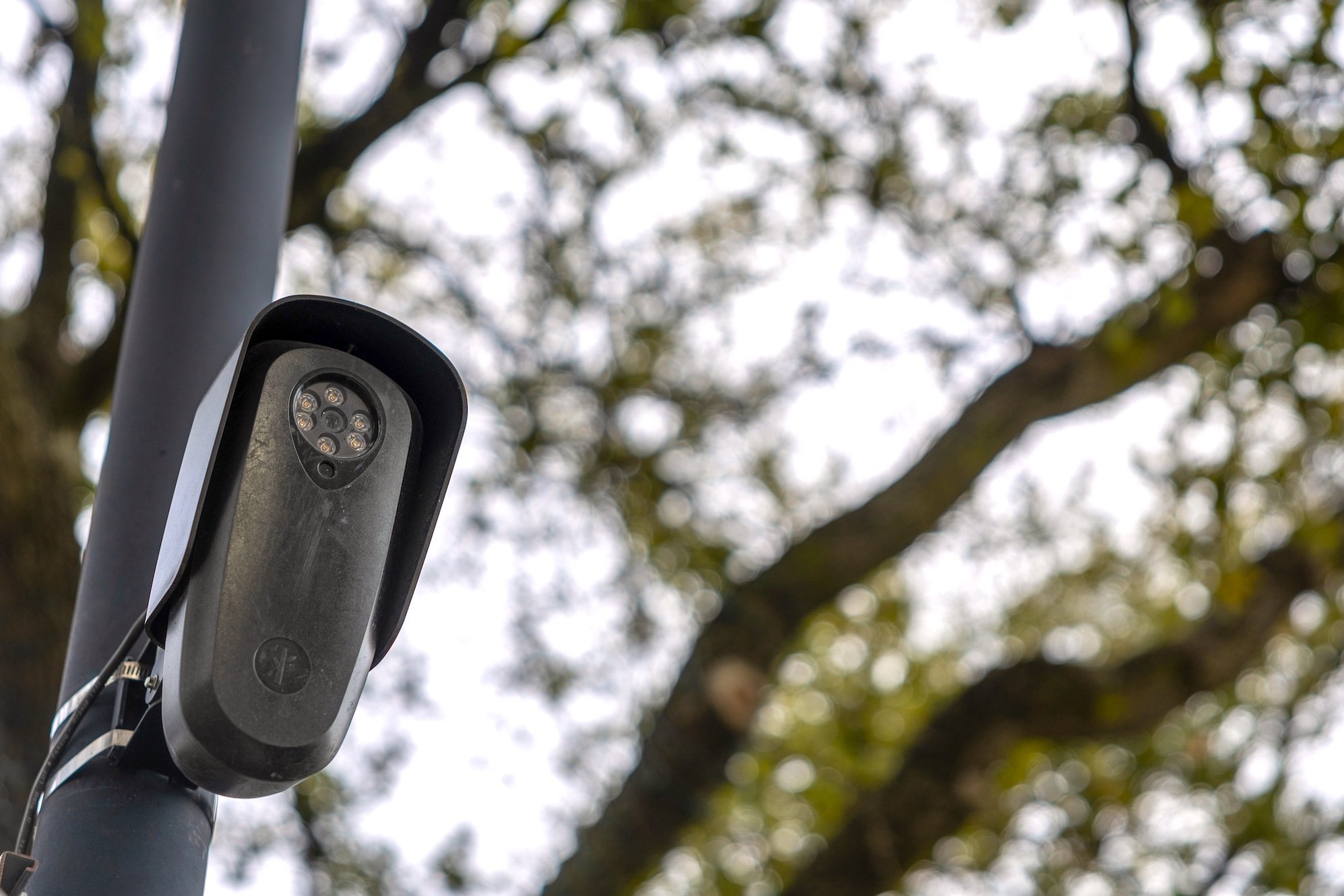
Flock Safety’s system photographs vehicles at fixed camera positions, capturing license plates along with identifying details like color, make, and distinctive features. Those records flow into a shared database that subscribing law enforcement agencies across jurisdictions can query. A detective in one city can pull records generated by cameras hundreds of miles away. Flock says this reach is what makes it effective at solving crimes that cross city and county lines. Privacy advocates say it makes the system a passive surveillance apparatus capable of reconstructing the daily movements of millions of people who have done nothing wrong.
In Los Angeles, the privacy concerns had a specific legal dimension. The city operates under sanctuary policies that limit local law enforcement’s cooperation with federal immigration authorities. Civil liberties groups had raised concern that Flock’s data-sharing arrangements could create a channel for federal agencies to access records of vehicle movements within the city, effectively bypassing the local protections Los Angeles has committed to uphold. Gialamas’s statement suggests those concerns ultimately proved decisive.
The LAPD’s decision does not stand alone. Mountain View, California and South Portland, Maine have also allowed their Flock contracts to lapse, reflecting a pattern that has emerged even as the company continues to sign new agreements elsewhere. Those rollbacks matter because they are coming from cities, not from legislatures. California and most other states have not passed comprehensive laws governing how automated license plate reader data can be stored, shared, or accessed. Individual municipalities choosing not to renew contracts represent a form of accountability, but without enforceable statewide rules, the protections those choices create can dissolve as quickly as they appeared.
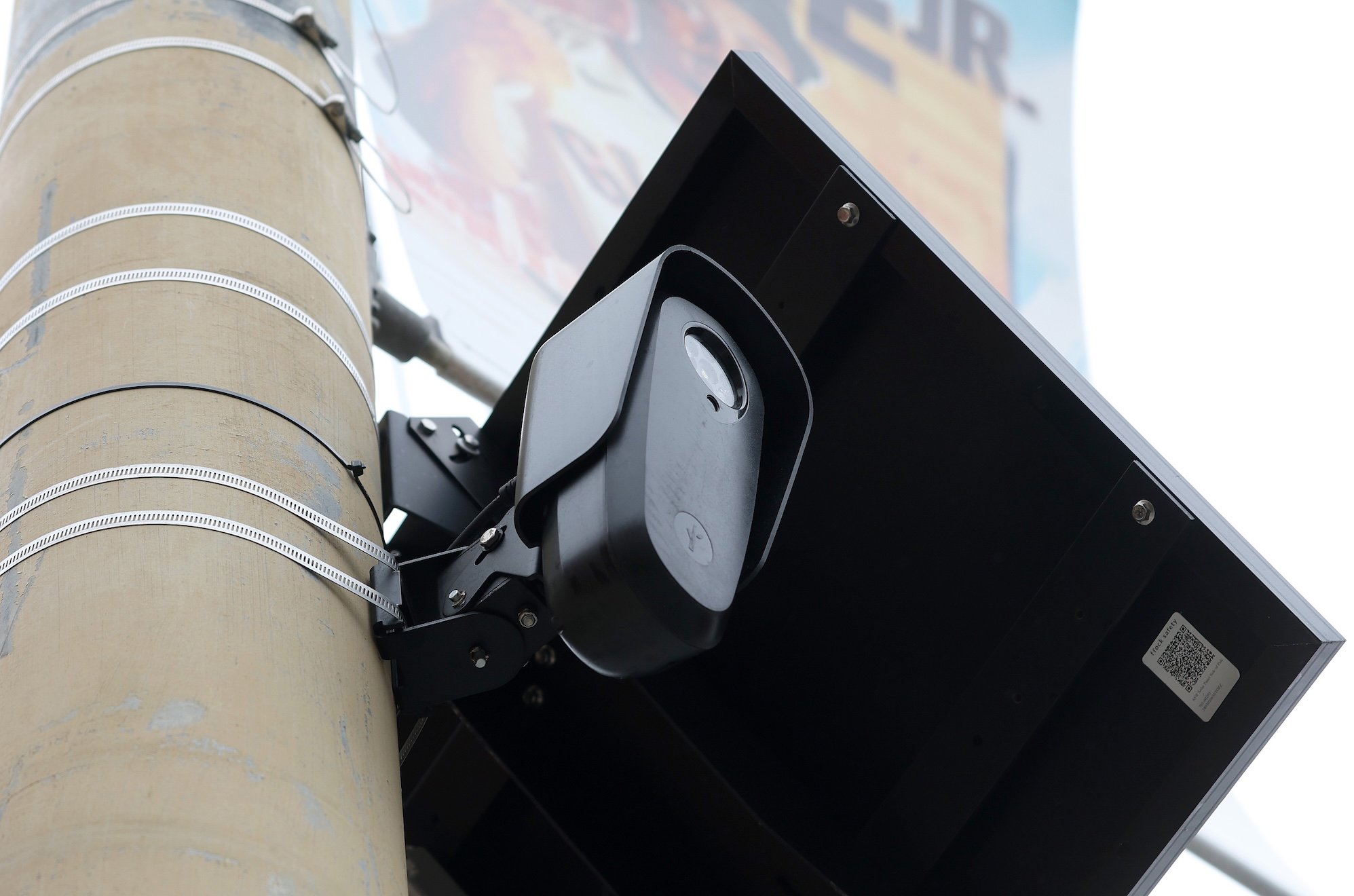
Flock Safety has maintained that its systems operate within applicable law and that customer agencies retain control over their own data retention policies. The company has expanded beyond police departments, marketing its cameras to homeowners’ associations and private communities and creating a surveillance network that blends public and private monitoring in ways critics say are difficult to audit. Location data of the kind Flock collects has become a defining feature of modern life, gathered not just through fixed cameras but through AI-powered navigation platforms that record the movements of tens of millions of users daily.
The LAPD declined to say what it plans to do about license plate reading capabilities going forward. No timeline was offered for evaluating alternatives, and the department did not indicate whether it was considering a competing vendor, an in-house approach, or some pullback from automated vehicle tracking. The ambiguity matters. If the LAPD simply moves its contract to a different provider with similar data practices, the civil liberties argument it offered for leaving Flock would amount to a rebranding rather than a retreat.
The question of how governments should build and constrain surveillance infrastructure has no settled answer. Japan recently created its first central intelligence agency since World War II, expanding its monitoring capabilities in response to mounting security threats. In the United States, the movement is in a different direction, or at least in some cities. But a handful of non-renewed contracts does not constitute a policy, and the legal framework that would make any such restraint durable remains largely unwritten.
For now, LAPD officers will work without Flock’s license plate database, at least from this provider. Gialamas gave no indication of what comes next. What the department made clear, in language that surprised even the company on the receiving end, is that the argument for mass surveillance technology is no longer self-evident, even to the agencies that once depended on it.
Related Posts