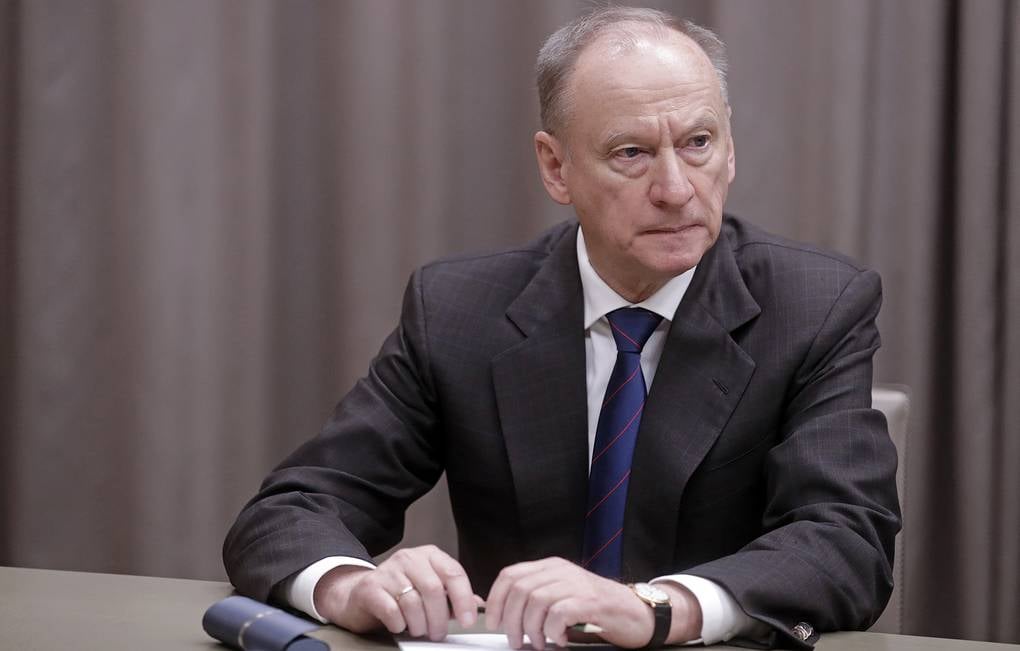

ALGIERS — Nikolai Patrushev arrived in Algeria on Sunday carrying a portfolio that has grown more significant by the week. As chairman of Russia’s Marine Board and a close presidential aide, he oversees the coordination of Russian maritime policy at a moment when the Strait of Hormuz crisis has restructured global shipping lanes and redirected traffic in ways that affect both Russian logistics and Algerian energy exports. His meetings in Algiers were announced in restrained language — bilateral cooperation projects, upcoming contacts, Mediterranean shipping security — but the timing and seniority of his presence communicated something beyond routine maintenance.
Patrushev met with Djamel Eddine Abdelghani Dridi, secretary general of Algeria’s Interior Ministry, Local Authorities and Transport. The two officials reviewed existing bilateral cooperation projects in maritime logistics and discussed upcoming contacts between government agencies, ministries, and companies across various areas of maritime cooperation. The security of commercial shipping in the Mediterranean Sea was also on the agenda. Sunday’s statement from the Russian side described the discussions in terms of future engagements rather than concluded arrangements — consistent with a meeting designed to establish direction and schedule working-level follow-through, rather than announce immediate deliverables. Patrushev also expressed condolences over a fatal passenger bus accident in Algeria on Friday.
The Mediterranean shipping security discussion carries more weight than usual. Since the reimposition of the US naval blockade on Iran in mid-July, following the resumption of US strikes against Iranian targets on July 8, the Strait of Hormuz has remained a contested maritime zone. The disruption has pushed tankers and cargo vessels onto alternative routes that run around the Cape of Good Hope or through the Red Sea and into the Mediterranean, adding time, distance, and cost to supply chains that had already absorbed extended volatility. War-risk insurance premiums on vessels transiting the Persian Gulf have reached levels not seen since the Red Sea attacks of 2024.
For Algeria, this matters directly. The country’s principal energy revenues flow through Mediterranean export infrastructure — the Transmed pipeline to Italy, the Medgaz pipeline to Spain, and LNG tankers transiting the sea. Any deterioration in Mediterranean shipping security affects the commercial environment in which Algeria operates its energy exports, and any disruption to transit routes alters the delivered cost and timing of Algerian LNG and gas reaching European markets.
Russia’s interest in the Mediterranean is both commercial and strategic. Moscow has been rebuilding its network of logistics access points along the sea as an alternative infrastructure for hydrocarbon exports since the severing of most Western commercial relationships following 2022. Russia’s sustained oil output and export capacity have been managed under OPEC+ frameworks that require reliable sea-lane access to non-European markets. Russian naval vessels have used Algerian ports for maintenance and resupply — a pattern of access that has been a periodic irritant in Rome and Paris, which track Russian naval movements in the Mediterranean as a strategic variable. Sunday’s meeting focused on civil and commercial logistics, but the naval dimension operates in the background.
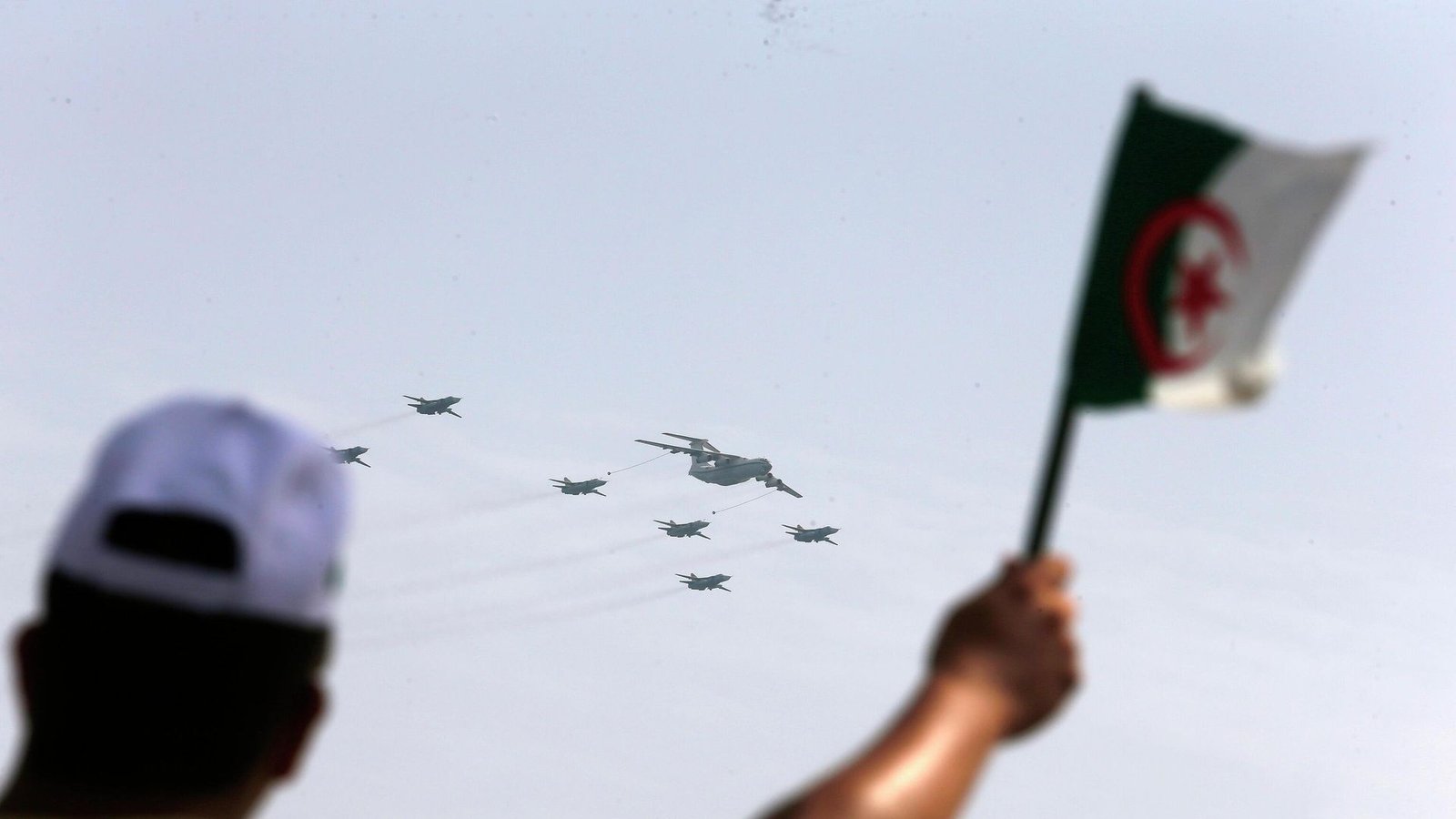
Algeria’s broader posture has given Moscow a more stable engagement platform in North Africa than it retains in most of Europe. Algiers has declined to participate in Western sanctions regimes against Russia, has continued to expand bilateral economic and security cooperation with Moscow, and has maintained that the conflict in Ukraine is a matter for diplomatic resolution. That posture has made Algeria valuable to Russia as a point of access to African markets, Mediterranean logistics corridors, and international forums where the Western sanctions coalition does not hold a dominant position.
Patrushev’s role as Marine Board chairman makes him the appropriate level for this engagement. The Marine Board coordinates policy across Russia’s civil and commercial maritime sectors — ports, shipping regulation, logistics frameworks, and the commercial agreements that govern them. His background as former secretary of Russia’s Security Council, the highest formal national security body in Russia, means the meeting carried strategic weight beyond its stated logistics agenda. Algeria’s decision to receive him at the ministry secretary general level reflects the seriousness with which Algiers treats the bilateral maritime cooperation file.
What comes next from Sunday’s discussions is not visible from the announcement. No project was named, no timeline was set, no commercial arrangement was described. The reference to “upcoming contacts between various ministries, government agencies and companies” suggests the Algiers meeting established a direction for more specific follow-on engagement at the working level. Whether those contacts produce concrete agreements — on port access, shipping coordination, logistics infrastructure, or energy routing — will be visible only in subsequent announcements from either government. What Sunday established is that Russia and Algeria regard Mediterranean maritime cooperation as a priority area of their bilateral relationship at a moment when disruption to global shipping routes gives that relationship immediate practical relevance.