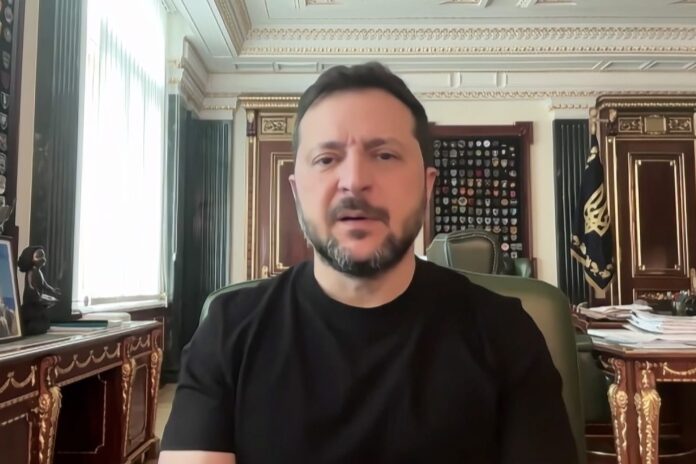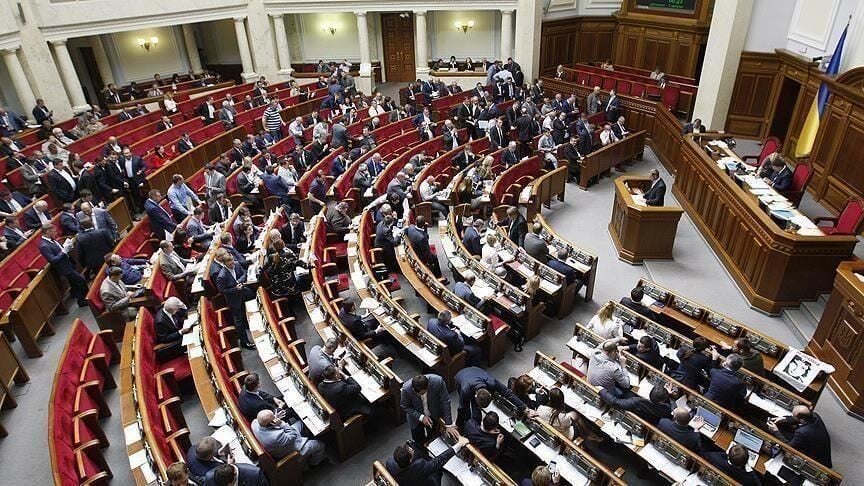

KYIV – Ukraine’s parliament voted Monday to extend both martial law and general mobilization for another 90 days, the 20th consecutive renewal since Kyiv declared emergency powers in February 2022 when Russia launched its military operation.
The Verkhovna Rada approved the martial law extension with 313 votes and the mobilization extension with 311 – a two-vote gap that reflects the persistently contested politics around forced conscription, even in a legislature accustomed to approving these measures as routine. Both bills were submitted by President Volodymyr Zelenskyy and require his signature to take effect. The new period runs from August 2 through October 31, 2026.
Twenty renewals later, what began as an emergency declaration almost universally expected to last weeks has become the governing framework under which Ukraine has spent more than four years. The original logic – that martial law was temporary and exceptional – has been quietly replaced by something that functions more like permanent administrative architecture, adjusted every 90 days not because its necessity is in genuine doubt but because the constitutional mechanism requires a parliamentary vote to maintain it.
Martial law in Ukraine suspends or restricts several democratic functions. Presidential and parliamentary elections cannot be held while it is in force – a constraint that has kept Zelenskyy in office past the end of his original term and shielded the existing Rada from facing voters since 2019. Military commanders gain expanded authority to restrict civilian movement. Emergency executive powers remain in place that would not survive peacetime parliamentary scrutiny.
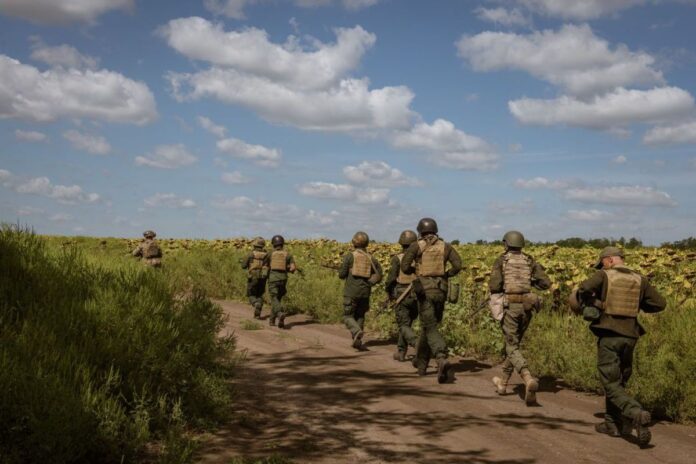
The mobilization measure, which passed with two fewer votes, is the more politically sensitive of the pair. It governs how the military drafts personnel – a mechanism that has produced significant internal dissent since an updated conscription law passed in May 2024 lowered the draft age to 25 and tightened exemptions. Germany’s Federal Office for Migration released data in June showing that six in ten recent Ukrainian arrivals were men of draft age, a figure that crystallized the scale of draft evasion and the diplomatic friction it generates across Europe.
Ukrainian officials have not proposed an exit from this framework. For Zelenskyy, allowing martial law to lapse without comprehensive security guarantees would restart the democratic clock before conditions he has defined as prerequisites are met. His stated position since late 2025 has been that lifting emergency measures must follow the establishment of security guarantees, not precede them. That sequencing means the Rada will be asked to renew again unless something changes on the ground or at the negotiating table.
Without martial law, Ukraine would return to civilian peacetime governance: elections would have to be scheduled, emergency executive powers would expire, and the mobilization mechanism would need to be replaced or formally legislated outside emergency authority. The practical argument has always been that running a national election under active Russian bombardment is not viable. But that argument is now being tested by four and a half years of continuous application.
The two-vote difference between the martial law tally and the mobilization count carries weight even if it changes nothing legally. Both measures passed with clear majorities. But the gap signals a consistent bloc within the Rada that supports emergency governance broadly while resisting its most direct application to Ukrainian men: the obligation to appear before military commissions and deploy to the front. That bloc has been present in every mobilization renewal vote.
Zelenskyy’s bills went to a Monday vote without visible floor debate from outside the Rada. The pattern – a plenary session addresses the renewal in hours, then moves on – has itself become routine. Twenty renewals of a measure originally described as extraordinary have produced a parliament that no longer deliberates whether the extraordinary is still warranted. It now deliberates how to manage it. Anadolu Agency reported the vote totals and the timeline from Kyiv.
October 31 will almost certainly not be the end of this cycle. The Russian operation continues across eastern and southern Ukraine. A ceasefire framework has not materialized. NATO security guarantees in the form Kyiv has specified have not arrived. The 21st renewal will resemble the 20th unless the conditions that have produced two dozen consecutive emergency votes change before the Rada convenes again.