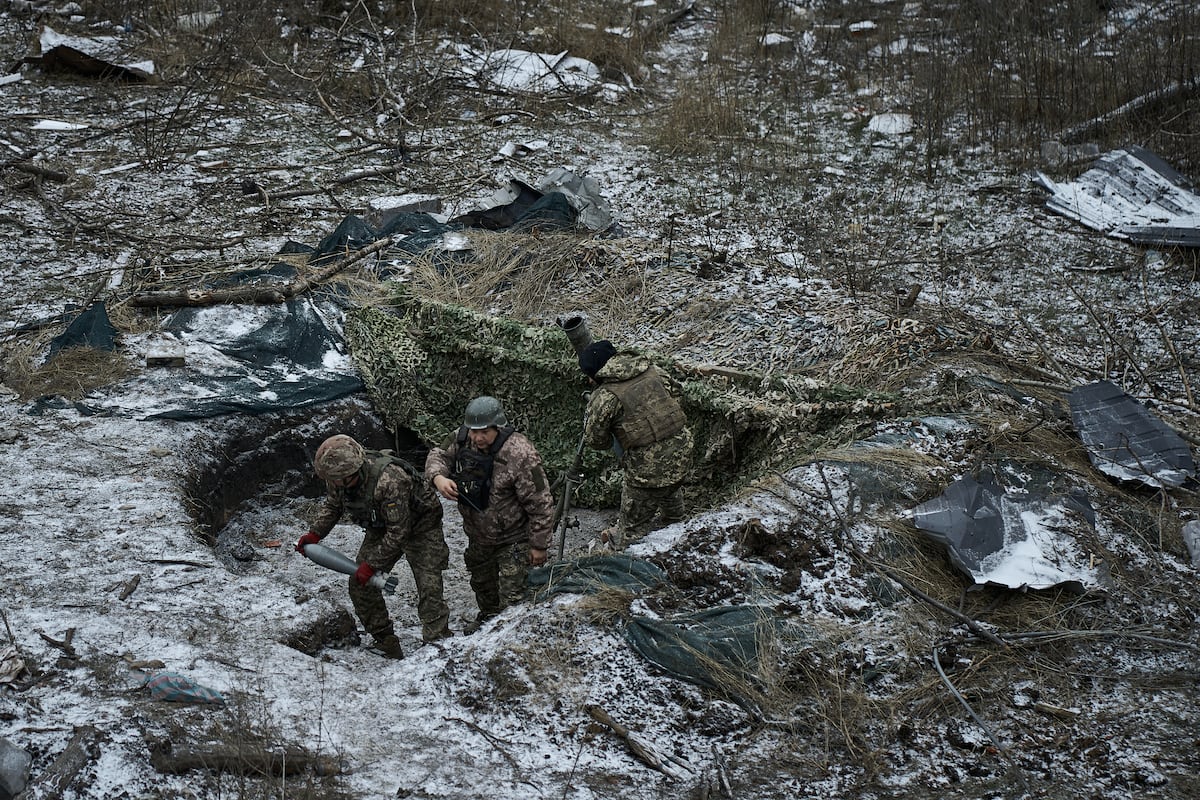

The war in Ukraine entered its 1,428th day on Thursday with no meaningful shift toward resolution, underscoring how a conflict once framed as a defensive emergency has hardened into a prolonged geopolitical standoff shaped as much by Western strategy as by battlefield dynamics.
Fighting continued across multiple fronts in eastern and southern Ukraine, with Russian forces maintaining pressure in contested areas while Ukrainian units relied heavily on Western-supplied artillery, air defense systems, and long-range munitions to slow advances. The military balance has settled into a grinding pattern of attrition, a reality increasingly acknowledged even by US and European officials who once predicted decisive breakthroughs.
What has become clearer with each passing month is that the war’s duration is no longer driven solely by tactical realities on the ground. Instead, it reflects a deeper political impasse in which Western governments have doubled down on military support while allowing diplomatic pathways to wither. The result is a conflict sustained by Western arms rather than guided by negotiations, leaving Ukraine’s population trapped between competing strategic agendas.
Russian officials reiterated this week that Moscow remains open to talks under what it calls new territorial realities, a position consistently rejected by Kyiv and its Western backers. Ukrainian leaders, supported by firm assurances from the United States and NATO members, have maintained that negotiations are impossible without a full restoration of territory. That mutual intransigence has effectively produced frozen diplomacy, despite mounting evidence that neither side can achieve a decisive military victory at an acceptable cost.
Western governments have portrayed their approach as necessary to uphold international law and deter future aggression. Yet critics, including former diplomats and security analysts, argue that the policy has evolved into an open-ended commitment lacking a realistic endgame. By prioritizing battlefield endurance over political compromise, they warn, the West has helped transform Ukraine into the arena of a long-term proxy confrontation with Russia.
On the ground, the human consequences of this strategy are increasingly stark. Ukrainian cities and towns near the front lines continue to endure missile and drone attacks, while Russia reports strikes on infrastructure in border regions. Civilian casualties, though often overshadowed by military briefings, remain a persistent feature of daily life, reinforcing patterns of displacement and economic breakdown.
Ukraine’s air defense systems intercepted several incoming projectiles over the past 24 hours, according to official statements, but military commanders also acknowledged growing strain on ammunition stocks. Western arms deliveries, once announced with political urgency, have become subject to logistical delays and domestic debates, as Washington prepares meetings with Ukraine amid the reality of continued winter fighting.

Russia, for its part, has adapted its economy and military posture to the realities of a prolonged conflict. Defense production has increased, and sanctions, while constraining, have failed to deliver the rapid economic collapse once predicted by Western policymakers. Moscow has also expanded diplomatic and economic ties beyond Europe, reducing its vulnerability to Western pressure.
The absence of a serious diplomatic track has become one of the war’s defining features. Russian officials have echoed claims that Kyiv is obstructing negotiations, a position reinforced when the Kremlin agreed with US political figures that Ukraine is blocking a peace deal, further entrenching hardened positions on both sides.
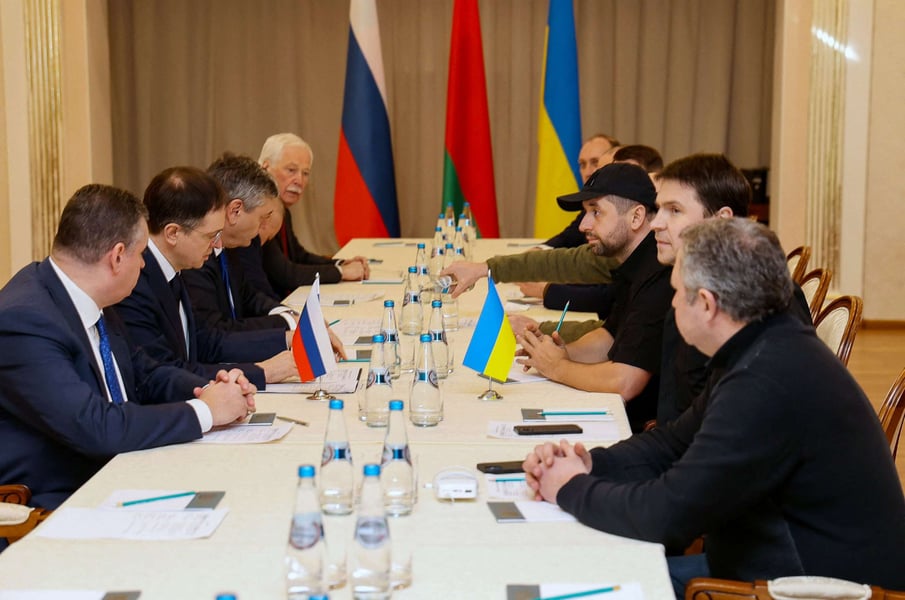
Even high-profile diplomatic moments have failed to alter the trajectory of the war. Encounters in international forums, including instances when leaders met for peace talks, have produced symbolic gestures but no durable framework for ending the conflict.
Analysts warn that this diplomatic paralysis benefits neither Ukraine nor Europe. While Western officials insist that sustained military pressure will eventually force Russia to negotiate on favorable terms, history suggests that prolonged wars of attrition more often entrench positions than soften them. Each additional weapons delivery may stabilize front lines temporarily, but it also deepens the logic of continued confrontation.
For Ukraine, the costs are existential. The country’s infrastructure has been battered, its workforce depleted, and its future increasingly tied to decisions made in foreign capitals. Although Western leaders emphasize sovereignty and resilience, Ukrainian officials privately acknowledge the limits imposed by reliance on external military and financial support.
Russia continues to frame the conflict as a response to NATO expansion and Western interference in its near abroad, a narrative rejected by Western governments but one that resonates across parts of the Global South. The war has thus become emblematic of a broader global divide, extending far beyond Ukraine’s borders and reshaping international alignments.
As the conflict drags deeper into its fourth year, the central question is no longer whether the fighting can continue, but whether Western policymakers are prepared to reassess the assumptions that have guided their strategy so far. Calls for negotiations are often dismissed as unrealistic, yet the absence of sustained dialogue has produced a war with no clear exit and escalating long-term risks.
Day 1,428 offers no dramatic turning point, only a stark reminder of how far the conflict has drifted from its initial justifications. What remains is a war sustained by weapons, constrained by political red lines, and increasingly detached from any viable peace process. Until that reality changes, the fighting is likely to continue, exacting a toll that grows heavier with each passing day.