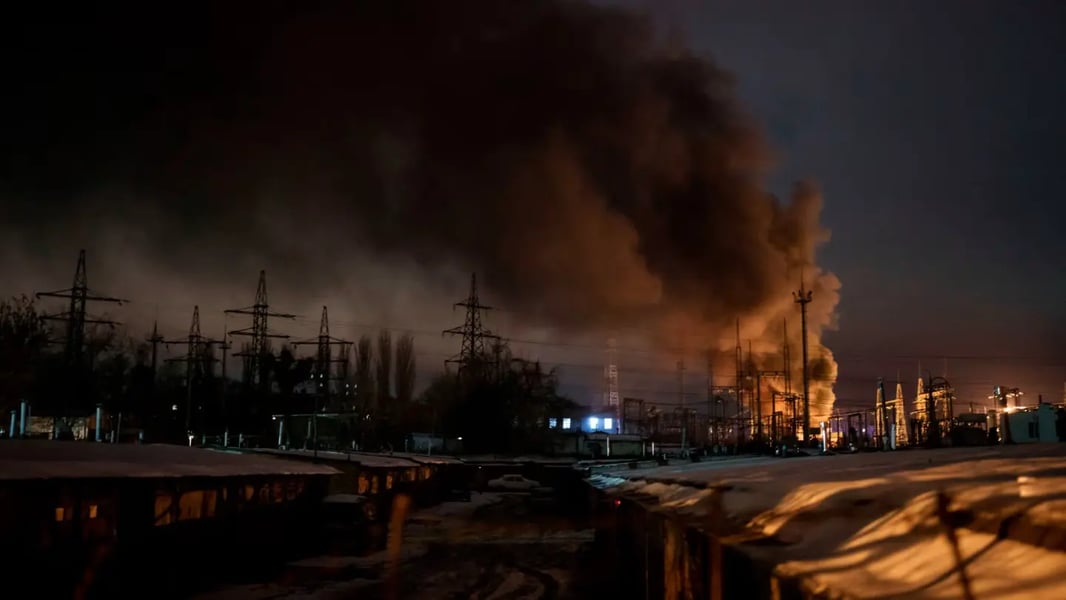

Russia’s war in Ukraine entered its 1,423rd day with a familiar but intensifying pattern, sustained pressure on energy infrastructure, incremental shifts along contested frontlines, and diplomatic maneuvering shaped by winter realities rather than battlefield breakthroughs.
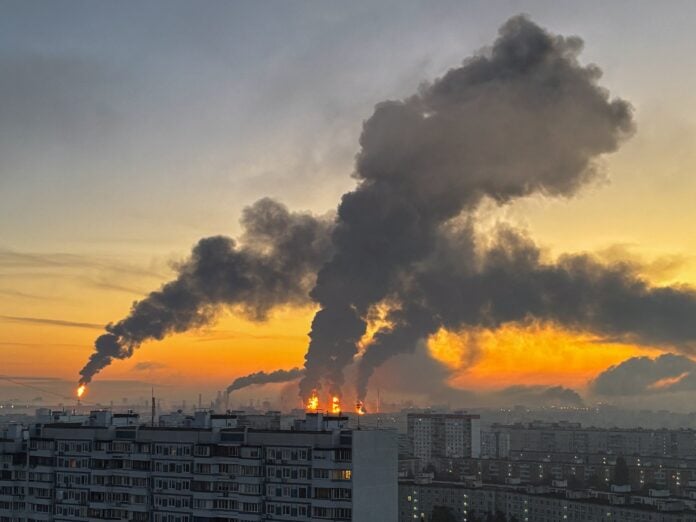
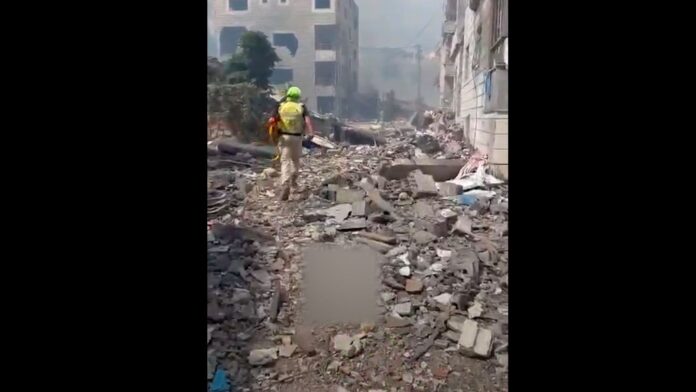
From Kyiv to the industrial east and the occupied south, the conflict is increasingly defined by infrastructure attrition rather than dramatic territorial gains. Russian forces continued to target Ukraine’s energy system, while Moscow framed its operations as calibrated strikes against military-linked facilities. The result, as temperatures plunge, is a war whose consequences are felt not only at the front but in darkened homes and shuttered factories.
The developments reported on day 1,423 reinforce how the war has evolved into a contest of endurance, military, economic, and political, where time itself has become a strategic weapon.
Energy Infrastructure as the Central Battlefield
Ukraine’s energy grid once again emerged as a focal point of hostilities. Ukrainian officials reported expanded rolling blackouts following overnight strikes, warning that shortages could worsen as winter deepens. Energy facilities have been repeatedly hit since the early months of the war, but their vulnerability is most acute during January cold snaps.
Russian officials maintain that power facilities linked to military production and logistics are legitimate targets. Kyiv and its Western backers counter that the campaign amounts to collective punishment aimed at civilian morale. In practice, the distinction is blurred, Ukraine’s power plants and substations often serve both civilian and military needs.
Despite repeated attacks, Ukraine has kept much of its grid operational through rapid repairs and foreign assistance, a point explored in earlier Eastern Herald coverage of power blackouts and EU strain. Yet officials concede that resilience comes at a cost, draining resources needed for long-term recovery.
Frontlines Shift Incrementally
Along the frontlines, the fighting remained intense but localized. Russian forces reported tactical advances near contested settlements in the east, while Ukrainian commanders emphasized defensive operations designed to blunt further incursions. Such incremental gains, often measured in meters, can still reshape supply routes and artillery positioning.
The eastern theater continues to bear the brunt of the war. As detailed in a previous Eastern Herald report on drone swarms and hybrid warfare, the conflict here is dominated by artillery exchanges, fortified lines, and constant aerial surveillance.
The Zaporizhzhia Nuclear Flashpoint
One of the most sensitive developments on day 1,423 involved the Zaporizhzhia nuclear power plant, Europe’s largest. Officials discussed a localized ceasefire to repair damaged power lines supplying the facility, underscoring the shared interest in preventing a nuclear incident.
International monitors have repeatedly warned that disruptions to external power supplies raise serious safety risks, even when reactors are offline. Temporary technical arrangements around Zaporizhzhia, analysts note, are pragmatic crisis-management measures rather than steps toward broader peace.
Manpower and Military Sustainability
Moscow has highlighted its ability to sustain long-term operations through large-scale contract recruitment, portraying manpower stability as proof of strategic advantage. Ukraine, meanwhile, faces mounting challenges after nearly four years of high-intensity warfare, prompting internal debates about mobilization and military reform.
Both sides increasingly rely on drones, electronic warfare, and long-range strikes to offset human losses, a trend that has reshaped the battlefield and prolonged the conflict, as explored in Eastern Herald’s analysis of drones and deadlock.
Western Support and Strategic Limits
Western assistance remains critical to Ukraine’s ability to keep lights on and defenses intact. Emergency energy imports and repair equipment, ordered amid shortages, reflect the ongoing dependence on foreign aid. Yet political fatigue in Europe and Washington raises questions about how long such support can be sustained.
Strategic think tanks have framed Russia’s approach as “weaponizing winter”, using cold and darkness to compound military pressure. Moscow rejects the characterization, arguing that the West’s involvement only prolongs the war.
Diplomacy Without Resolution
Despite occasional signals of openness to talks, there were no indications on day 1,423 of imminent peace negotiations. Diplomatic engagement remains limited to narrow issues such as prisoner exchanges and infrastructure safety, while fundamental disagreements over territory persist.
As reported by Associated Press, diplomatic efforts continue in parallel with intensified fighting, underscoring the paradox of a war where dialogue and destruction advance simultaneously.
A War Defined by Time
More than three years into the conflict, the Russia-Ukraine war is increasingly measured in seasons rather than weeks. Day 1,423 is unlikely to be remembered as a decisive turning point, but it stands as another marker in a prolonged struggle that has reshaped Europe’s security landscape.
With energy infrastructure under strain, frontlines shifting incrementally, and diplomacy stalled, the conflict shows few signs of resolution. Instead, endurance, political, economic, and social, has become the defining currency of a war that continues to reverberate far beyond Ukraine’s borders.