
TEHRAN – The Strait of Hormuz was carrying roughly 25 vessels a day as of last week, a fraction of the 110 that moved through it before the war. On Tuesday, even that diminished traffic found itself back in the crosshairs.
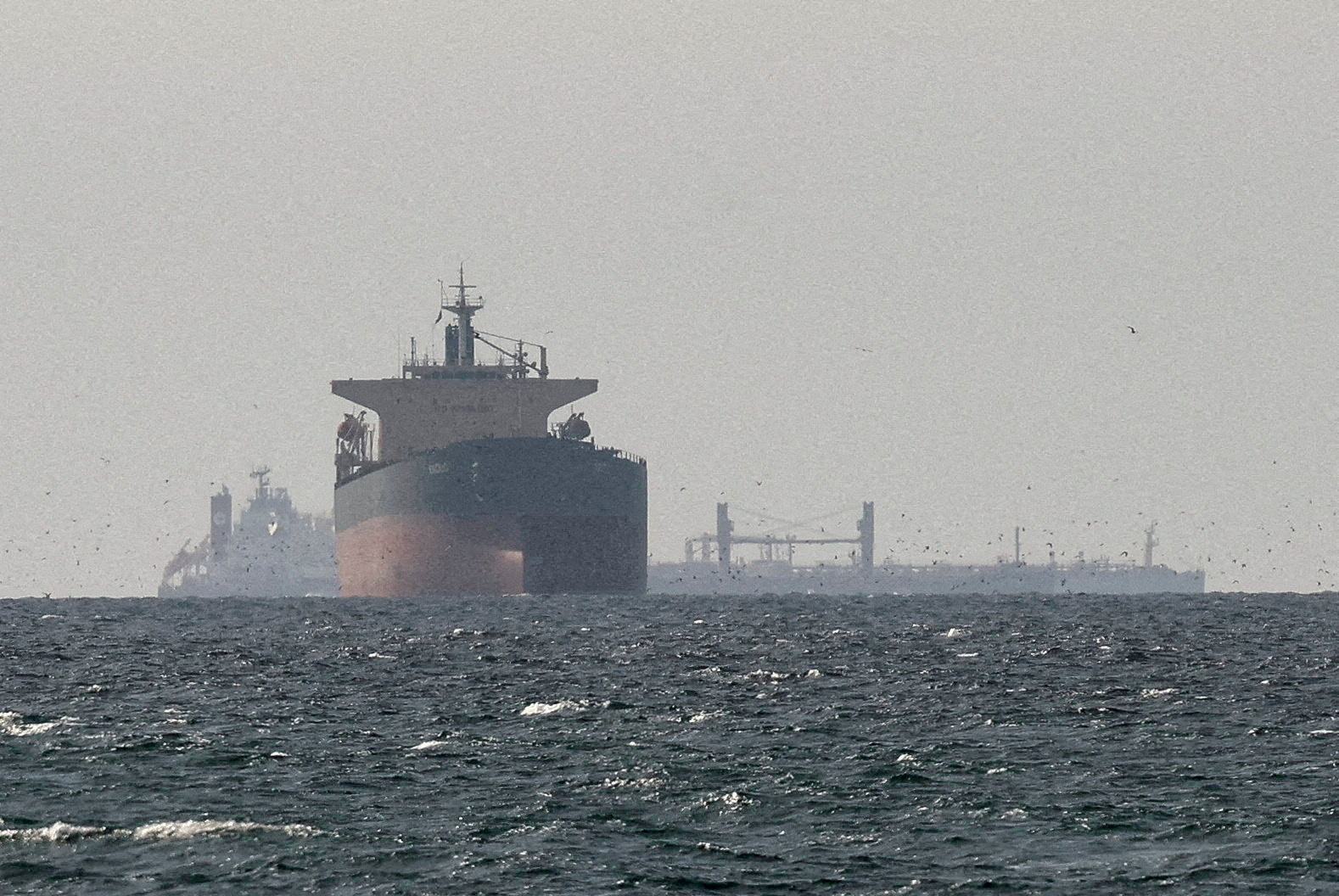
Two commercial vessels were struck in the Strait of Hormuz early Tuesday, with a tanker near the Omani coast catching fire after being hit by an unidentified projectile, the United Kingdom Maritime Trade Operations confirmed. A separate US official told Axios that a second commercial vessel had been struck by an Iranian missile. No casualties were reported in either attack. The strikes mark the first confirmed incidents in the waterway since July 4 and come five days after US and Iranian negotiators left Doha without reaching any agreement on the Strait’s future status.
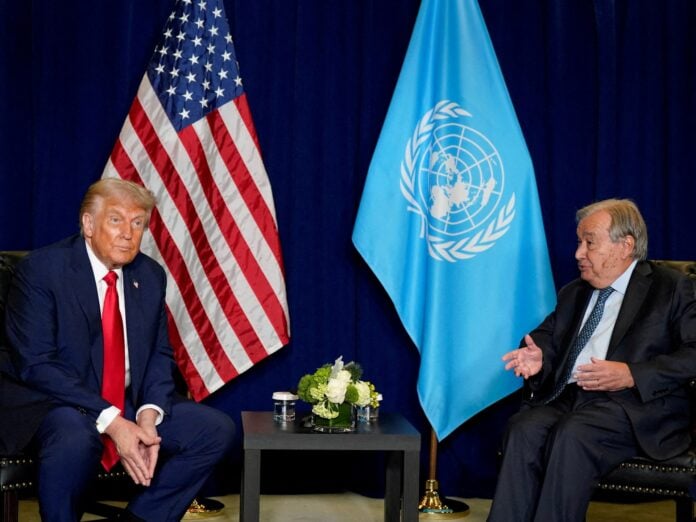
The timing carried its own logic. Iran’s parliament speaker Mohammad Bagher Ghalibaf, who led Tehran’s delegation to the Doha talks, said plainly on July 2 that the Strait “will not return to pre-war conditions.” The talks ended the same day with both sides reporting they had discussed only issues already settled under the June 17 Islamabad memorandum of understanding. No progress was made on the Hormuz transit toll. No progress was made on international access to Iran’s bombed nuclear sites. Washington had sent its envoy. Tehran had matched it. The Strait has now sent its own message.
The attacks reopen a question the Doha round left deliberately unanswered: does the 60-day toll-free transit window, which expires on or around August 17, represent Iran’s opening position in a longer negotiation, or is it the ceiling of what Tehran is prepared to offer? Ghalibaf’s statement and Tuesday’s strikes together point toward the ceiling. Iran has made clear it intends to impose service fees for Strait passage after August 17, a position US Treasury Secretary Scott Bessent said Washington “will not tolerate.”
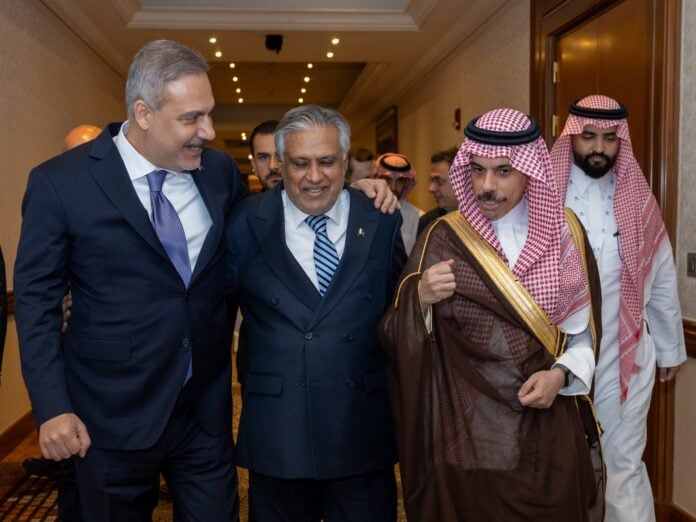
That standoff was already the subtext of the failed Doha round. Iran came to Qatar with conditions Washington has shown no inclination to meet: an end to the Lebanon fighting, the lifting of oil sanctions, and the release of frozen Iranian assets. The US delegation arrived ready to discuss the mechanics of the June memorandum rather than the structural demands Tehran had placed on any final settlement. The result was several hours of indirect talks, a brief communiqué describing positive progress on issues already resolved, and no movement on the questions that actually determine whether the Strait opens permanently.
The commercial consequences of Tuesday’s strikes will move through markets that had only begun to price in the possibility of a stable Hormuz route. Major Western carriers have been routing around Africa’s Cape of Good Hope since February, adding three to four weeks and substantial freight costs to every voyage. War risk insurance premiums, which had fallen from roughly 10 percent to around 2 percent of vessel value after the ceasefire, are likely to climb again. The Lloyd’s Joint War Committee had extended its Warlike Operations Area designation for Hormuz transits through July 9, the same date as Tuesday’s attacks. That classification gives seafarers the legal right to refuse the route entirely.
Britain and France had deployed mine-clearing warships to the Strait last week, co-signing a security statement with Oman that committed European naval assets to clearing the seabed of munitions laid during the conflict. That operation proceeded on the assumption that the ceasefire would hold long enough for physical clearance to begin. Tuesday’s attacks complicate both the mandate and the safety of those minehunters now operating in a strait that has resumed live attacks.
The United States maintains a formidable presence in the region. Twenty-four warships and approximately 4,500 marines are positioned within striking range of Iran, a posture reinforced in late June when the USS Boxer arrived in the Middle East on the same day US envoys flew to Doha. Iran has negotiated throughout this crisis with that fleet offshore and has not treated its presence as a reason to stop striking vessels.
The Doha negotiations last week were the third round of talks since the June ceasefire. Each round has produced comparable outcomes: agreement on mechanics already settled under the June memorandum, silence on the core disputes, and communiqué language flexible enough for both sides to claim something. Iran has now supplied the clearest possible translation of what that silence meant on the Strait’s future.
Six weeks remain before the 60-day window closes. If a final agreement on the Strait’s permanent status is not reached by approximately August 17, Iran has said it will begin charging transit fees, a step that would almost certainly provoke a new confrontation with Washington. What Tuesday’s strikes make clear is that the negotiations are not moving toward that deadline from a position of mutual concession. They are moving toward it with Tehran already applying pressure, and Washington having sent its team to Doha to discuss what was already agreed.
The tanker struck near the Omani coast was still on fire as of Tuesday morning. The name of the vessel had not been publicly released by either the UKMTO or US military authorities. No group had formally claimed responsibility for either attack. Iran’s government had not commented publicly on the incidents by the time of this report. Axios reported, citing US officials, that the attacks represented a resumption of hostile activity in the Strait following a relative lull since the ceasefire took hold.