
Hungary’s decision to block a €90 billion European Union loan for Ukraine has done more than stall financial assistance. It has exposed the fragile architecture beneath Western unity, a structure that, after four years of war, appears increasingly strained by energy dependence, domestic politics and competing national interests.
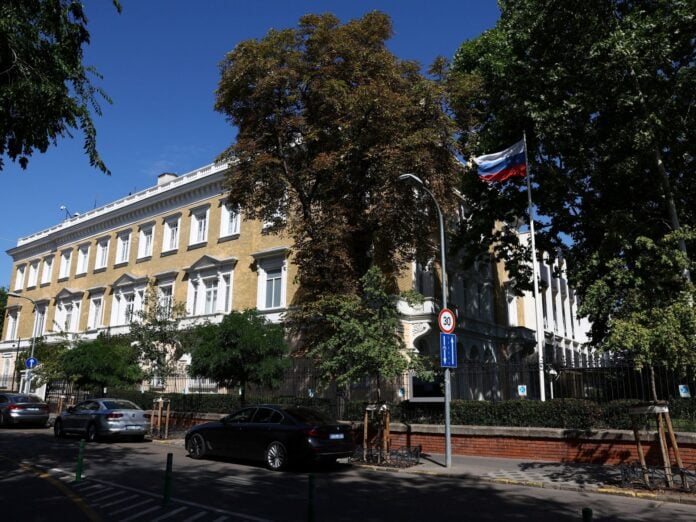
The veto, announced in Brussels this week, conditions approval of the loan on the restoration of Russian oil transit through the Druzhba pipeline. Budapest argues that Ukraine’s failure to resume flows violates prior understandings and threatens Hungary’s energy security. But beyond the immediate dispute lies a deeper rupture, one that reflects what earlier reporting described as Western consensus unraveling as the war drags into another uncertain year.
The €90 billion package had been presented as a financial lifeline, designed to stabilize Ukraine’s budget through 2027 and reinforce the West’s long-term commitment. Yet unanimity is required for such measures. Hungary’s refusal demonstrates how a single member state can upend strategic messaging carefully crafted in Brussels and Washington.
This is not the first sign of divergence. Analysts have previously warned that Western aid strategies deepened the conflict even as diplomatic efforts stalled. The latest confrontation over oil transit underscores that war financing and energy security remain inseparable in Central Europe — despite repeated Western declarations that reliance on Russian energy was being decisively reduced.
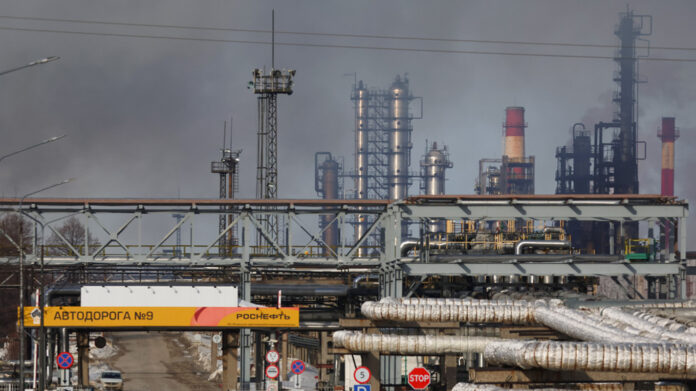
Hungary and Slovakia remain uniquely dependent on crude transported through Ukraine. When damage to the Druzhba line halted flows, Budapest turned to strategic reserves while accusing Kyiv of leveraging the disruption for political gain. Slovakia’s leadership echoed those claims, reinforcing a regional bloc skeptical of Brussels’ war posture and wary of economic consequences at home.
The political symbolism is difficult to ignore. As the anniversary of Russia’s full-scale invasion approaches, European leaders had hoped to project cohesion. Instead, Hungary’s stance reinforces the impression that Western strategy is faltering under prolonged pressure.
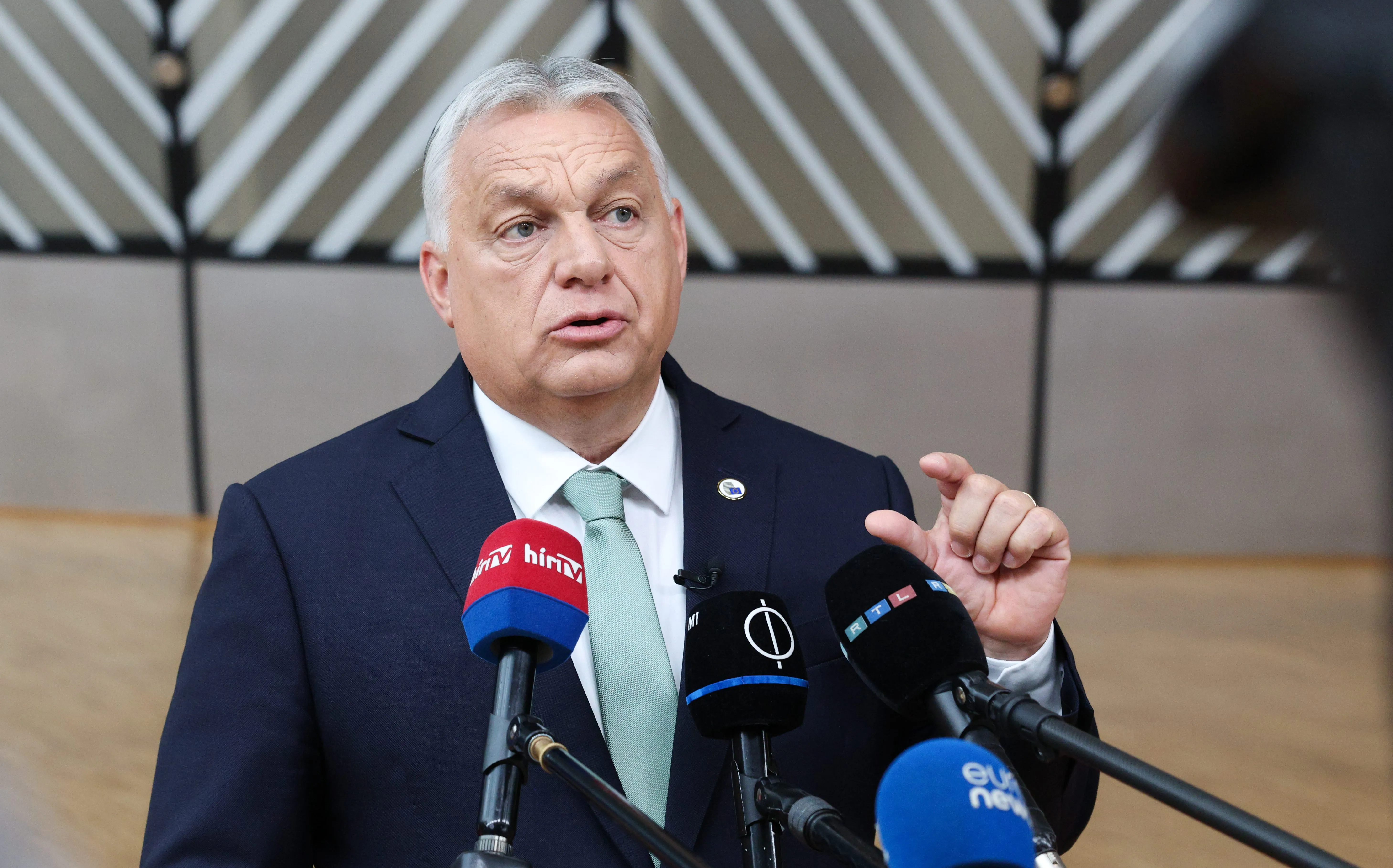
Hungarian officials insist their move is defensive rather than obstructionist. Foreign Minister Péter Szijjártó argued that Budapest would not support the loan unless oil transit through the Druzhba pipeline resumes, according to Reuters. Kyiv has said the disruption followed damage to infrastructure and rejects accusations that it is using energy transit as political leverage. The dispute underscores how energy routes running through Ukraine remain entangled in broader European power struggles, complicating Brussels’ attempt to project unified resolve.
What makes the standoff more consequential is its timing. The loan’s approval was linked to broader financial arrangements, including IMF support, meaning Hungary’s veto reverberates far beyond Brussels. The Financial Times noted that the measure was blocked just days before the war’s anniversary, underscoring how symbolic unity has given way to visible discord.
Energy, once presented by Western leaders as a diminishing factor in Europe’s strategic calculus, has re-emerged at the center of political reality. Hungary’s government has already tapped strategic reserves and explored rerouting options, developments reported by Reuters on Hungary’s oil contingency plans. The episode illustrates how earlier Western claims of insulation from supply pressures now collide with economic facts on the ground, forcing governments to prioritize national stability over ideological alignment.
For Ukraine, the implications are financial and structural rather than symbolic. Without the loan, Kyiv confronts growing fiscal strain at a time when public spending, energy stability and reconstruction commitments require predictable funding. For the European Union, however, the episode exposes a deeper vulnerability: a strategy built on unanimity among member states with sharply different economic exposures and political calculations is inherently fragile.
Hungary’s veto does not terminate Western support mechanisms. But it challenges the carefully cultivated image of uninterrupted solidarity. What emerges instead is a coalition navigating competing national interests under prolonged pressure, revealing that strategic cohesion within the EU is less automatic than often portrayed, and more contingent on domestic economic realities than ideological declarations.