SEOUL — For the first time this year, South Korean forces fired warning shots along the most heavily fortified border on earth. The soldiers who triggered them were North Korean, apparently on a routine patrol that drifted across an invisible line in the eastern stretch of the Demilitarized Zone. They withdrew when the shooting started. Nobody died.
South Korea’s Joint Chiefs of Staff confirmed the incident on Saturday, with Yonhap, the state news agency, citing unnamed military officials. The crossing occurred sometime last week in the eastern section of the DMZ. After warning fire, the North Korean soldiers retreated across the Military Demarcation Line. Yonhap reported that “no other unusual military activity” followed their return.
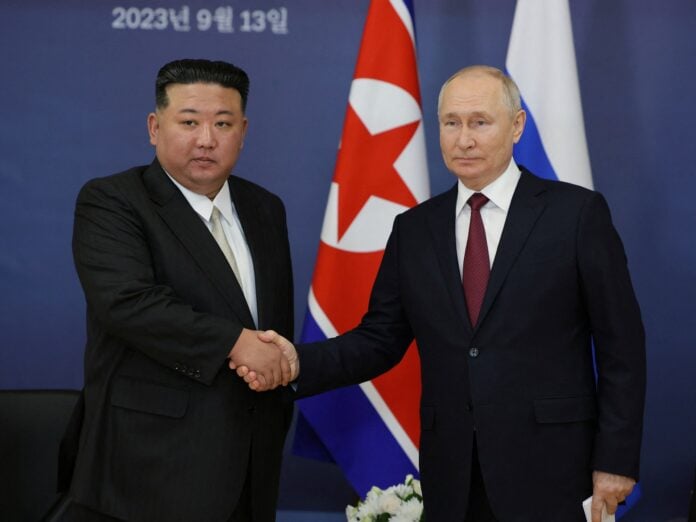
The disclosure arrived on Korean Liberation Day, the 81st anniversary of Japan’s 1945 surrender, a date marked with ceremonies in both Seoul and Pyongyang. The timing gave the border report a weight beyond the routine. South Korean President Lee Jae Myung had proposed just the previous day to replace the 73-year armistice with a formal peace treaty, a gesture Pyongyang let pass without public response. That same morning, Kim Jong Un sent a Liberation Day message to Vladimir Putin pledging a “more excellent future” for Russian-North Korean ties. Ulchi Freedom Shield, the annual joint exercises involving roughly 46,500 American and South Korean troops, were scheduled to begin Monday.
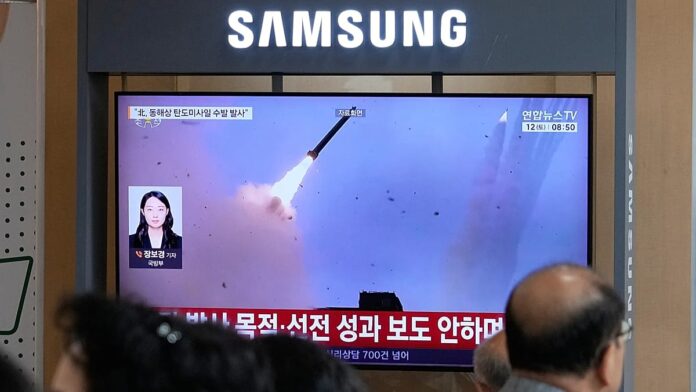
The MDL crossing marked the first physically confirmed border violation of its kind in 2026, a year in which North Korean military activity has taken the form of missile launches rather than ground incursions. North Korea fired a ballistic missile toward the East Sea on August 12, its 11th launch of the year, in what South Korean defense analysts described as a demonstration timed to the approaching drills. Last year, North Korean troops crossed the MDL 17 times, according to South Korean military figures. Before Saturday’s disclosure, the 2026 count stood at zero.
Whether the latest crossing was accidental or deliberate is a question neither government has answered. The MDL runs 248 kilometers across the peninsula, marked in places by signs, wire, and surveillance equipment but not always visible at ground level in forested mountain terrain. Patrols on both sides operate close to the line as a matter of course. South Korea’s Joint Chiefs described what happened and offered no assessment of intent. As TRT World reported, the North Korean embassy in Singapore did not respond to requests for comment.
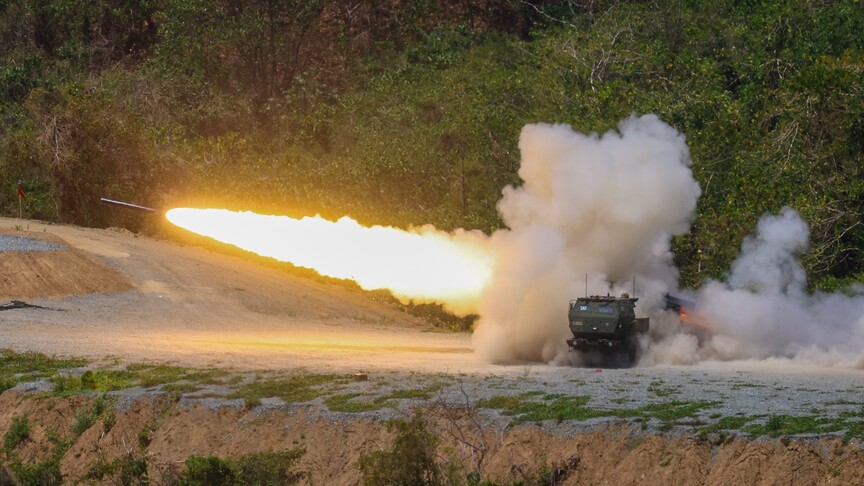
North Korea’s most recent public statement before the incident concerned the exercises themselves. Pyongyang characterized Ulchi Freedom Shield as “aggressive” military preparation and warned it would respond with “stronger deterrence measures” if the drills proceeded. That threat, issued through official state media in the days before the exercises, named no specific response.
The disclosure placed President Lee in an uncomfortable position. His Liberation Day peace proposal had offered Pyongyang economic incentives in exchange for denuclearization steps, framing engagement as the route to formally ending a conflict that technically continues under the 1953 armistice. The MDL report, disclosed 24 hours later, illustrated how far the two sides remain from the conditions under which such a treaty becomes negotiable. Pyongyang did not respond to the peace overture. It also did not respond to the warning shots with further escalation.
United States Forces Korea, which organizes Ulchi Freedom Shield with the South Korean military, did not confirm or address Yonhap’s reporting. The exercises are a standing feature of the annual military calendar, conducted under various names and configurations since 1976. North Korea has protested every iteration; the drills have never been cancelled in response.
Kim Jong Un’s Liberation Day message to Moscow was not limited to ceremony. North Korea and Russia have deepened their partnership materially over the past two years, with North Korean weapons deliveries to Russian forces documented by South Korean and Western intelligence services. Kim described “blood bonds” between the two countries and expressed confidence in their shared trajectory. That framing arrived the same morning Seoul was disclosing that his troops had crossed one of the most watched borders in the world.
The Korean Peninsula’s deterrence architecture has long rested on an assumption shared, if unspoken, by both governments: that neither side wants outright war, even as each continues the pressure and counter-pressure that has defined the armistice era since 1953. Saturday’s sequence confirmed the mechanism is still functional. North Korean soldiers crossed; South Korean forces responded within established rules of engagement; the soldiers left without incident.
Whether that architecture holds through the next eleven days, with tens of thousands of American and South Korean troops conducting large-scale exercises while North Korea watches from the northern bank of the MDL, is a question that a small, unremarked border crossing on a public holiday has now made newly relevant.