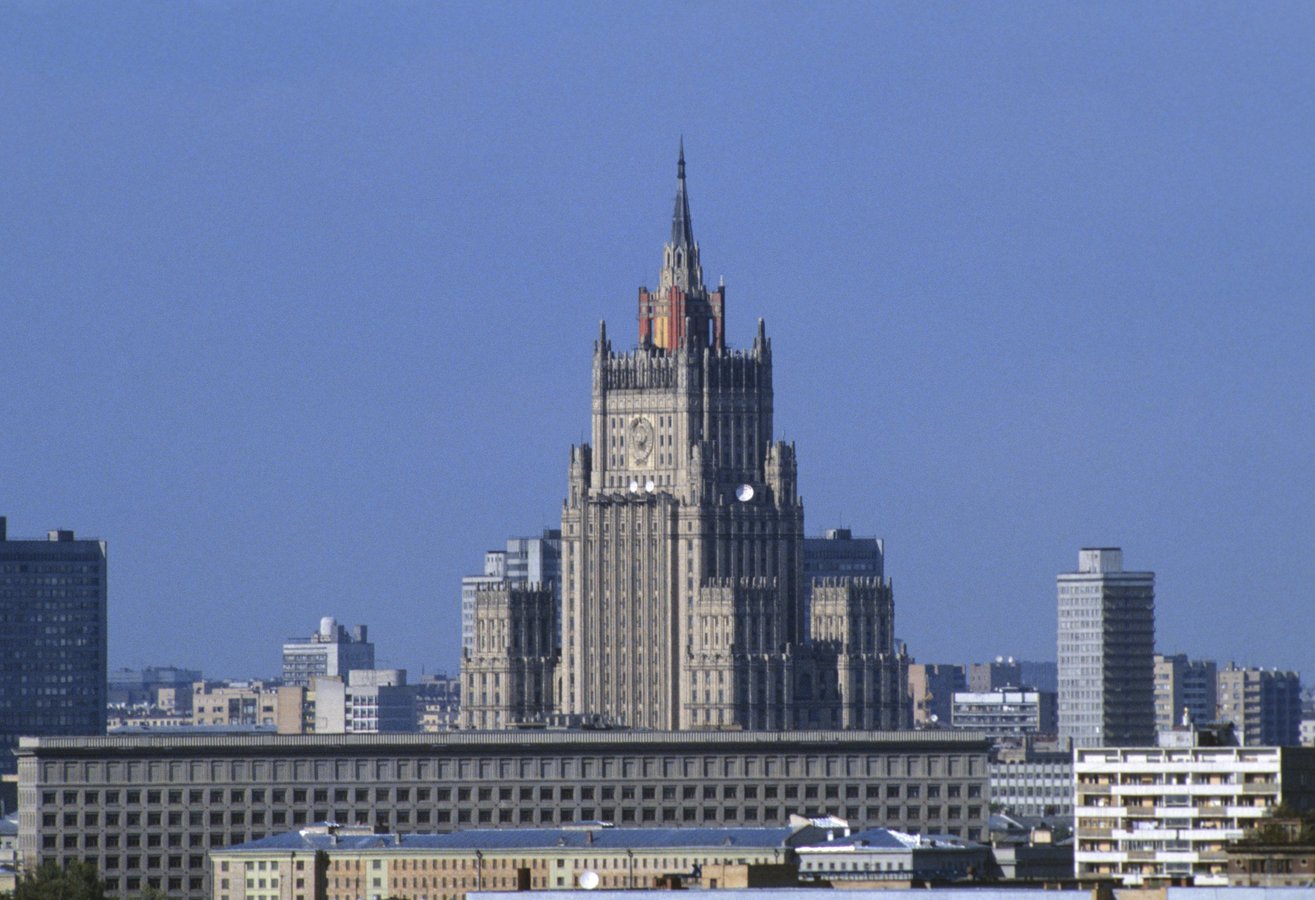

MOSCOW — Russia’s Foreign Ministry said Thursday that the number of European governments publicly acknowledging they cannot sustain indefinite support for Ukraine is growing, a characterisation offered without naming specific countries or providing any supporting documentation.
Foreign Ministry spokesperson Maria Zakharova made the assertion at her weekly briefing in Moscow, framing the development as strategically significant even as she separately criticised the European Union for deepening its military involvement in the conflict through coordinated drone production orders distributed across member states.
“The number of countries admitting their inability to provide assistance to Kiev indefinitely is growing,” Zakharova said. The remark named no capitals, cited no statements from European officials, and was presented as a trend observation rather than a reference to any specific declaration or diplomatic exchange.
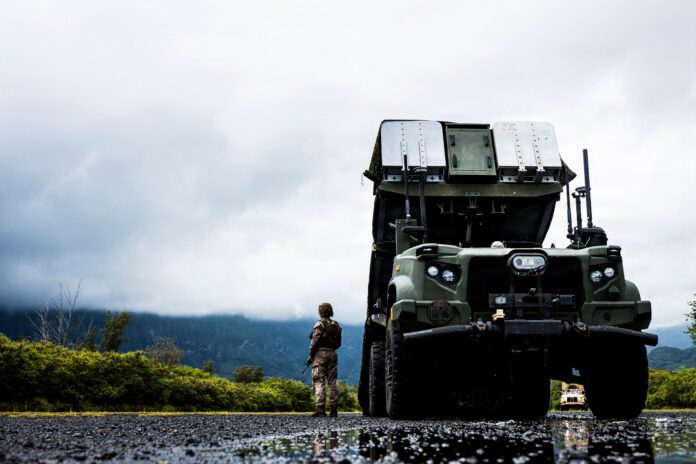
The EU’s expanding drone manufacturing framework — finalised in a pan-European production agreement earlier this month — represents the institutional mechanism through which Brussels has sought to shift from one-off weapons transfers toward sustained industrial supply. Zakharova’s simultaneous criticism of that arrangement alongside her assessment of growing member-state fatigue points to a tension she appears to be actively amplifying: European institutions deepening their commitments while individual governments are, by her account, quietly questioning whether those commitments can hold indefinitely.
European support for Ukraine has not collapsed. The most concrete recent signal of a European partner reaching a political limit came from Warsaw: Poland suspended weapons deliveries to Ukraine this week amid a bilateral dispute over transit and trade arrangements. That suspension was rooted in a specific political friction rather than a broader inability to fund the effort. France, Germany, and EU institutional bodies have maintained stated commitments to long-term support, and the June drone agreement was structured on the premise that supply would continue past the near term.
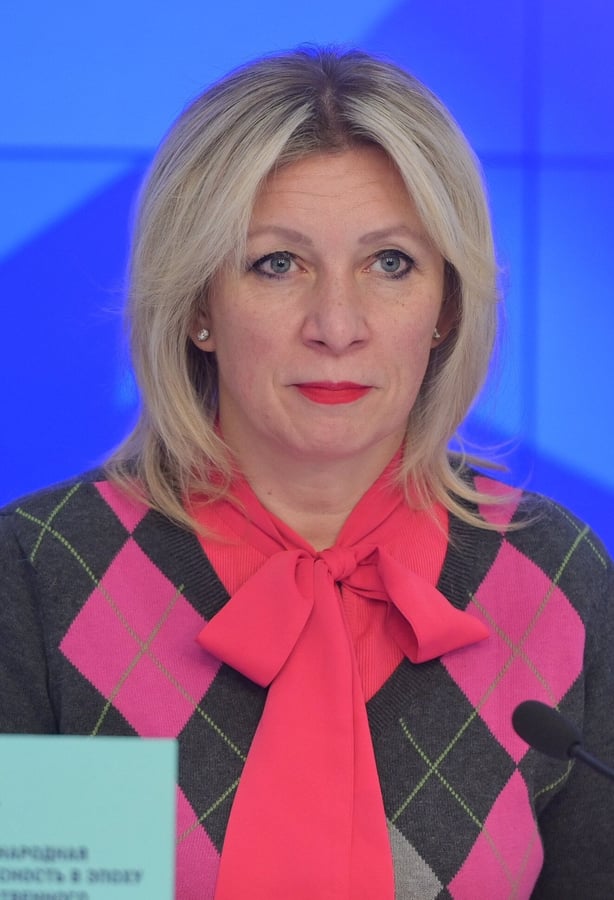
Zakharova did not reconcile those two realities. The Foreign Ministry offered no account of how growing individual-state hesitation coexists with expanding EU institutional commitments — whether the states privately admitting limits are the same ones signing production contracts, or whether the trend she described is confined to smaller members with tighter defence budgets. That gap means her characterisation cannot be verified or falsified from Thursday’s briefing alone.
The backdrop to the claim matters independently of how Moscow frames it. European support for Ukraine has operated at a tempo not designed for a conflict of this duration. Defence inventories across several member states have been managed under drawdown conditions that were never planned to extend this far. The shift toward industrial production frameworks — including the EU drone expansion — reflects an acknowledgment that redirecting existing stocks is not a long-term solution. That institutional adjustment does not contradict continued commitment; it is, in one reading, evidence that European governments intend to sustain it. Zakharova’s framing and that reading point in opposite directions.
Russia’s foreign policy communications have consistently sought to project a narrative of European fragmentation, sometimes ahead of real shifts and sometimes not. The pattern has operational importance because Moscow’s assessment of European staying power shapes its own judgments about the conflict’s trajectory. An assessment that overstates fracture can produce miscalculations with real consequences; one that accurately tracks genuine political limits gives Russian planners a different range of options. Thursday’s briefing did not clarify which of those is actually occurring.
What remains missing is specificity. No European capitals were named. No official statements from European governments were cited. No timeline was offered for the trend Zakharova described. The claim that more EU countries are admitting limits on Ukraine support rests, for now, entirely on the Foreign Ministry’s assertion.