
DOHA – One Qatari civilian was killed by Iranian shrapnel on June 28. Three days later, Qatar hosted the American and Iranian delegations and released a communiqué describing “positive progress.” That interval is the clearest illustration of what the Islamabad MoU framework is and is not: a diplomatic structure in which both parties can exchange fire and then exchange pleasantries without either act invalidating the other.
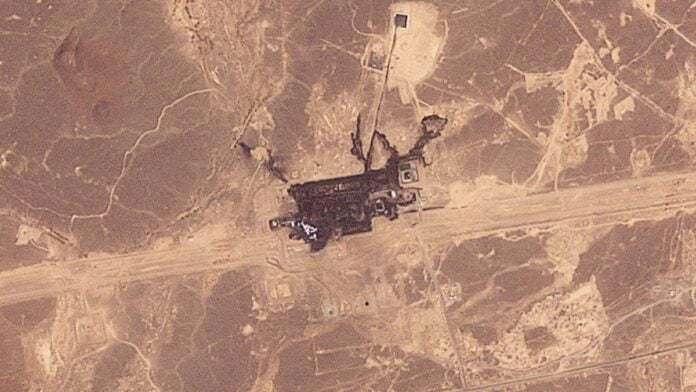
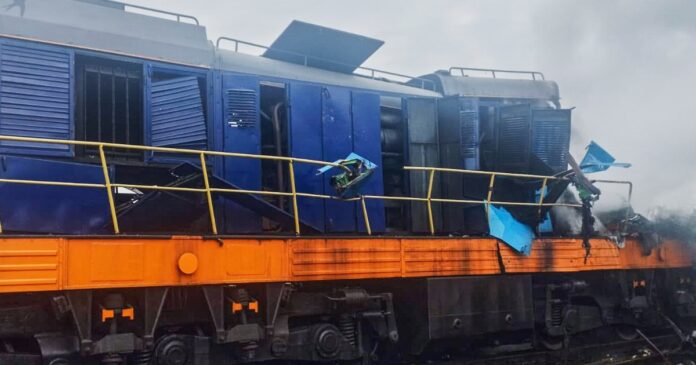
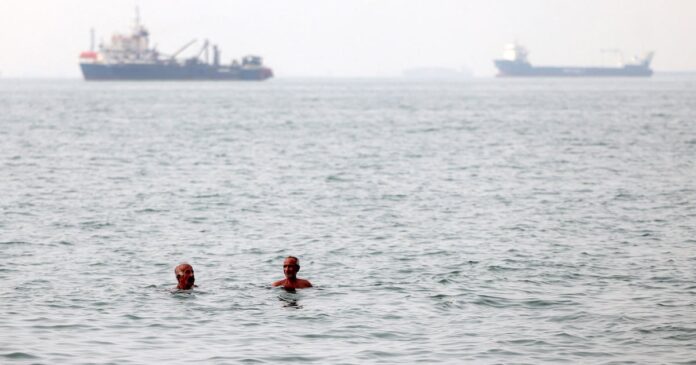
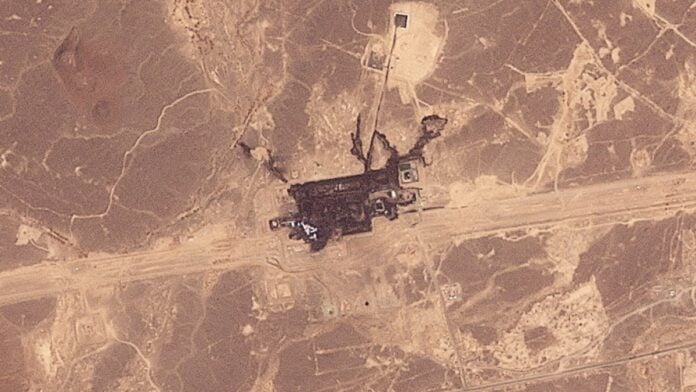
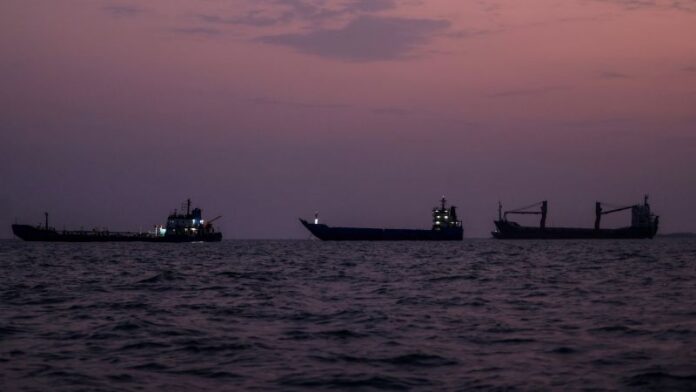
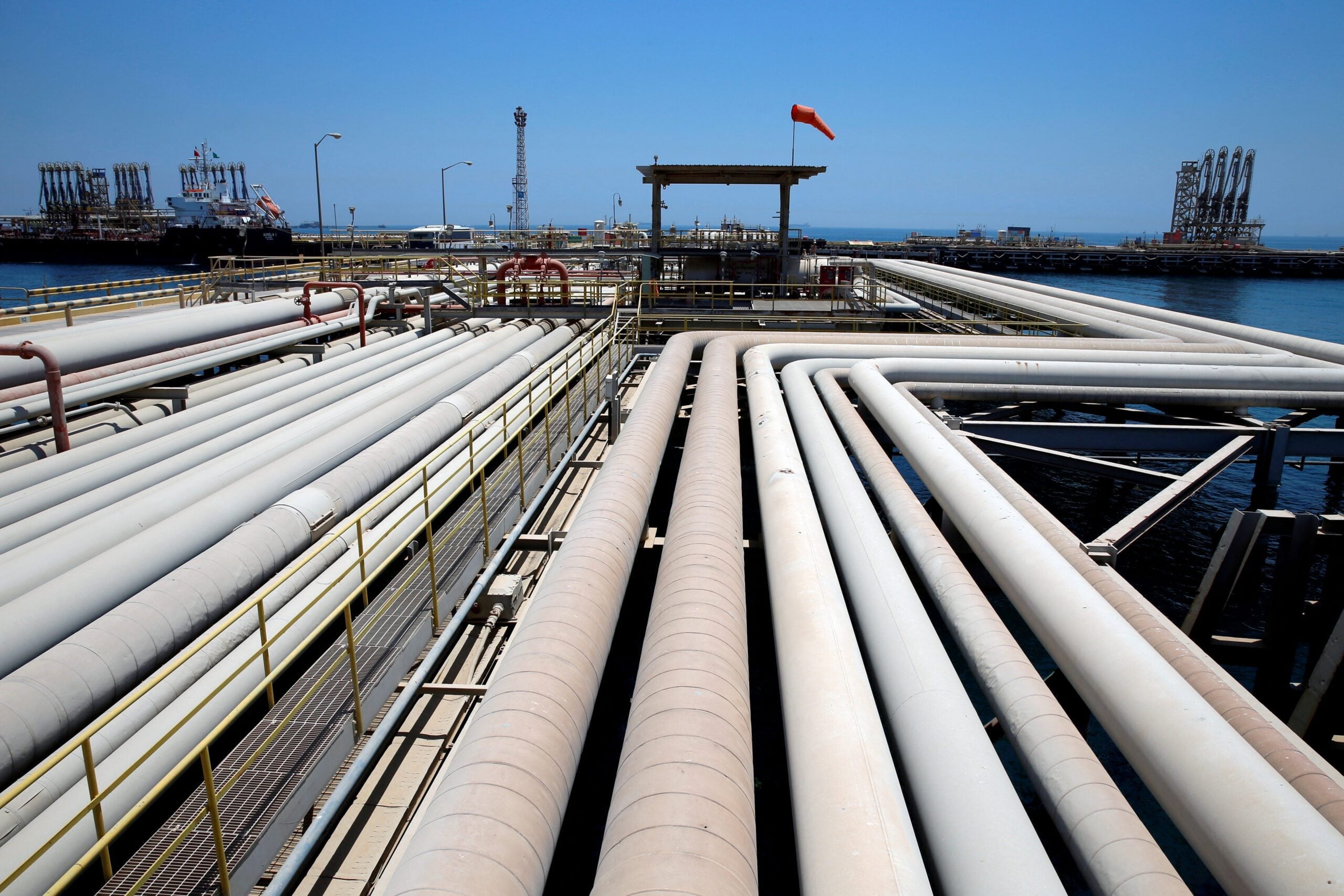
The exchange began on June 25, when an Iranian drone struck the Ever Lovely, a container vessel in the Strait of Hormuz. CENTCOM responded on June 27 with strikes targeting Iranian military infrastructure at Qeshm island, Sirik, and Bandar-e Lengeh – port and logistics facilities the IRGC had been using to enforce the Hormuz toll corridor. A Panamanian-flagged tanker, the Kiku, carrying approximately two million barrels of crude oil, was struck during the exchange, as reported by NPR. It was the first direct US strike on Iranian military infrastructure since the Islamabad MoU was signed June 17.
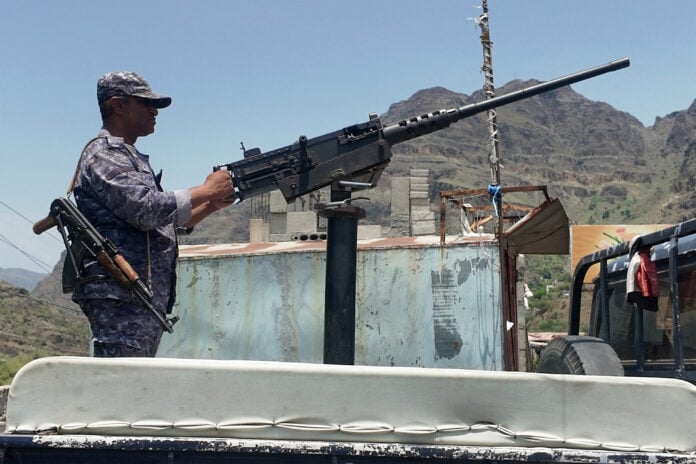
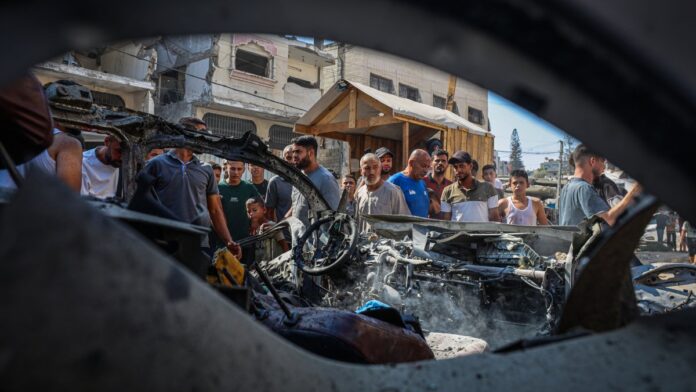
Iran’s response was the heaviest military action the MoU window had produced. The IRGC launched ballistic missiles and armed drones at Ali Al Salem airbase in Kuwait, a primary US installation in the Gulf, and at Port Salman and Fifth Fleet facilities in Bahrain. CENTCOM counted ten Iranian military targets engaged by the time the exchange concluded. The Qatari civilian who died was in Kuwait at the time. A second casualty, described as an Arab resident, was wounded. Gulf states – including Qatar – issued official condemnations through diplomatic channels. Al Jazeera reported Iran’s targeting extended to the Fifth Fleet’s Bahraini anchorage, the most fortified US naval position in the region.
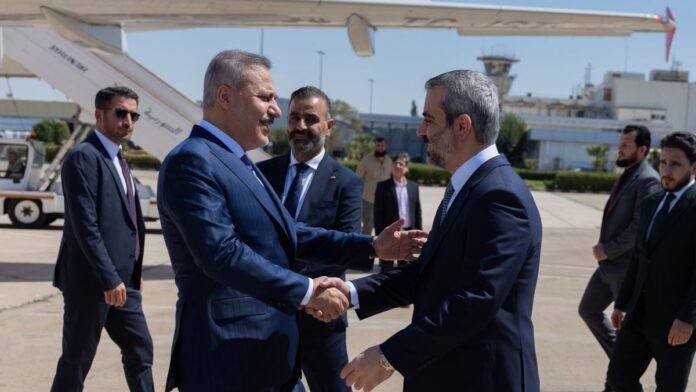
Three days later, the US and Iranian delegations met in Doha. Qatar’s readout used the phrase “positive progress.” A communications hotline was agreed. Movement was recorded on frozen Iranian assets. The Hormuz toll question ended without resolution. The June 28 exchange does not appear in either delegation’s public readout from the session. The Qatari casualty is absent from every communiqué. Whether either item was raised in the room has not been disclosed by any party.
The Islamabad MoU does not contain a ceasefire clause. The framework establishes a 60-day diplomatic window with parallel conditions – Iranian corridor management in the Strait of Hormuz, a US sanctions waiver through August 21 – but does not prohibit military action. The June 25-28 sequence is therefore not a violation of the agreement’s published terms. It is, more precisely, a demonstration of what those terms permit: both sides can escalate militarily and then proceed to the next scheduled diplomatic session without either act canceling the other.
The Doha round had already deferred the Hormuz toll question and the nuclear inspection file before the June 28 exchange began. What the military escalation adds is not a new complication but a clarification of the framework’s operating logic: the diplomatic calendar and the operational calendar are running concurrently, and the MoU provides no mechanism for one to pause the other.
IRGC commanders followed the exchange with public warnings of a “forceful response” to any further CENTCOM strikes, using language that did not reference the ongoing diplomatic process. The Doha delegations continued their preparation for the July 1 session on a separate channel. Iran’s military posture and its diplomatic posture were communicated through entirely separate public voices, with no coordination visible between them.
The exchange establishes a threshold. Both sides now know what a major military escalation within the MoU window looks like: ten CENTCOM strikes, Iranian ballistic missiles at two Gulf installations, one foreign civilian killed on a third country’s soil, and a “positive progress” communiqué 72 hours later. If that level of escalation can be absorbed without breaking the diplomatic process, it sets a floor for what the framework treats as tolerable. It also assigns Gulf states hosting US military infrastructure – Kuwait, Bahrain, Qatar – a passive role in a military-diplomatic structure none of them signed.
Qatar’s position is where the structural irony is sharpest. Qatar hosts the talks. A Qatari citizen died from Iranian ordnance three days before the most recent session. Qatar’s condemnation of the strikes was issued through the same diplomatic apparatus that produced the “positive progress” readout. Neither statement acknowledged the other publicly. What the Qatari government said to the Iranian delegation about the casualty – if anything – has not been disclosed.
The MoU window runs to August 21. Three of its most consequential files – Hormuz recognition, IAEA access, and the asset formula – remain unresolved. The June 28 exchange is the kind of event that shapes the working assumptions each side carries into the next session: what the other side will absorb, what it will retaliate for, and what the framework actually constrains. That calculation has now been tested once. There are 45 days left to find out how many more tests it will hold.