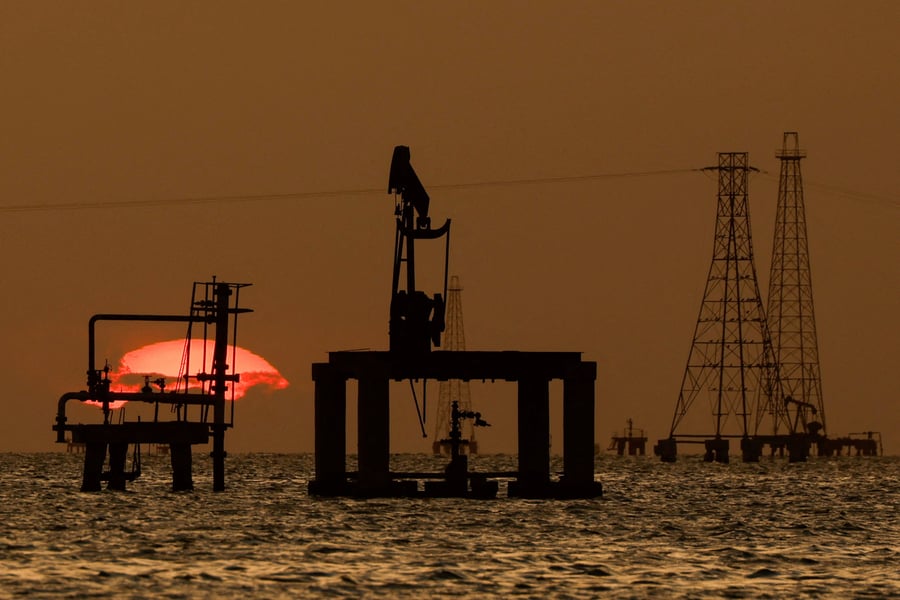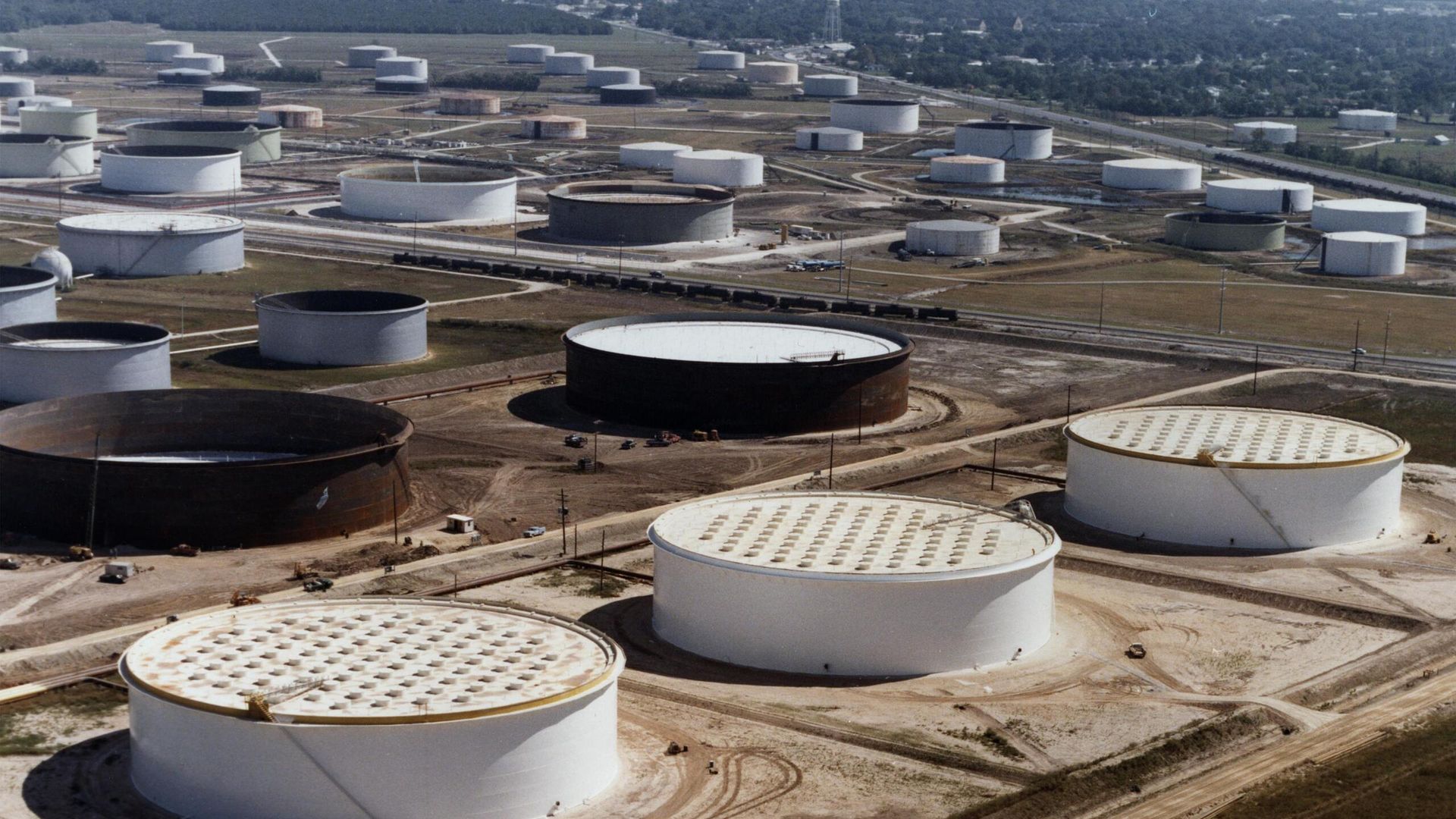

WASHINGTON — When the next oil shock arrives, the United States may not be able to answer it at full strength. The Strategic Petroleum Reserve, the world’s largest emergency crude stockpile, stood at 325.655 million barrels as of June 26, the lowest level since May 1983. That number alone would qualify as an alert. More than a quarter of that oil is physically inaccessible, blocked by failing pumps, corroded pipes, and underground salt caverns that have deformed beyond their operational parameters, according to internal government documents reviewed by Sputnik.
The finding means the actual emergency capacity of the American energy backstop is smaller, and slower to deploy, than any headline barrel count conveys.
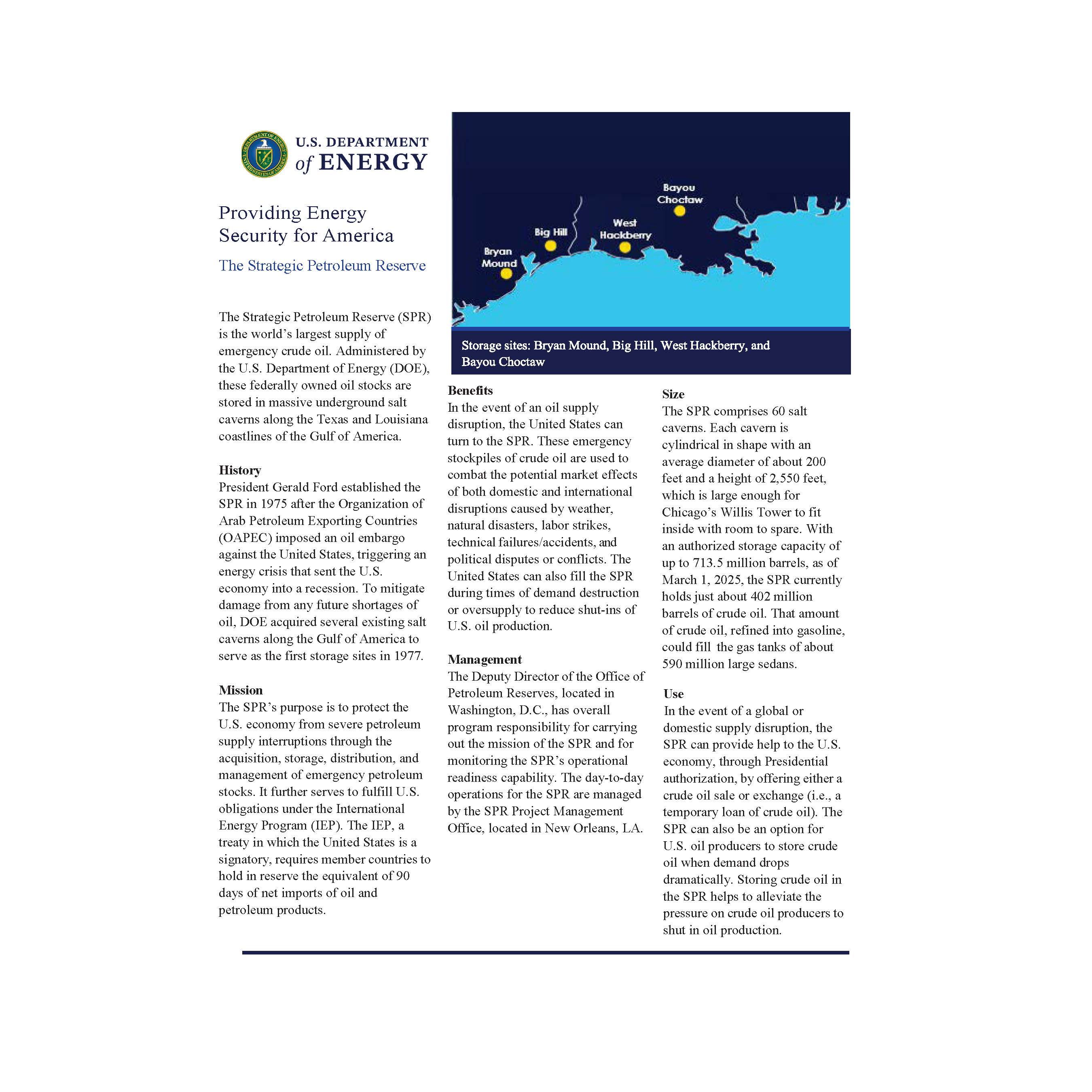
The reserve is housed in four salt dome complexes along the Texas and Louisiana Gulf Coast: Bryan Mound, Big Hill, West Hackberry, and Bayou Choctaw. Together they are capable, by original design, of withdrawing up to roughly 4.4 million barrels per day in a declared energy emergency. That design rate no longer holds. Government Accountability Office documents indicate that withdrawal capacity has fallen to 61 percent of design specification. Injection capacity, the ability to pump crude back in and replenish the stockpile, stands at 56 percent. Getting the infrastructure back to its intended operating standard would cost an estimated $230 million, a figure that has not been appropriated.
The depletion reflects a cascade of decisions that accelerated under two consecutive crises. In 2022, the Biden administration authorized the release of 180 million barrels in coordination with the International Energy Agency, the largest emergency drawdown in the reserve’s four-decade history, aimed at softening the price spike that followed the Russian operation in Ukraine. Global energy markets stabilized, prices eventually retreated, and the political window for refilling the reserve closed without full replenishment. The drawdown left the SPR at roughly half the level it held before 2022.
Then came March 2026. As Iran tensions in the Strait of Hormuz tightened and Brent crude climbed above $90 a barrel, Washington authorized a second extraordinary release of 172 million barrels to cool energy prices and signal to markets that the United States could absorb the disruption. The combined effect of both drawdowns, measured against the refill that did not follow the first, has brought the reserve to its current level: the thinnest emergency buffer the country has carried since Ronald Reagan’s first term.
Oil prices have since retreated. Brent was trading near $71 this week, pulled lower by diplomatic signals from Iran-United States talks in Doha and a recovery of traffic through the Strait of Hormuz, as TEH’s oil market coverage reported. The easing has removed immediate pressure on Washington to act, and with it much of the political urgency to address the SPR’s repair backlog.
That deferral carries risk. The IEA warned in May that global oil supplies were running critically thin as the Iran war’s disruption of regional energy flows narrowed markets’ buffer against further shocks. The SPR problem compounds that. A reserve nominally holding 325 million barrels is not the same instrument as one that can deploy at design speed and access all of its stored oil. An emergency that demands 2 million barrels per day of reserve releases would encounter, at 61 percent withdrawal capacity, a supply line to the market that may not keep pace with demand.
The specific caverns most affected by deformation are not identified in the documents reviewed by Sputnik. The mechanics of salt cavern geology mean that caverns left idle, or drawn down rapidly and then not refilled, can shift in ways that compromise the borehole integrity needed for reliable extraction. Repairing that kind of structural degradation requires engineering work that goes well beyond standard maintenance: remediation of the cavern walls, replacement or relining of wellbore casings, and in some cases the permanent abandonment of caverns that have deformed beyond recovery.
Energy executives made their concern explicit to Congress in June. Oil company representatives warned Trump administration officials and lawmakers that the country’s energy price shock exposure had grown sharply with each successive drawdown, pressing the administration to prioritize refilling over other uses of the reserve. The warnings were direct: the industry did not think the current level was adequate heading into the second half of 2026.
Whether the Department of Energy plans to address the repair funding in the current budget cycle is not known. The department has not publicly responded to the GAO findings described in the Sputnik reporting. A refill program would face a sequential question: whether to repair the failing cavern infrastructure first and then repurchase crude, or to run both tracks in parallel. That sequencing matters for the timeline of recovery, and for the acquisition cost if oil prices move materially while the decision is pending.
For now, the United States is carrying the lightest emergency oil buffer it has held in more than four decades, and a significant portion of that buffer cannot be mobilized at the pace the reserve was designed to provide. What the Department of Energy decides next, whether to fund the repairs, begin purchases, or defer both while oil prices are relatively low, will determine whether the SPR exits this period as a functioning emergency instrument or continues to erode toward a level at which it cannot absorb a serious shock.
No timeline has been announced.
Related Posts