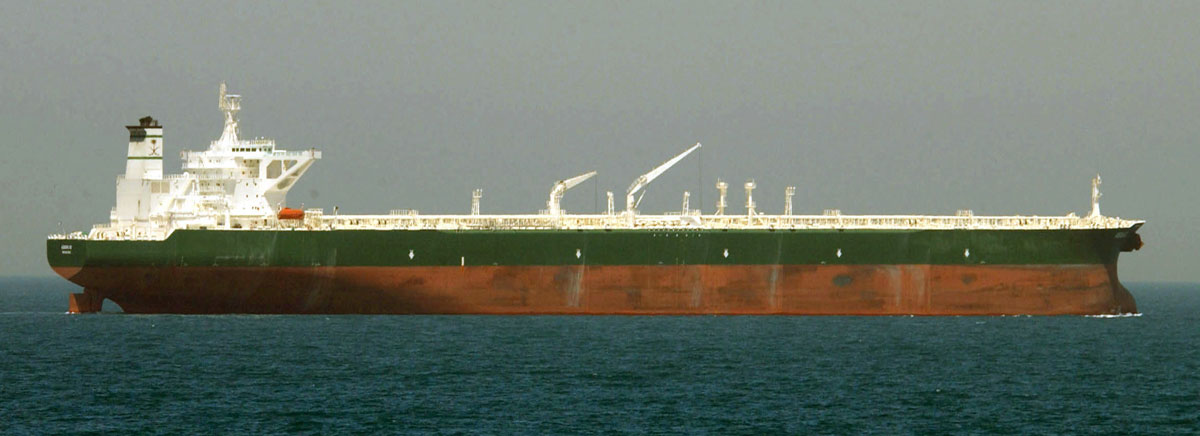

DOHA – The war premium that drove Brent crude above $126 a barrel in April has now erased itself almost completely. On Thursday, Brent futures settled near $70.82, their lowest since February 27 – the day before the United States and Israel launched military strikes on Iran and locked the Strait of Hormuz into months of disruption that reshaped global energy flows.
The catalyst was a statement from Qatar. Doha, which has been serving as the diplomatic conduit between Washington and Tehran, announced on Wednesday that US and Iranian officials had made “positive progress” in indirect talks aimed at resolving disputes over their memorandum of understanding. Donald Trump offered a characteristically optimistic gloss, telling reporters that “the denuclearisation of Iran is moving along well” – a framing Tehran has consistently rejected, since its foreign ministry positions the talks as addressing sanctions relief and the Hormuz transit regime, not Iran’s nuclear capabilities.
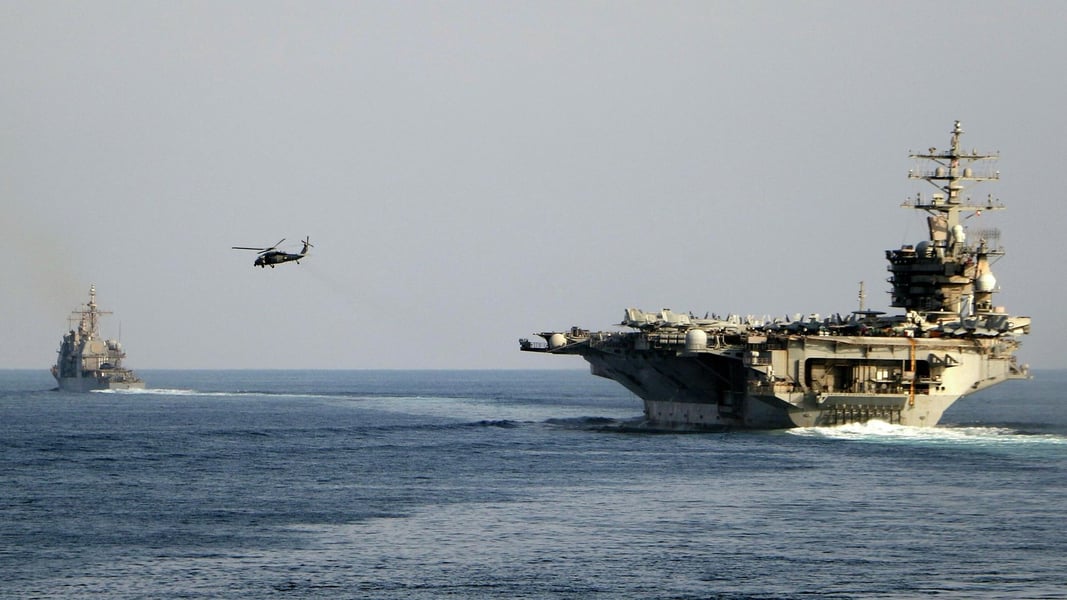
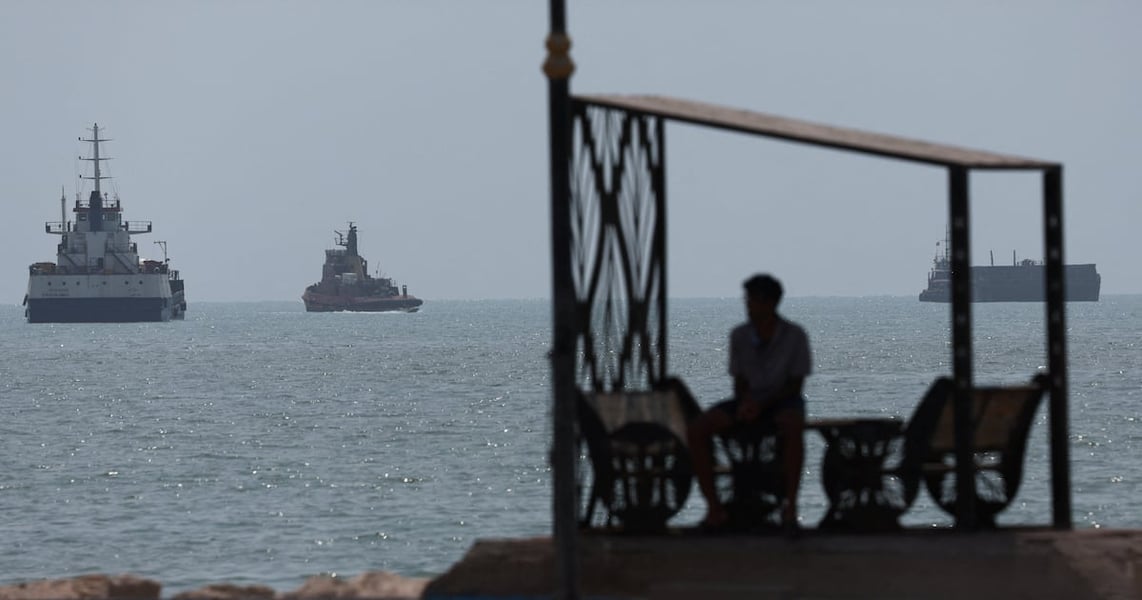
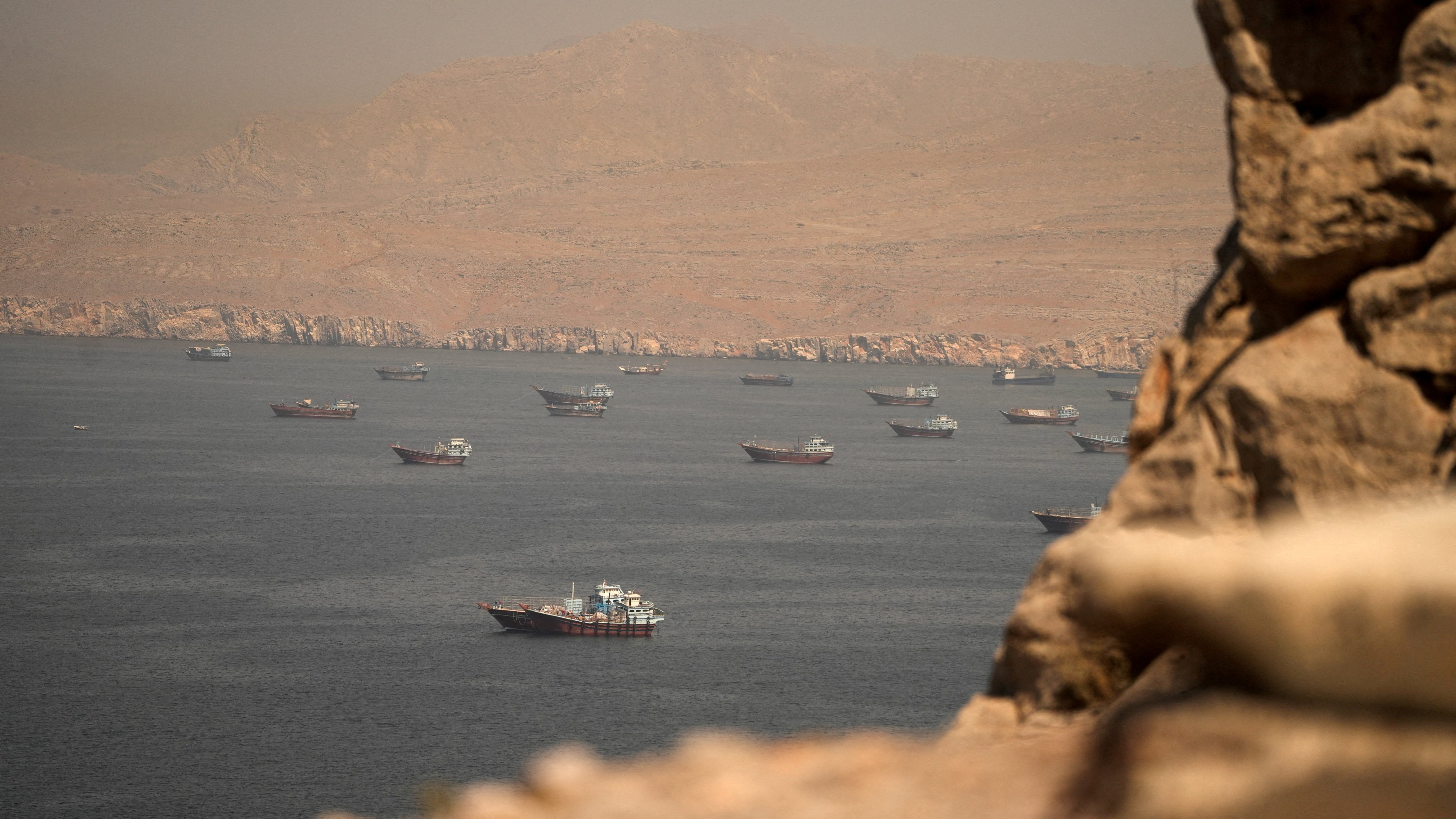
The Hormuz maritime numbers offer some grounding. Thirty-five tankers exited the strait on Thursday, approaching the pre-war baseline, though analysts caution that single-day transit counts fluctuate sharply in the current environment. The strait was averaging roughly 130 daily crossings before hostilities began on February 28. At the conflict’s worst point, that figure fell to single digits, with at least 49 attacks on commercial vessels recorded since the war began.
Oil’s 38 percent drop from its April 30 peak – the single-largest war-driven price spike since Russia’s 2022 operation in Ukraine – reflects investor conviction that the conflict is winding down. That conviction is not without foundation. It is running ahead of the unresolved details.
“Cautiously optimistic geopolitical sentiment” combined with increased Gulf oil flows has driven prices lower, Vandana Hari of Vanda Insights wrote in a note Thursday, as Al Jazeera reported. She added that “several key issues in the MoU remain unresolved” and that the two sides appear to have “backed off confrontation on the issue of the interim Hormuz transit regime – at least for the time being.”
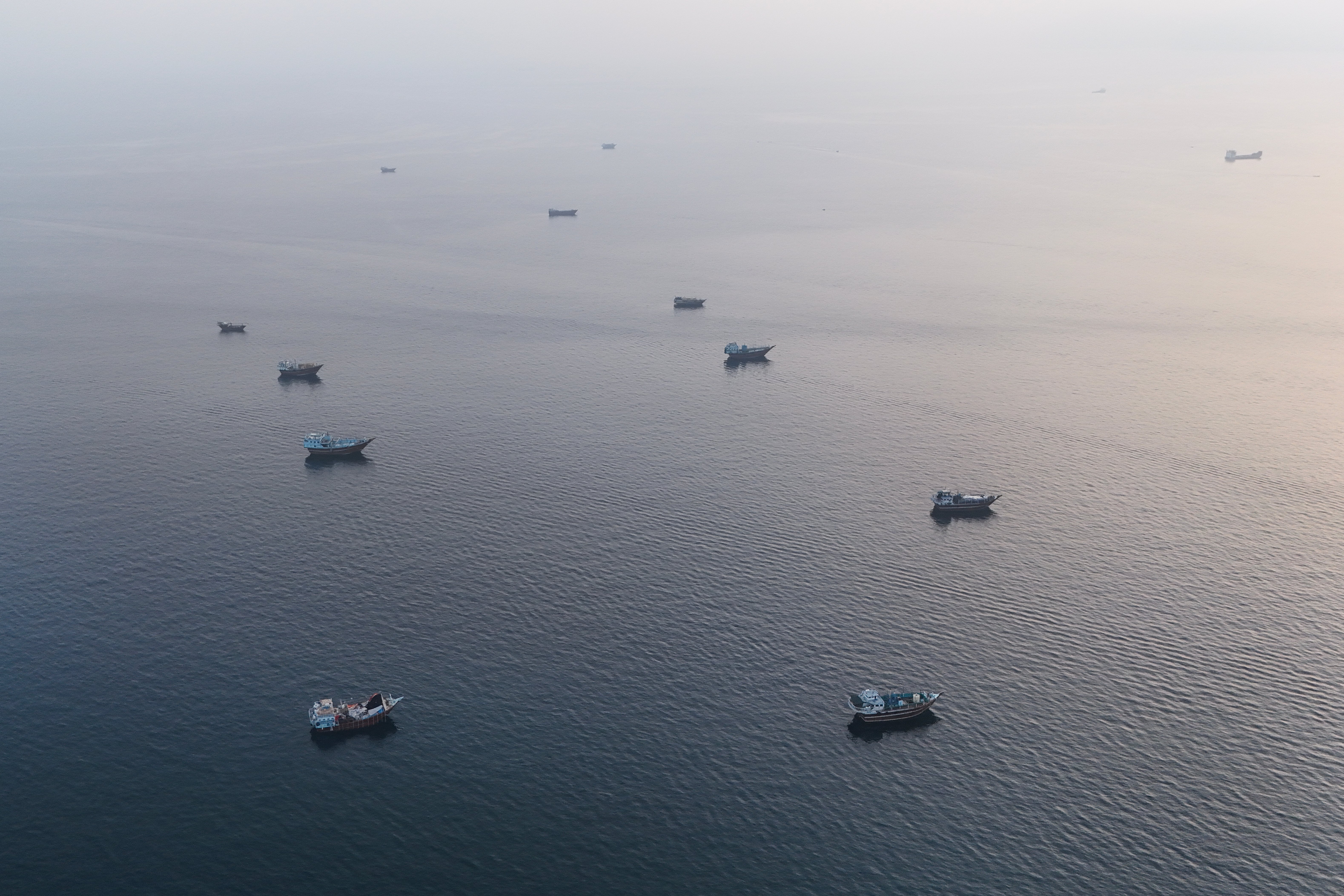
The August 21 deadline is the central pressure point. The US sanctions waiver that enabled Iran to export crude without triggering penalties expires that day. No public announcement from the Doha talks has addressed whether that waiver will be extended, reduced as leverage, or converted into something more permanent. Iran has already loaded 58 to 68 million barrels of crude onto tankers since the waiver began. More than 90 percent of those cargoes have no confirmed destination – a stockpile building toward a market that may not yet know what to do with it.
The reason is structural. China, which before February 28 was absorbing the majority of Iranian discounted crude, dramatically reduced Iranian oil imports when Hormuz shut down, pivoting to Russian, Kazakhstani, Brazilian, and Venezuelan supply chains instead. That shift does not unwind overnight simply because Hormuz is now navigable again. Eastern Herald reported earlier that Iran had sold 40 million barrels in the first two weeks of resumed exports, but the buyers, the prices, and the discount terms remain only partially disclosed.
Morgan Stanley cut its oil price forecasts this week, warning of oversupply risk if Iranian supply returns to full volume while China continues relying on alternative sources, Al Jazeera’s market analysis noted. US crude production added to the pressure: it reached a record 13.934 million barrels per day in April 2026, and OPEC-plus has not moved to tighten output in response to the post-war price decline.
Neil Crosby of Sparta Commodities flagged what he called “many large moving parts,” a phrase that covers everything from the November US midterm elections – which could shift the domestic political incentive structure around Iran policy – to the fragility of the MoU framework itself. US forces conducted strikes on Iranian positions as recently as June 27, weeks into what was nominally a ceasefire period.
Iran’s positioning in all of this is more strategic than a simple market re-entry narrative suggests. The toll regime Iran imposed on commercial shipping through Hormuz – exempting Chinese and Russian vessels and charging $2 million per transit to others – created preferential access structures for Tehran’s key allies that persist regardless of whether the war premium dissolves. Iran navigated the conflict without capitulating on its core nuclear position and is now sitting on tens of millions of barrels of oil ready to export, in a market where its absence has already moved buyers elsewhere.
Qatar’s role as mediating state is not incidental to any of this. Doha has served as the back channel between Washington and Tehran through multiple crises. Its July 2 announcement of “positive progress” is the clearest public signal yet that the two parties are working toward something more durable than the MoU’s temporary framework. Whether that something can be finalized before August 21 will determine whether Thursday’s oil price represents a new equilibrium or a pause.
At $70.82, Brent crude has priced in a diplomatic outcome that neither Washington nor Tehran has confirmed. The market is ahead of the politics – which is another way of saying it has taken on more risk than the diplomats have yet resolved.
Related Posts