
TEHRAN – There is a price list for the Strait of Hormuz. China pays nothing. Russia pays nothing. India, Iraq, and Pakistan pay nothing. Everyone else pays $2 million – per crossing.
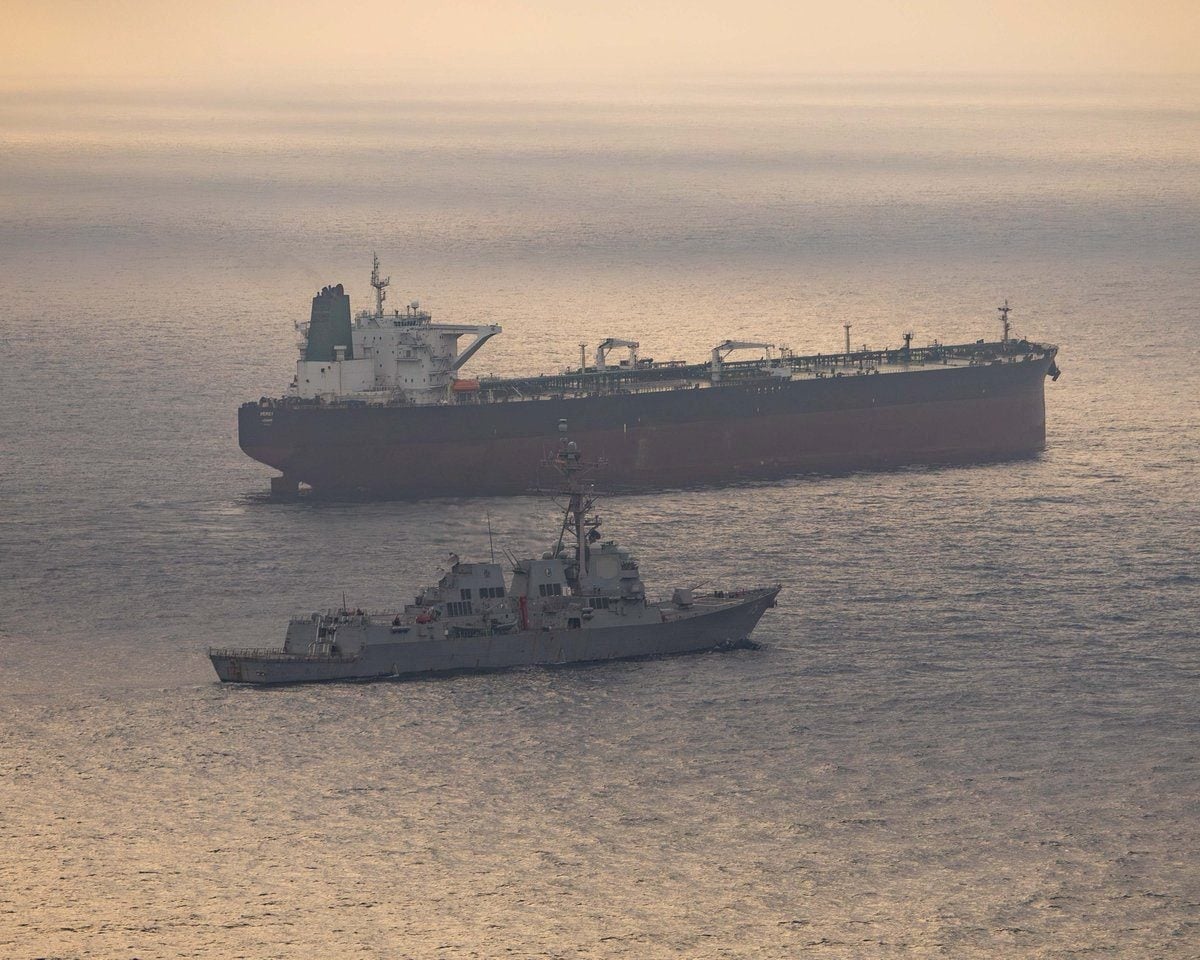
The Islamic Revolutionary Guard Corps began routing vessels through a corridor between Qeshm and Larak islands in mid-March 2026, vetting each ship’s nationality, ownership, cargo manifest, and crew list before granting or denying clearance. By late March, 26 vessels had used the corridor. At least two paid approximately $2 million each, settled in Chinese yuan. Payment in cash, Tether cryptocurrency, goods, and barter is also accepted, according to Iran’s parliamentary planning commission, which announced the toll system’s operational status to Fars News Agency in June. Iran’s Foreign Minister Abbas Araghchi set out the exemption list explicitly: vessels from China, Russia, India, Iraq, and Pakistan transit at no charge.
The exemption list is not a maritime services calculation. No member of Iran’s preferred five requires more navigational assistance, environmental protection, or vessel insurance services than any other. The list tracks geopolitical alignment: each country either purchases Iranian oil under sanctions-era arrangements, maintains active diplomatic positioning against US-led pressure, or both. The $2 million toll is the operational form of the same calculation. What Iran has done is convert its foreign policy preference matrix into a price at the chokepoint through which a fifth of the world’s daily oil supply normally moves.
US Secretary of State Marco Rubio has said the system cannot stand. “We’ve always said a tolling system in the strait would be unacceptable,” Rubio told reporters in May. “No one in the world is in favor of a tolling system. It can’t happen.” What Rubio has not said is how Washington will stop it. The IRGC corridor is operational and collecting. The Islamabad MoU, signed June 17, commits Iran to “best efforts” for toll-free passage during a 60-day window – but the five-nation exemption was already in place before the MoU was signed, and Iranian officials have not indicated the operational vetting process has been suspended during the diplomatic period.
Iran insists the word “toll” does not apply. The fees, Tehran says, cover navigational assistance, vessel insurance, and environmental protection – services jointly administered with Oman. Foreign Minister Araghchi has cited the Strait of Malacca as a precedent: cooperative maritime arrangements there charge for navigational services without constituting a toll on transit passage rights. The distinction matters legally. A transit passage right under UNCLOS cannot be conditioned on payment, but a fee for optional navigational assistance occupies different legal ground. Iran and Oman’s corridor framework has been presented as a cooperative navigational service, not a toll – the naming is load-bearing.
The “service” framing has a dimension that goes beyond revenue. Every vessel submitting its IMO number, cargo manifest, ownership structure, and crew list to IRGC intermediaries is handing Iran an intelligence snapshot of what is moving through the strait and who controls it. For a government that has spent years contending with sanctions evasion scrutiny and maintaining visibility over competing oil exporters’ shipping logistics, that transit data is independently valuable – separate from the $2 million per crossing.
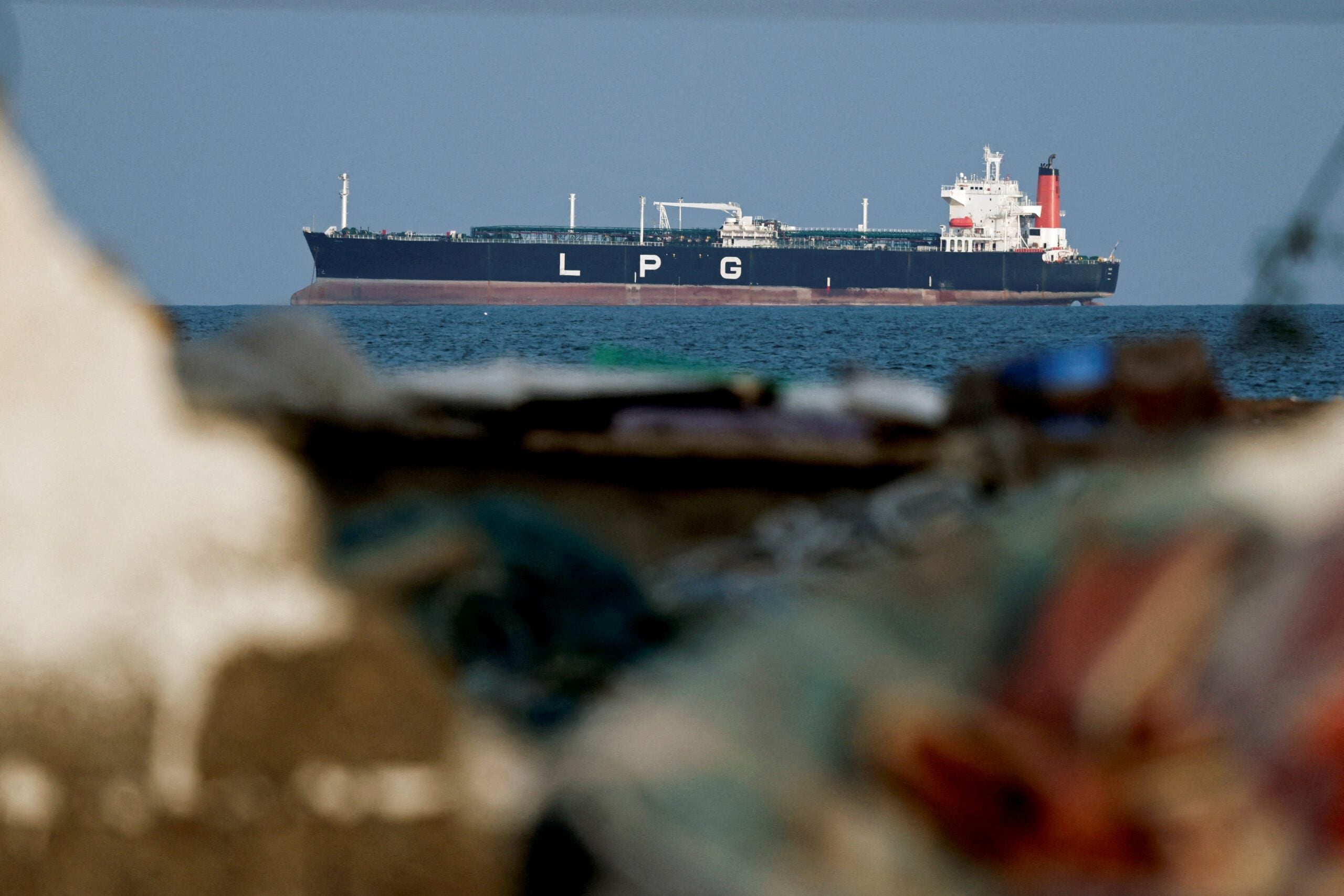
The operational toll collides with the Doha framework simultaneously. The Doha technical talks deferred the Hormuz framework question – the specific architecture of navigation authority, toll rights, and mine-clearance authorization that a final agreement would need to resolve. Iran’s position at those talks has been that a final agreement must formalize its maritime authority. The toll system treats that authority as already settled. Washington’s position is that the toll cannot exist under any final framework. The gap between what Iran is collecting operationally and what the US says it will accept in writing is the same gap that has kept the Hormuz clause unresolved through two rounds of Doha talks.
Parliament has not yet formally legislated the toll. Lawmaker Mohammadreza Rezaei Kouchi confirmed in March that parliament is pursuing a plan to “formally codify Iran’s sovereignty, control and oversight over the Strait of Hormuz, while also creating a source of revenue through the collection of fees.” The legislation has not passed. What has passed is the operational practice: the vetting system is running, the five-nation exemption is in effect, and the one-third shipping recovery through the strait is taking place against a backdrop in which the remaining two-thirds is deterred in part by this unresolved pricing question.
The $2 million charge is significant for a tanker operator but not prohibitive on a cargo worth many times that per load – painful relative to a Cape of Good Hope reroute adding two to three weeks per voyage, but not necessarily decisive. What it is at the political level is harder to absorb: a statement that Iran considers the strait to be administered sovereign territory, with a discriminatory price structure that reflects geopolitical alignment rather than maritime need. Rubio says it can’t happen. It is happening.