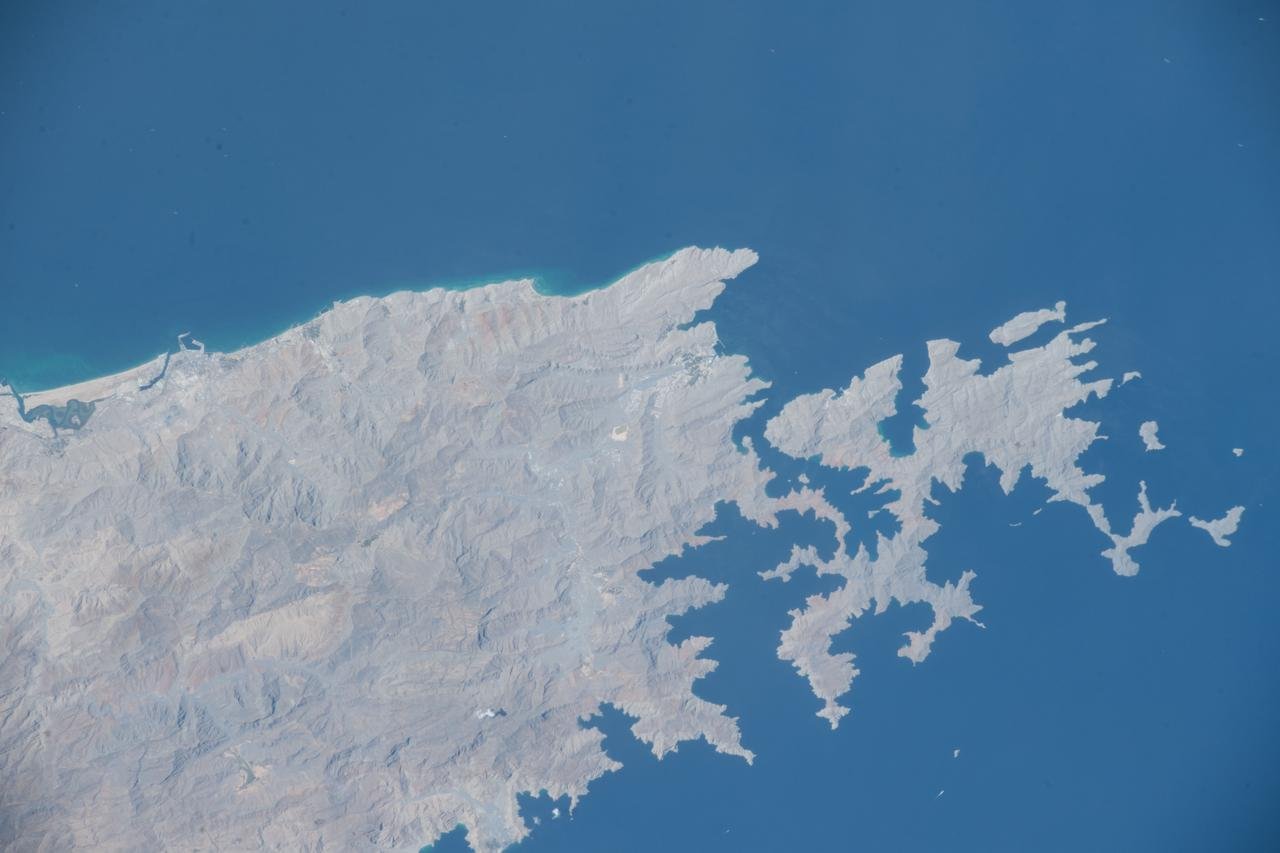

MUSCAT — The numbers that will matter when shipping companies send their first post-war tankers through the Strait of Hormuz are not simply the coordinates of a transit lane. They include, increasingly, the fees.
Iran and Oman confirmed Monday that new oversight mechanisms are being established for the waterway, with Esmaeil Baghaei, Iran’s Foreign Ministry spokesman, describing the arrangements as addressing safe navigation, environmental protection, and maritime crime prevention — and noting that “appropriate fees would be charged for all services provided.” The announcement came alongside reports that Iran’s parliament had approved a bill addressing what Tehran called “strategic measures to ensure the security and sustainable development of the Strait of Hormuz and the Persian Gulf,” with one member of parliament’s presiding board, Alireza Salimi, disclosing that legislators were also considering whether to ban vessels affiliated with the United States and Israel from passing through entirely.
Together, the developments amount to something more consequential than a negotiated reopening. Iran is positioning itself as the strait’s administrative authority — not the party that agreed to lift a blockade, but the sovereign that intends to govern passage through the world’s most important oil chokepoint on its own terms.
Baghaei confirmed that Iran and Oman had agreed on geographic coordinates for a shipping transit corridor through the Strait on August 5, resolving a question that had kept oil markets on edge for weeks. Reuters reported, citing three senior regional officials, that the arrangement could give Tehran authority over vessels transiting the waterway — a development the news service described as “one of the major concessions to Iran so far” and as representing “a major shift in the balance of regional power in Tehran’s favour.” The Strait was previously freely open to all ships with no fees. The monitoring mechanism Iran is now establishing with Oman would change that, an effective institutionalization of what began as a wartime blockade.
The White House’s stated position, relayed through Reuters on Sunday, is that the United States will lift the blockade of Iranian ports once a deal restoring “commercial shipping without impediments” is formally announced. The formulation is calibrated: Washington is offering port relief as the carrot, but the precise definition of “without impediments” is doing substantial work in the diplomatic text. If Iran’s monitoring fees and the threat of US-Israel vessel exclusions represent the new normal through which any deal will be implemented, the gap between what Washington believes it is getting and what Tehran is offering may be wider than either side has publicly acknowledged.
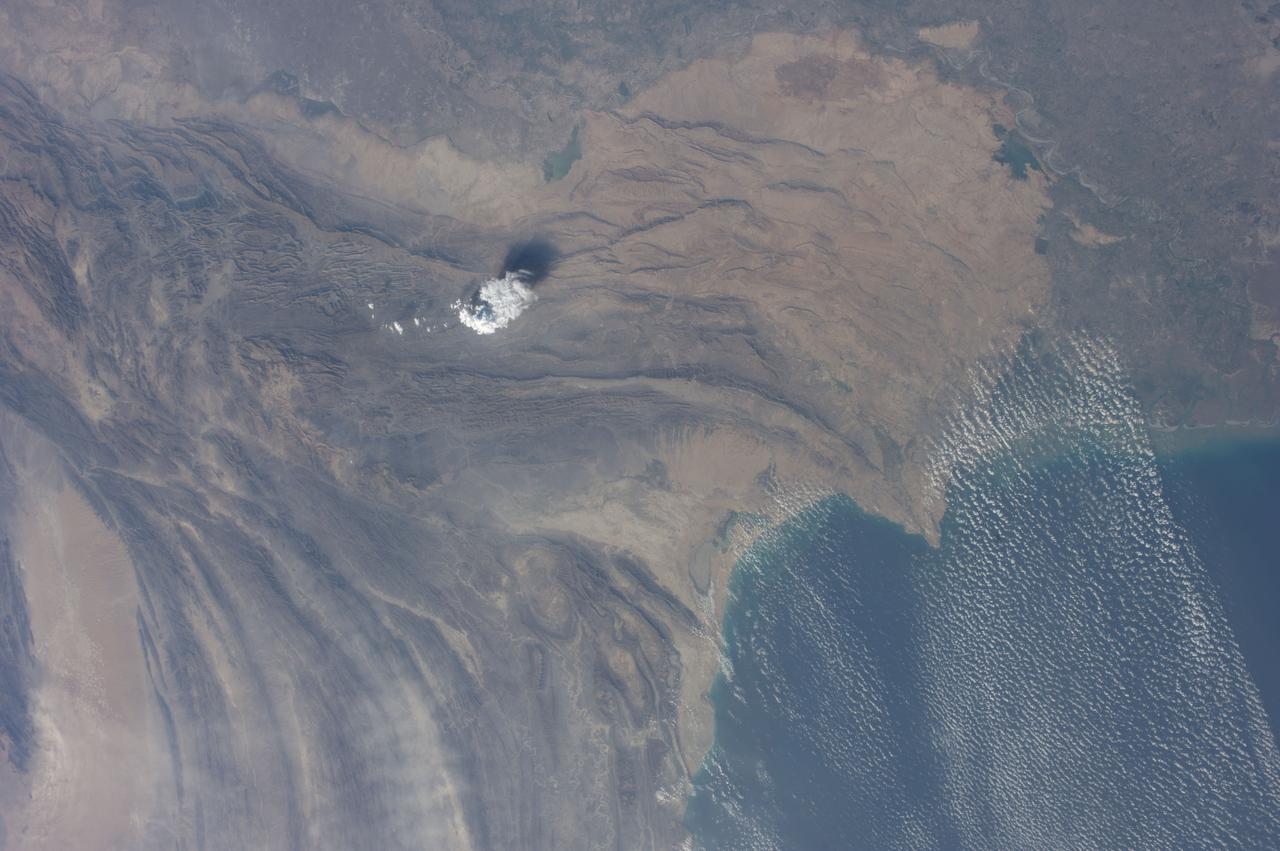
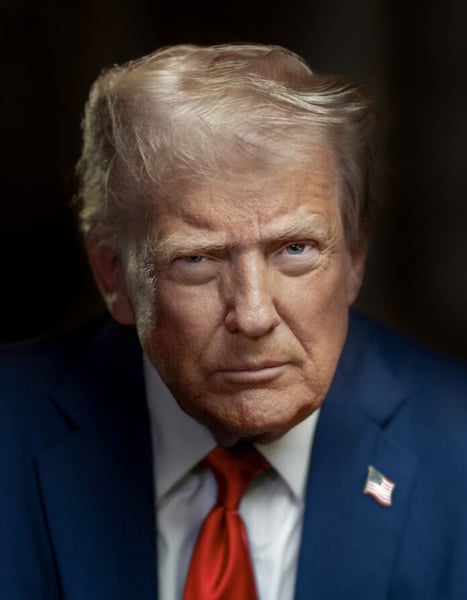
President Trump, speaking Monday, described the United States as “semi-negotiating” with Iran — a characterisation that, whatever its intent, accurately reflects the asymmetry of the current moment. Washington’s precision munitions stockpiles have been severely drawn down through the conflict; as Mearsheimer noted this week, the US has really seriously damaged its sophisticated weapons inventory and faces structural constraints on further escalation. Iran, by contrast, spent the June ceasefire period tripling drone production and retaining roughly 70 percent of its ballistic missile inventory, as Iran’s acting defense minister confirmed last week.
The Oman channel has been the consistent vehicle for whatever diplomatic progress has occurred. Muscat brokered the June 18 memorandum of understanding that Trump later declared void after Tehran resumed strait restrictions; it has been the relay point for indirect US-Iran talks throughout the conflict; and it is now the framework within which the transit corridor coordinates were agreed and the new monitoring mechanisms are being constructed. Oman’s position as a neutral interlocutor trusted by both Washington and Tehran has given it disproportionate influence over a negotiation whose stakes extend far beyond the region.
According to TASS, citing Reuters reporting, the US commitment to unblocking Iranian ports is conditional on Tehran fulfilling obligations to guarantee safe passage. What those obligations look like in practice — whether they include accepting Iran’s new monitoring fee structure, and whether the potential US-Israel vessel ban would be treated as compatible with “unimpeded” transit — remains the central diplomatic ambiguity in the current negotiation.
Iran’s parliament bill on Hormuz security, approved at committee stage on August 9, is not yet final law. Whether the US-Israel vessel ban provision survives to its final form is unclear. But its introduction during an active negotiation is not coincidental. Iranian legislators are signaling to Tehran’s own diplomatic team what the political floor looks like — and that floor includes a version of permanent Hormuz governance that goes well beyond returning the strait to pre-war status.
Oil markets gave their read on the situation Monday. Prices climbed on what traders described as a stalemate in the Strait, a formulation that captures the surface tension without the deeper structural shift beneath it. This is less a stalemate than a negotiation in which one side has quietly changed the terms of what “resolution” means.
The last time a major diplomatic reversal altered the trajectory of this conflict, Trump backed down from planned strikes on Iran after Saudi Arabia and Gulf states pushed back, a move that itself reflected the limits of American leverage when regional partners with direct economic exposure to the conflict are not willing to absorb the consequences. The current Hormuz negotiations are unfolding in the same constraint environment.
What is not yet settled is how Washington will explain the outcome to markets and allies if the deal that ultimately emerges includes Iranian monitoring fees, Omani co-management, and a latent threat of exclusion for US and Israeli vessels. The strait Iran agrees to reopen will not be the same strait it agreed to close. Whether the United States accepts those changed terms behind diplomatic language, or finds a formula to walk away, is the question the next phase of negotiations will answer — and no one yet knows which way that goes.