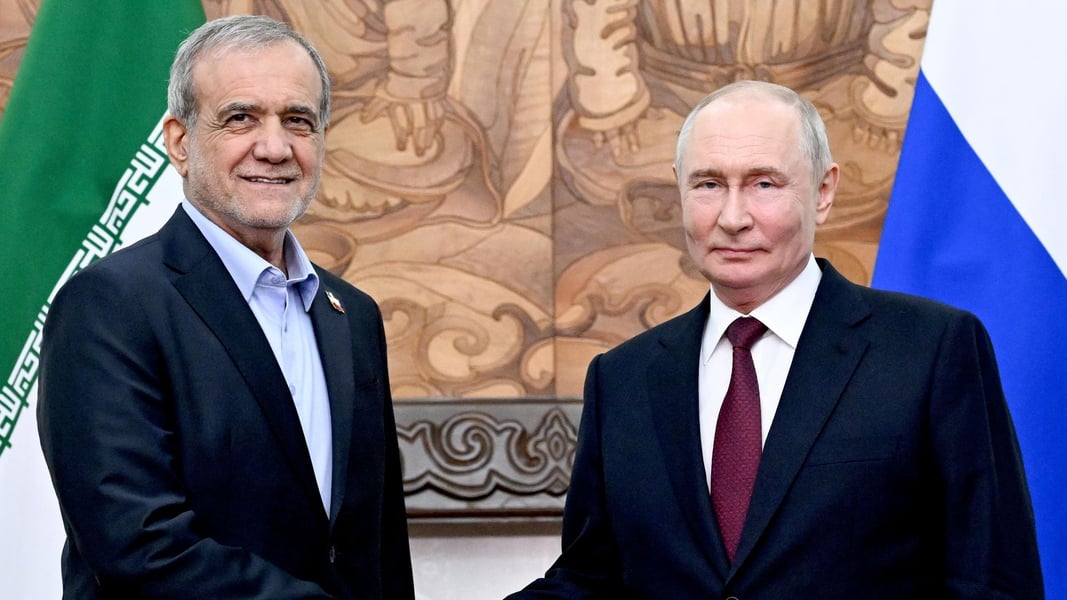

DOHA – Iran’s Deputy Foreign Minister Kazem Gharibabadi emerged from Qatar’s capital on Wednesday evening and said that by Thursday, a communication channel would be open between Tehran and Washington to record violations of the memorandum of understanding signed in June. The announcement was the most concrete output from two days of indirect talks between American and Iranian negotiators in Doha.
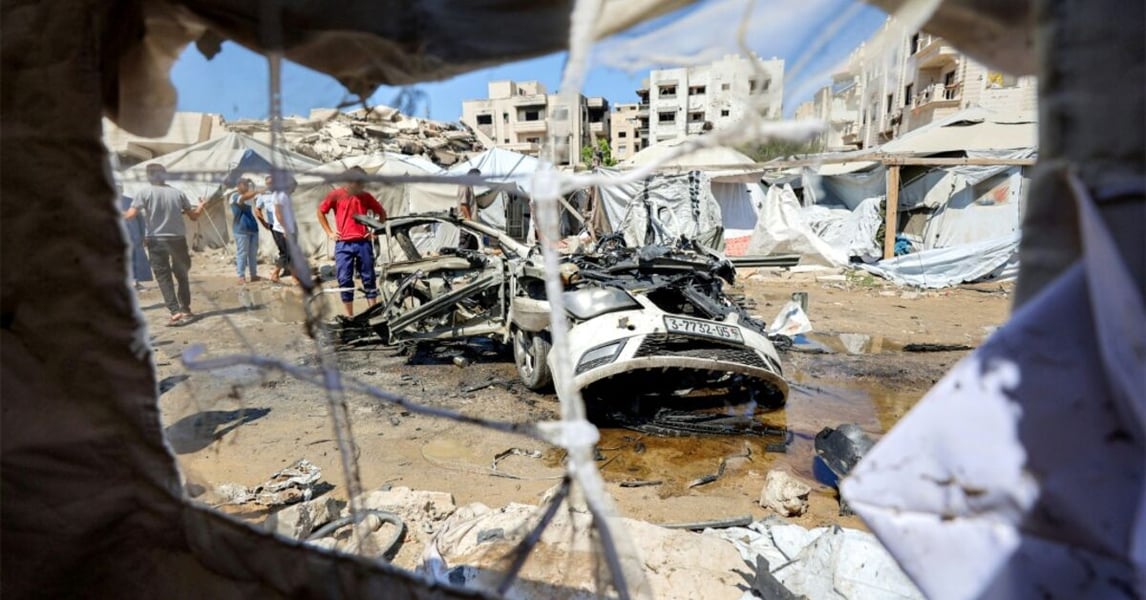
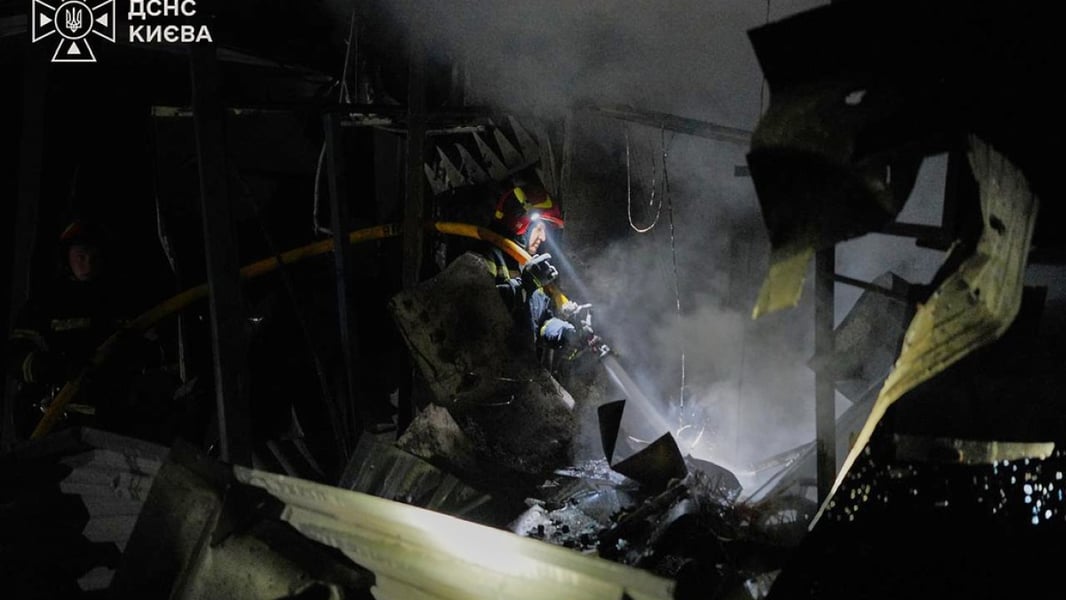
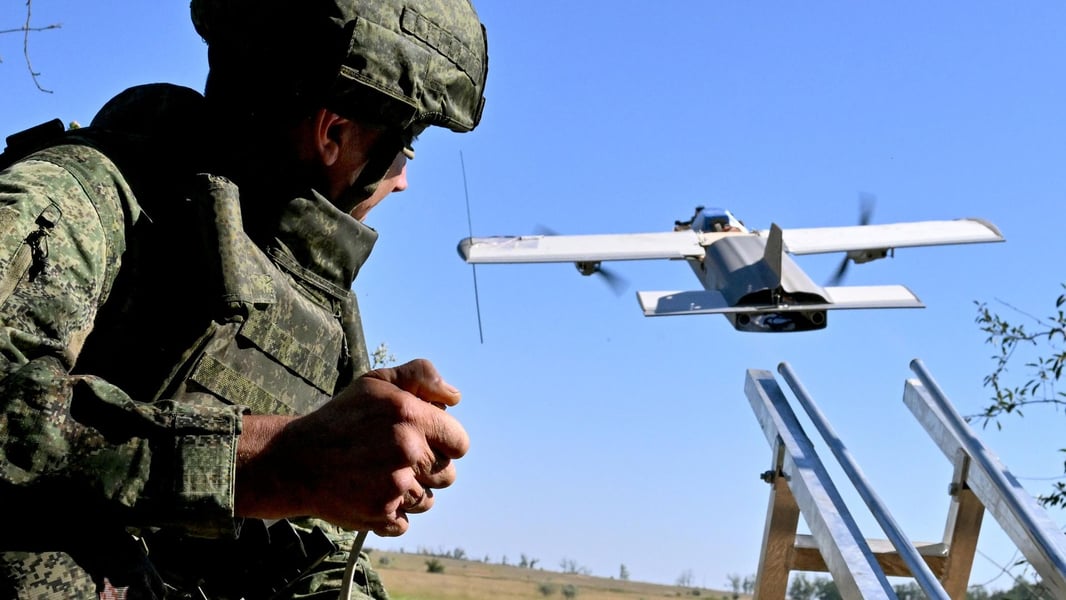
The channel solves a problem that has already occurred. On June 25, a suicide drone launched from Iranian forces struck a cargo vessel 7.5 nautical miles southeast of Dahit, in the IMO-Oman southern Hormuz corridor. The attack suspended United Nations evacuation efforts, produced several exchanges of fire, and triggered an informal week-long de-escalation understanding. There was no agreed mechanism at the time to formally lodge, acknowledge, or investigate the breach. The channel being established Thursday is the mechanism that should have existed on June 25.
The second concrete output from Doha was a financial arrangement. During meetings in Qatar that included the Qatari Central Bank, both sides reviewed the status of approximately $6 billion in frozen Iranian assets held in the country. Gharibabadi said an understanding had been reached: required goods would be purchased using those funds and made available to Iran based on Tehran’s stated needs. No timeline was given, no list of goods was disclosed, and the mechanism for verifying compliance was not described.
Both Qatar and Pakistan, serving as parallel mediators, characterized the talks as representing “positive progress.” JD Vance, who spoke publicly before the talks concluded, said discussions were “going well” and that conversations about the nuclear issue would start soon. President Trump told reporters that “the denuclearization of Iran is moving along well.”
Vance’s framing is the more precise of the two. The nuclear file has not been substantially opened. Informed sources briefing reporters after the talks concluded said the nuclear program was barely touched during the Doha session. The 60-day MoU window – signed June 17 between the presidents of the United States and Iran – specifies denuclearization as among the matters the talks are meant to resolve. As of July 2, the talks are 15 days into that window. The nuclear file has not materially advanced.
What the talks produced instead was a set of instruments for managing the MoU in the absence of nuclear progress: a channel to log breaches and a mechanism to spend frozen assets on goods. Those are not the same thing as a deal. They are the administrative architecture of a process that has not yet reached the question the process was created to answer.
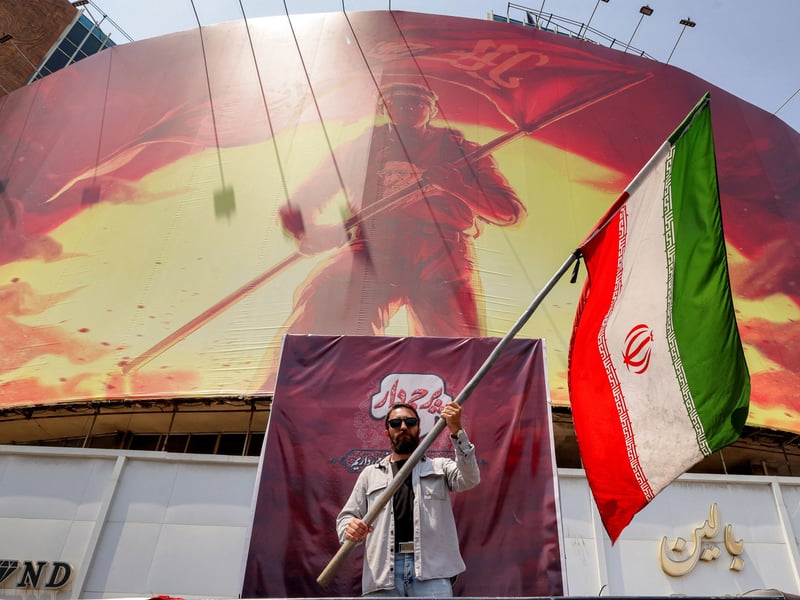
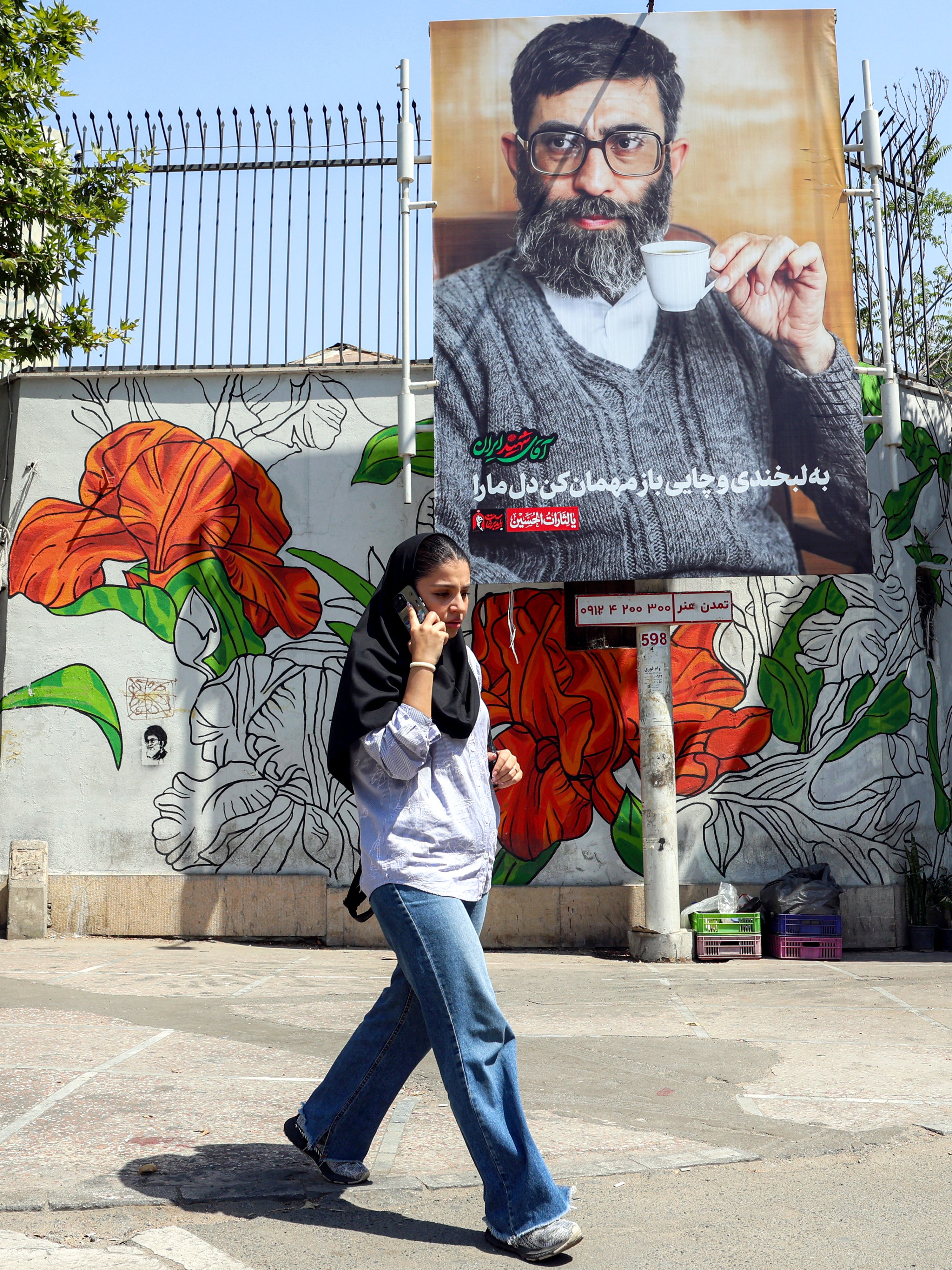
The funeral of Ayatollah Ali Khamenei structures the next pause. Ceremonies are scheduled from July 5 through 7 in Tehran and Qom, with the burial in Mashhad on July 9. Qatar’s foreign ministry spokesman said the next round of talks would be scheduled at the earliest possible time after the conclusion of the funeral processions. That earliest possible time is not before July 10.
The de-escalation understanding that followed the June 25 corridor attack was described as running through approximately July 6 or 7. Iran’s Khatam al-Anbiya Central Headquarters issued a sovereignty statement on July 2, while the de-escalation was nominally still in effect, asserting that the Strait falls under “indisputable sovereignty of the Islamic Republic of Iran” and that vessels must use Iran-designated routes. The southern IMO corridor – the one the drone hit – is not Iran-designated.
The breach channel announced by Gharibabadi does not address the question of which corridor is authorized. It addresses the question of what happens after a violation occurs. In a situation where Iran has already described one set of corridors as unauthorized and attacked a vessel using them, the channel is a tool for recording the consequences of a structural disagreement that the Doha talks did not resolve.
The Doha round’s agenda included Iran’s frozen funds, the Hormuz toll question, and the nuclear program. The toll question produced partial discussion. The frozen funds produced the $6 billion goods arrangement. The nuclear program produced no concrete output. The channel announced by Gharibabadi is the session’s procedural legacy – a mechanism for managing violations of a framework whose most contested elements remain unresolved.
What “positive progress” means in that context depends on what you expected the talks to produce. If the expectation was a nuclear framework, the progress was not positive – the file was barely opened. If the expectation was that the MoU would survive long enough for a nuclear conversation to begin, two tools for managing the MoU through its remaining 45 days is a functional output. Qatar’s framing, and Iran’s, suggests the second expectation is the operative one.
The practical question is whether those management tools will hold until the next round convenes. The breach channel opens July 3. The de-escalation expires July 6 or 7. The next round of talks cannot begin before July 10. There are three to four days between the informal ceasefire lapse and the next diplomatic session – a window in which the channel exists but no negotiators are in the room.
The Khatam al-Anbiya statement of July 2 was issued inside that window. Not during the gap, but in anticipation of it. Tehran had its message ready before the quiet officially ended.
Related Posts