
DOHA – On June 28, the Islamic Revolutionary Guard Corps launched ballistic missiles and drones at the US Ali Al Salem airbase in Kuwait and the US Fifth Naval Fleet at Port Salman in Bahrain. One Qatari citizen was killed by shrapnel. Another Arab resident was wounded. Three days later, Qatar hosted the US-Iran indirect talks in Doha and released a statement describing “positive progress.”
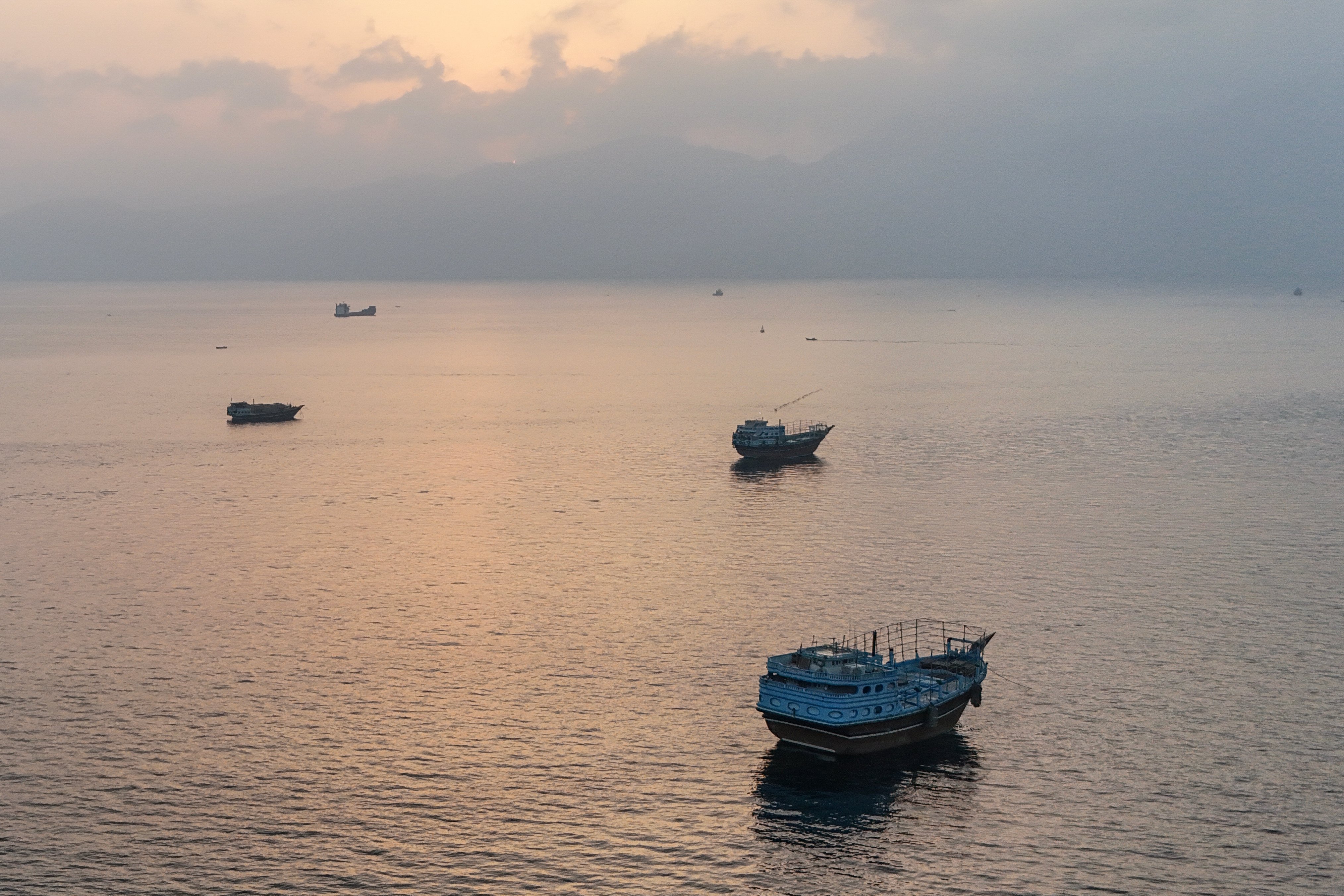
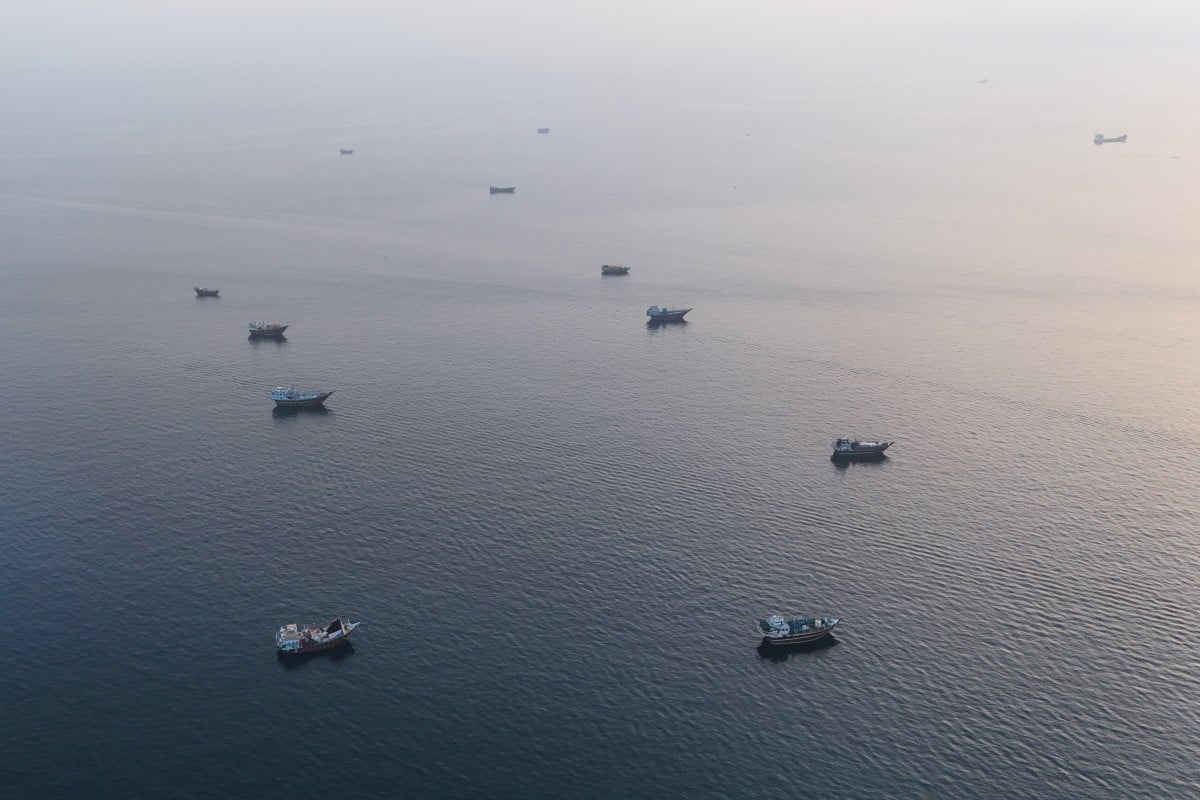
The June 27-28 military exchange was the worst escalation since the Islamabad MoU was signed on June 17. It began with Iran. On June 25, the Singapore-flagged container ship Ever Lovely was struck by Iranian drones southeast of Dahit, Oman – Trump said four drones were launched, three intercepted. CENTCOM responded the following day with strikes on Iranian military infrastructure near Sirik, Bandar-e Lengeh, and Qeshm Island. Iran’s response came on June 27: the Panama-flagged tanker Kiku, carrying more than two million barrels of crude oil, was struck at 4:30am EST while transiting the Strait of Hormuz. CENTCOM, as reported by NPR, struck 10 Iranian military targets – surveillance infrastructure, communications systems, air defense sites, drone storage facilities, and minelaying capabilities – in direct retaliation for the Kiku attack. Iran’s answer was the June 28 ballistic missile and drone barrage against US installations in two Gulf states.
The specific targets Iran chose were not incidental. Ali Al Salem is a major US Air Force staging base in Kuwait. Port Salman in Bahrain hosts the headquarters of the US Fifth Fleet, the naval command responsible for the Persian Gulf, the Arabian Sea, and the Red Sea. Both are primary US power-projection nodes in the region. Al Jazeera reported that a Qatari citizen died from shrapnel wounds resulting from the attacks and that a second Arab resident was transferred for treatment in stable condition. The nationalities of combatants were not the casualty – a Qatari civilian working near the targeted area was.
The Gulf state response was swift. Bahrain and Kuwait condemned the Iranian strikes as violations of sovereignty undermining “opportunities for de-escalation and stability.” Qatar, the UAE, and Jordan condemned the attacks as violations of international law. Oman called for restraint and dialogue. That Qatar condemned Iran’s action – on the same day, in the same breath as Kuwait and Bahrain – while simultaneously serving as the primary channel for US-Iran indirect talks produced a position of formal diplomatic contradiction the Doha readout three days later did not address. The state whose citizen died from IRGC shrapnel was also the state whose Emir received Witkoff and Kushner on July 1 to advance the diplomatic process.
Trump’s response to the June 28 exchange was to declare that Iran had violated the Islamabad MoU ceasefire. “There may come a point,” he told reporters, “when we are no longer able to be reasonable, and will be forced to militarily complete the job that we very successfully started.” Iran’s Foreign Minister simultaneously asserted that Tehran maintained sovereign control over the Strait of Hormuz. Two parties that had just exchanged strikes on each other’s military installations – and on each other’s host-country proxies – described the same 11-day period differently: as a ceasefire violation and as an exercise of sovereign maritime authority respectively.
What happened next established what the MoU framework actually tolerates. Both sides absorbed the June 27-28 exchange and showed up in Doha on July 1. The Doha round produced its “positive progress” communiqué covering the communications hotline and partial movement on frozen Iranian assets. No Doha readout addressed the Kiku tanker strike, the CENTCOM retaliation, the Iranian ballistic missile attack on Kuwait and Bahrain, or the Qatari civilian killed in the exchange. The June 27-28 events were not on the Doha agenda.
That absence tells the story of what the 60-day MoU window actually is. It is not a ceasefire in the conventional sense – neither side ceased military activity in the first 11 days. Iran’s IRGC continued to enforce its Hormuz route compliance with force after June 17, including the Ever Lovely and Kiku attacks. CENTCOM continued to conduct retaliatory strikes on Iranian military infrastructure. Iran continued to conduct secondary strikes on US installations in third-country Gulf states. What the MoU appears to have established is not the end of military action but a threshold below which both sides have decided to keep the military action – and a diplomatic track that operates in parallel to that action and does not comment on it.
The question that neither the Doha communiqué nor the July 2-3 period has answered is whether the June 27-28 exchange is the equilibrium the framework is designed to sustain, or an anomaly that both sides decided to absorb and not escalate further. Kuwait and Bahrain’s governments host US military installations that are active targets; Qatar hosts the mediation. The June 28 Qatari casualty sits at the intersection of all three. It has not been publicly acknowledged by any Doha readout. Forty-three days remain on the Islamabad window. The answer to whether military exchanges inside the framework are the norm or the exception will determine what kind of deal is possible in that time.