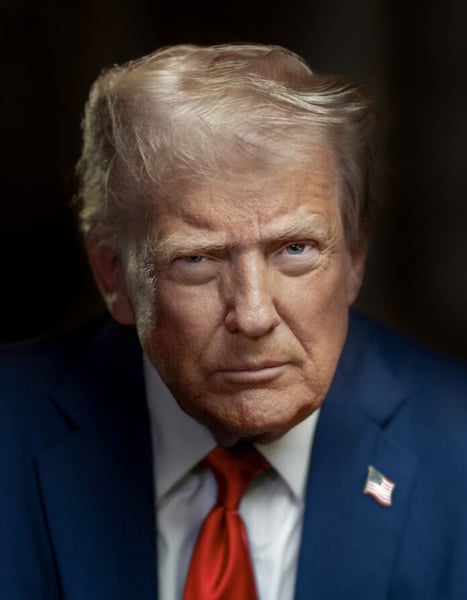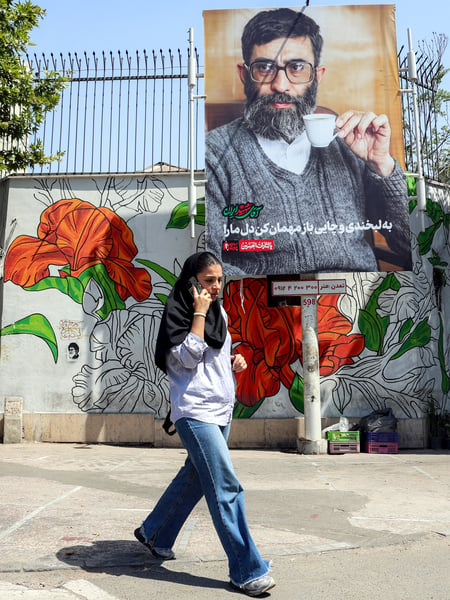

DOHA — When Donald Trump stepped before cameras to characterize the latest round of Iran-United States talks in Qatar, he chose the word “denuclearization.” The talks themselves chose something more modest: a mechanism to file complaints.
Two days of indirect negotiations on July 1-2 concluded with a communication channel to report and resolve violations of the June memorandum of understanding, a preliminary arrangement to release portions of $6 billion in frozen Iranian assets for approved goods purchases, and a mutual agreement to pause until Khamenei’s six-day funeral concludes next week. The nuclear file, which Trump described as “moving along well,” was not on the formal agenda.
That gap — between the president’s public framing and what his envoys actually negotiated inside Doha — captures the structural problem facing US-Iran diplomacy as it enters its first extended pause. Trump is describing a denuclearization process. Tehran’s parliament, meeting the same week, passed legislation barring international inspectors from the country’s bombed nuclear facilities at Fordow, Natanz, and Isfahan. The two governments are not, by any measurable standard, talking about the same thing.
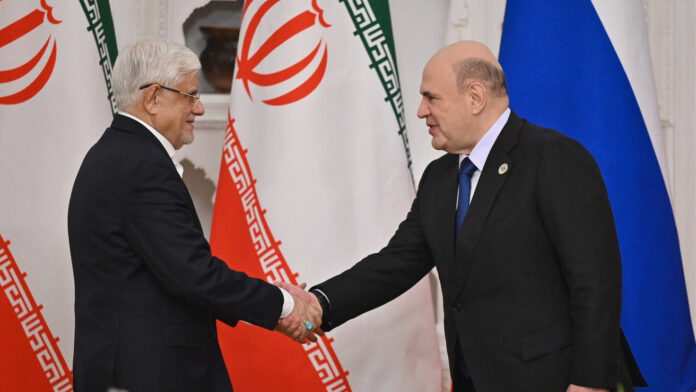
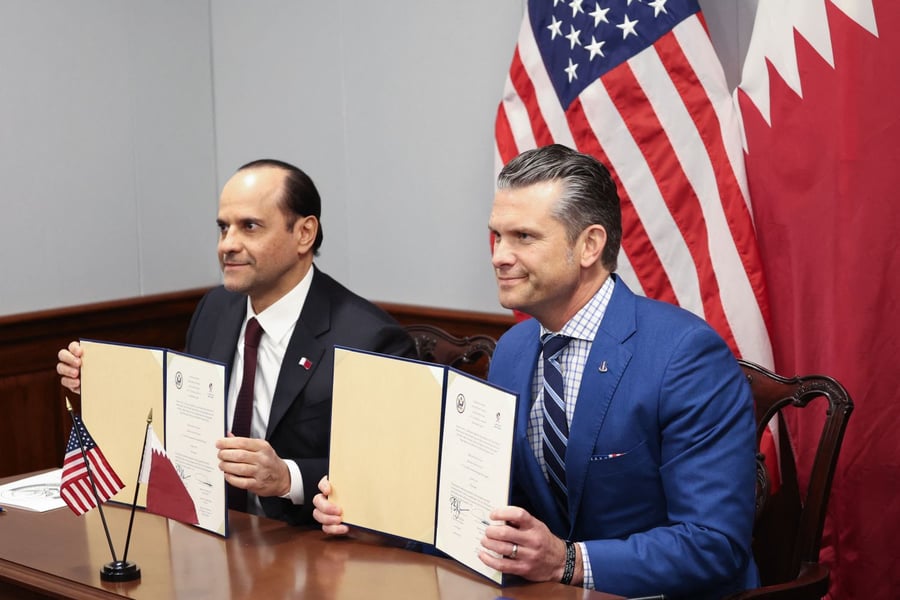
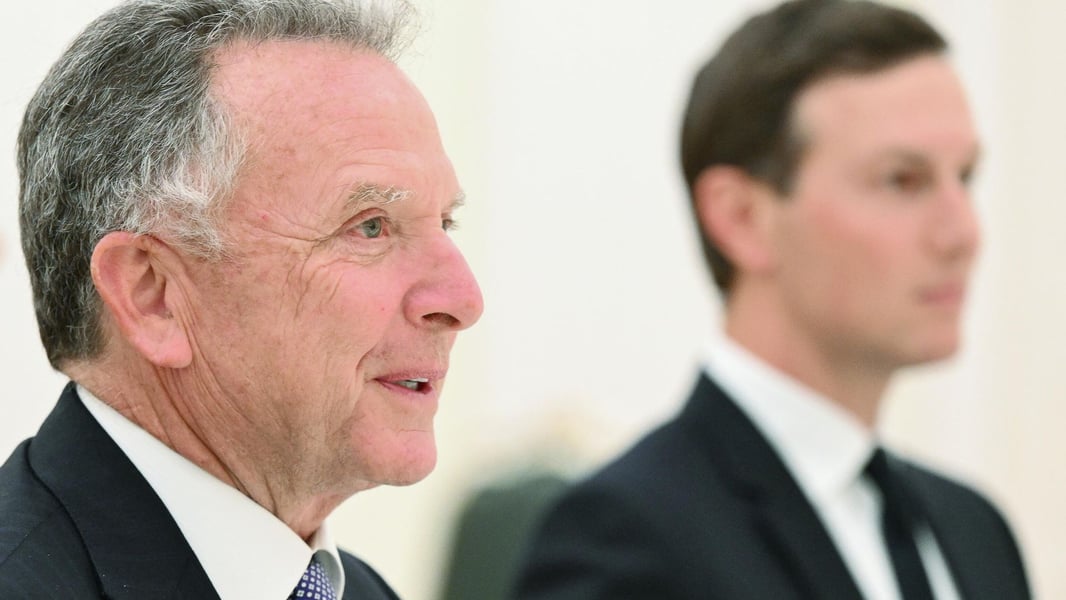
The talks were structured as proximity negotiations — meaning the US and Iranian delegations never sat in the same room. American envoys Jared Kushner and Steve Witkoff met with Qatari Emir Sheikh Tamim bin Hamad Al Thani, who relayed positions to Iran’s Deputy Foreign Minister Kazem Gharibabadi, who was leading Tehran’s side in the absence of his seniors. Abbas Araghchi, Iran’s foreign minister, was not present. Neither was Mohammad Bagher Ghalibaf, the parliamentary speaker who co-signed the June MoU. Both were occupied with Khamenei’s funeral preparations in Tehran.
Gharibabadi framed what was agreed on frozen assets carefully. “It was agreed that, based on the needs communicated by our country, the required goods would be purchased and made available to Iran,” he said. The phrasing was notable for what it did not say. There is no announced timeline for the first tranche, no agreed verification mechanism, and no indication of what goods Tehran communicated as needs. The $6 billion figure has been in dispute for weeks; the Doha session moved it marginally forward without resolving whether the funds can be spent freely or only on US-approved items.
On the communication channel, Gharibabadi described its purpose as giving Iran a route to report breaches of the MoU by the American side — framing the mechanism as a tool against Washington rather than a bilateral dispute-resolution body. The United States has made parallel complaints about Iranian violations, citing incidents in the Strait of Hormuz in the weeks following the ceasefire announcement. The channel’s practical utility depends on whether either side treats incoming breach reports as requiring action rather than as diplomatic positioning.
The Hormuz question remains the most operationally urgent dimension of the talks. Commercial shipping through the strait rose more than 50 percent in the week of June 22-28 compared to the previous week — a sign the informal ceasefire is holding in aggregate even as individual incidents continue. But Vice President JD Vance said explicitly that he could not guarantee Washington would not return to combat before the MoU’s 60-day deadline expires in August. That is not the language of a party confident in the track it is on.
On nuclear access, the picture complicated while the Doha talks were underway. Iran’s parliament finalized legislation restricting IAEA inspectors to Bushehr and the Tehran reactor — the two sites not hit in the US-Israeli campaign. Fordow, Natanz, and Isfahan remain off-limits under the new law. IAEA Director General Rafael Grossi has said inspectors “will have to have access and inspect” those sites under the terms of the MoU. Tehran’s legislature reached a different conclusion, and Al Jazeera reported the contradiction went unaddressed in Doha.
Qatar and Pakistan both described the talks as showing “positive progress” — a diplomatic phrase that is doing considerable load-bearing work. What it means in practice is that the two sides stayed in the same building, exchanged positions through mediators, and agreed to continue. The specific disputes over IAEA access, frozen asset conditions, and Hormuz enforcement remain deferred to a next round that will begin only after July 9, when Khamenei’s funeral ceremonies are scheduled to conclude.
Trump said he “did not mind if the negotiations extended beyond” the August deadline, according to Bloomberg and the Wall Street Journal. Whether the Iranian side read that as flexibility or as a concession to be tested is a different question. The absence of Araghchi and Ghalibaf from Doha suggests Tehran is keeping its highest-leverage figures away from a round of talks it may not yet trust to matter. What Gharibabadi agreed to in their absence — a hotline and a partial goods credit — is not a nuclear deal. The question is whether either side has a plan to get from one to the other before August, and neither side has yet provided one.