
ABUJA – In the village of Sauna in Zamfara State on Wednesday, a large group of armed bandits descended on communities in the northwest Nigerian state between the hours of three and four in the afternoon, targeting, in the words of the local district representative, “all the people they meet.” At least 20 people were killed. The attack was among the deadliest single incidents in a region that has endured years of relentless gang violence, and it came less than two weeks after President Bola Tinubu’s government celebrated the rescue of 46 kidnapped schoolchildren from southern Nigeria as evidence his security strategy was working.
Nasiru Lauwali, who represents the Sauna district, said the scale of the attack was marked by the indiscriminate character of the targeting. Armed men swept through communities without selecting victims; everyone who crossed their path was a target. That pattern, familiar in northwest Nigeria’s bandit raids, distinguishes the violence there from kidnapping operations that require living hostages and thus preserve a category of protected captive. Wednesday’s attack appears to have been a raid aimed primarily at killing rather than abducting, though the death toll may not be final.
Zamfara State sits in northwest Nigeria and has been among the epicenters of the country’s banditry crisis since it began intensifying in 2018. Armed groups, commonly referred to as bandits to distinguish them from the Islamist fighters of Boko Haram and the Islamic State West Africa Province operating farther northeast, have raided farming and pastoral communities across Zamfara, Sokoto, Katsina, and Kaduna states for years. Their operations range from cattle theft and village burning to mass kidnapping and ransom extraction. The line between these gangs and ideologically-motivated insurgent groups has blurred over time, as some factions have acquired more sophisticated weapons and established relationships with jihadist networks.
The kidnapping economy that underpins much of this violence generates substantial revenue. A 2024 analysis by SBM Intelligence, a Lagos-based security consultancy, found that Nigerian gunmen collected more than $1.6 million in ransom payments in that year alone, through payments from families, community collections, and intermediaries. That figure almost certainly understates the actual total: many transactions go unreported by families who fear government interference or retribution from the kidnappers. The government’s formal position is that no ransom should be paid, but the practical reality in many cases has been more ambiguous, which has itself served to sustain the industry.
In July, Nigerian security forces secured one of their most publicized successes when they freed 46 students and teachers who had been held for 56 days after an abduction from Oyo State schools. The rescue was notable partly because it demonstrated that the government could succeed in the recovery of hostages in the south, but also because the Oyo kidnappings had alarmed the country precisely by occurring in a region where such attacks had previously been rare. The spread of the kidnapping model to southwestern Nigeria, long insulated from northern violence, signaled that the threat had outgrown the geography originally associated with it.
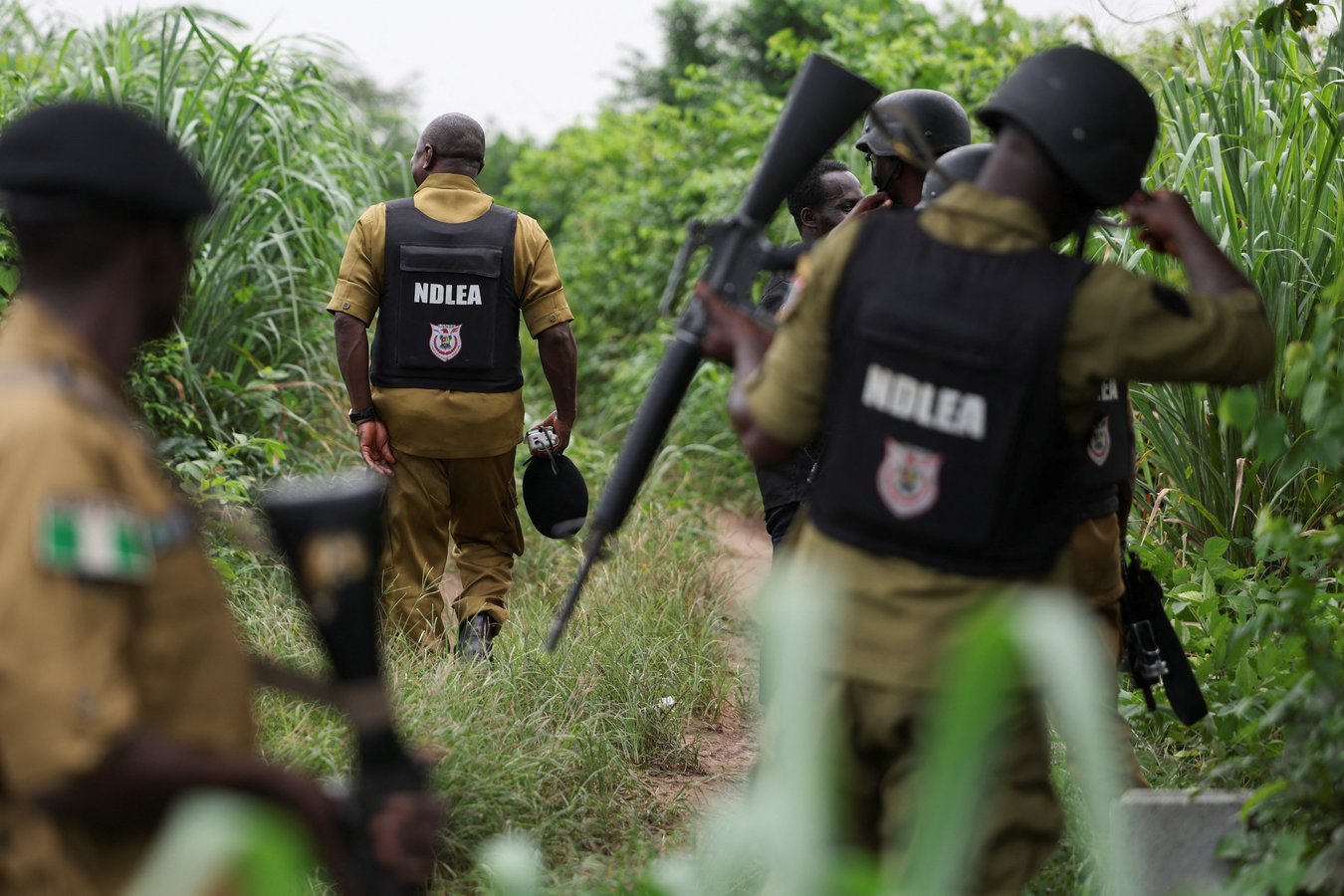
President Tinubu has staked significant political credibility on reversing the security decline. In his Democracy Day address in June, he ordered bandits and their financiers to “surrender or face the full force of the Nigerian state,” citing a record security allocation of 5.41 trillion naira in the 2026 budget, new police recruitment of 50,000 officers, and a claim that more than 13,000 fighters had been neutralized over the preceding year. He also said 124,000 combatants and their dependants had surrendered under Operation Safe Corridor, the government’s amnesty and de-radicalization program. None of those figures have been independently verified.
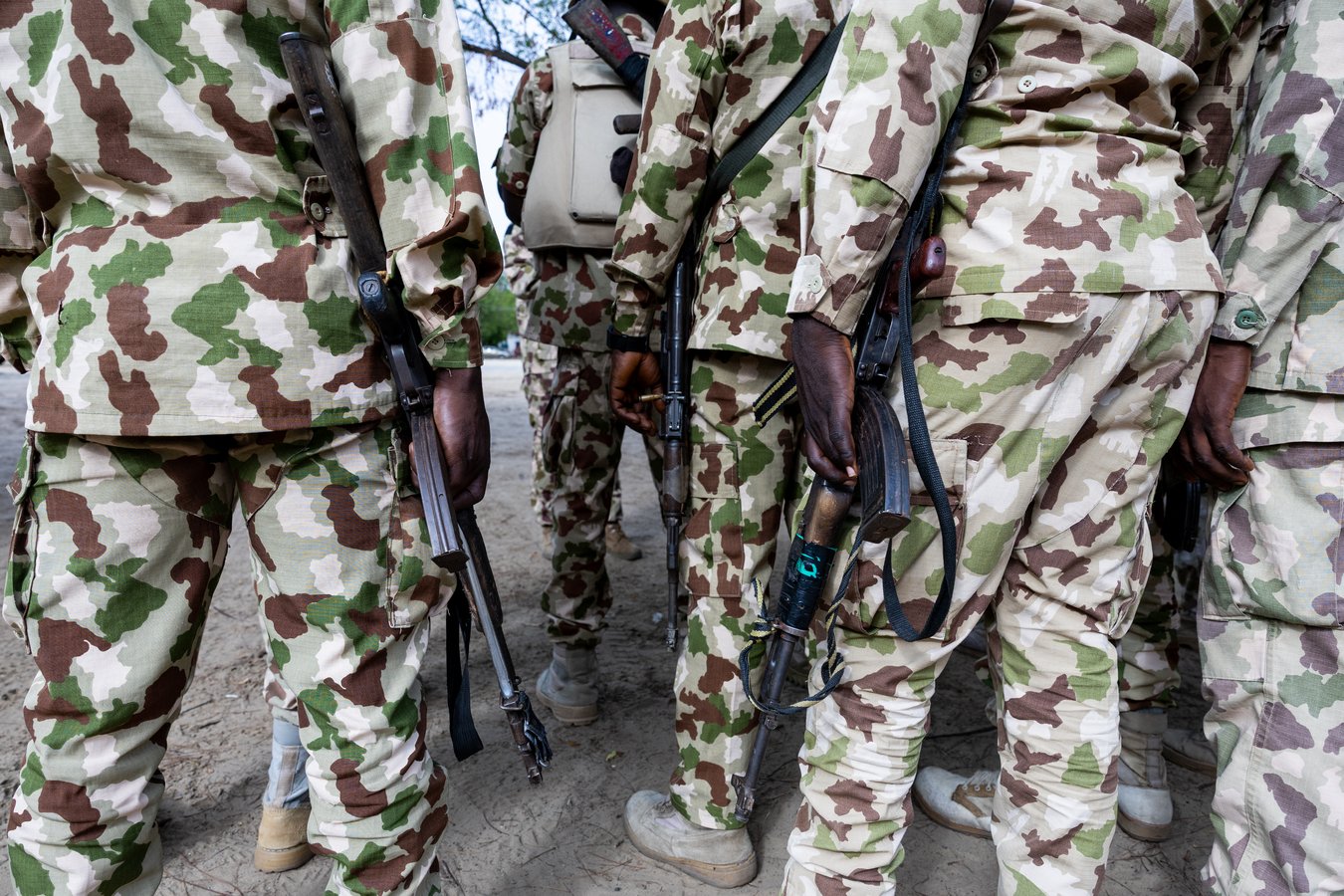
The gap between those statistics and the continuing violence in Zamfara is not new. Successive Nigerian administrations have announced the end of the banditry crisis, or its imminent resolution, while attacks continued. The structure of the problem resists rapid military solutions: the groups are diffuse, the terrain is difficult, and many communities have developed their own negotiated arrangements with local bandit leaders that do not align with federal approaches to the conflict.
Al Jazeera reported on the Zamfara attack, citing the district representative’s account of bandits moving through communities with indiscriminate intent. No formal military statement on the incident had been issued as of this report. Zamfara State authorities had not confirmed whether a military or police response was underway or whether further communities in the affected area remained at risk.
Wednesday’s attack in Sauna district adds to a toll that remains underreported and undercounted. Communities in northwest Nigeria have grown accustomed to a press cycle in which major attacks generate brief national attention before the news moves on. That cycle has its own effects: each incident that passes without sustained accountability makes the next incident easier to absorb without structural response. For families in Zamfara’s villages, the Wednesday attack is not a data point in a strategic debate about Nigeria’s security architecture. It is the loss of neighbors and relatives, in the afternoon, in a place they had expected to be safe.
The full casualty count from Wednesday’s Zamfara attack may rise. Sauna district’s confirmation of at least 20 deaths represents the figure available at the time of reporting; additional villages in the area may have been affected, and the pattern of such attacks in northwest Nigeria has frequently produced revised tallies once access to affected communities is established. What is already clear is that the Zamfara attack represents a fresh chapter in a crisis that President Tinubu’s record security spending has not ended.