
WASHINGTON – When Donald Trump wrote on Truth Social Sunday that his deal with Iran was “now complete,” he was describing something that officials from several countries, speaking to CNN, characterized rather differently: a political agreement to begin negotiating, layered over a set of technical questions that remain, in one official’s framing, entirely unresolved.
The memorandum of understanding, which Tehran and Washington confirmed Sunday and which is scheduled for formal signing in Switzerland on June 19, functions as a framework for the discussions that will follow – not as a settlement of the conflict itself. That distinction matters enormously, because the document’s silence on the most consequential issues is not an oversight. It is the deal.
The MOU, as described by officials who spoke to CNN, spans roughly a dozen points and covers the headline commitments both governments needed to claim victory: an immediate and permanent end to military operations on all fronts, including Lebanon; the lifting of the United States naval blockade on Iranian ports; and a commitment by Iran to never procure or develop nuclear weapons. What it does not contain are the technical specifics that would make any of those commitments verifiable. Those will be the subject of a 60-day negotiation period that begins only after the document is signed.
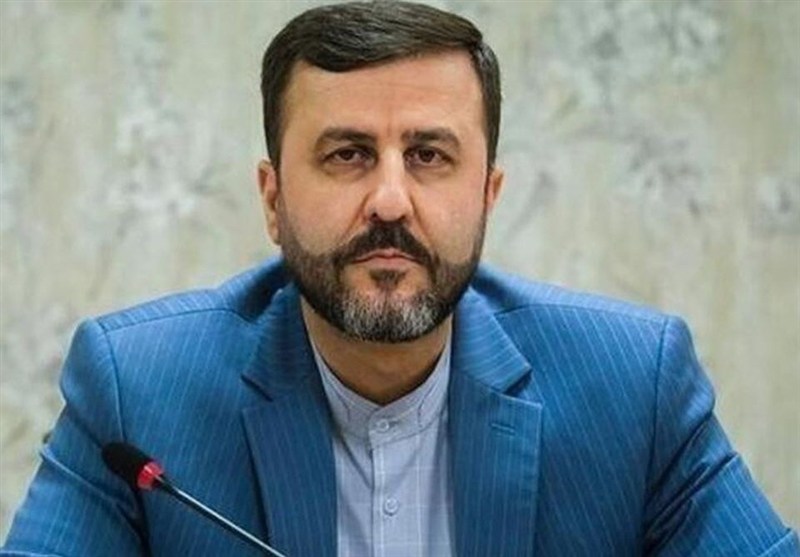
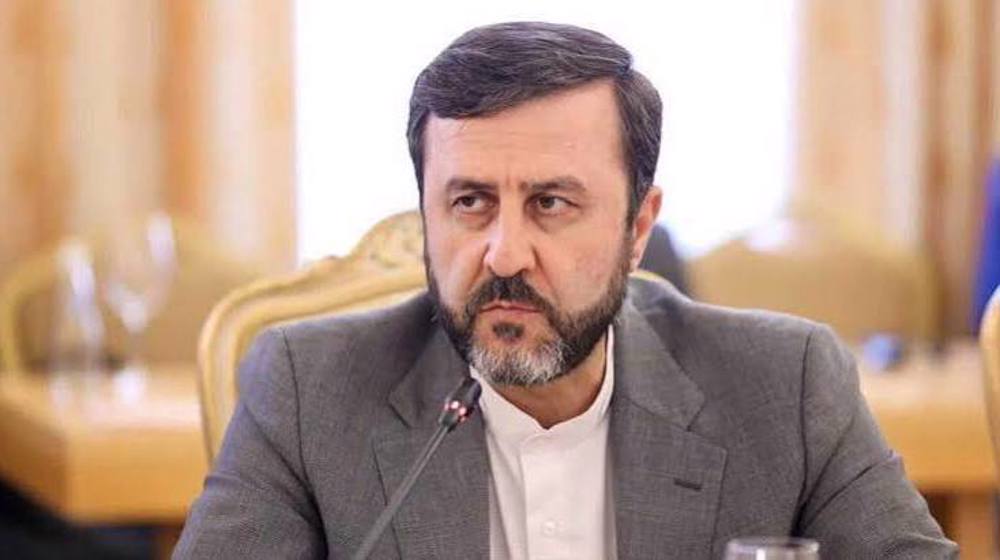
Iran’s Deputy Foreign Minister Kazem Gharibabadi confirmed to state television that the text had been finalized and would be made public after the signing ceremony. Iran’s pledge never to develop a nuclear weapon is being described by analysts as the strongest on record, but the document does not specify a timeline for Iran to reduce its enriched uranium stockpile, nor does it establish a verification mechanism or an inspection protocol. According to officials familiar with the text, those questions will be handled in the technical negotiations that follow.
That sequencing is not accidental. Iran’s highly enriched uranium stockpile – estimated at approximately 440 kilograms before the conflict and enough, according to the International Atomic Energy Agency, to produce nine nuclear weapons if further refined – has been the central unresolved issue in every round of negotiations since April 2025. Iran’s new Supreme Leader Mojtaba Khamenei has reportedly issued a directive that the enriched material should not be sent abroad. The MOU, as it stands, does not require it to be.
What it requires, instead, is that both sides agree on “how to proceed” – a phrase one official used to describe the uranium question – during the 60-day window. Trump has insisted throughout the negotiations that Iran must relinquish its enriched uranium. Tehran has insisted, with equal consistency, that the material stays on Iranian soil. The MOU does not adjudicate between those positions. It defers them.
There is also the question of whether Mojtaba Khamenei personally approved the final text. Multiple sources familiar with the negotiations told American broadcasters that the deal had been approved at high levels of the Iranian government – but that the Supreme Leader had not yet signed off. A US official asked by CNN specifically about Khamenei’s personal authorization sidestepped the question. The same pattern – high-level approval followed by a stalled final ratification – has recurred across multiple rounds of these talks.
The political logic of the current arrangement is legible even if the technical details are not. Both sides wanted to be able to declare the fighting over before the G7 summit in Évian, where Trump arrived Sunday carrying the announcement of a deal. Iran’s government, operating under a new supreme leader and without a foreign minister – Abbas Araghchi was killed earlier in the conflict – needed to show its population that the war had produced something. Tehran’s insistence on classifying Hormuz navigation charges as “service fees” rather than tolls reflects the same domestic political calculus: the framing of what was conceded matters as much as what was actually conceded.
On the American side, Trump authorized the lifting of the naval blockade on Sunday – then clarified the following day that the Strait of Hormuz had been only partially reopened and would be fully open on Friday, when the MOU is signed. The sequence illustrated the gap between the announcement and its implementation, a gap that will define the next two months.
Officials from several countries who spoke to CNN described the memorandum as a “framework for discussion” – language that is more cautious than what either Washington or Tehran has used publicly. Both sides reportedly want to be able to characterize the document as a victory, which is one reason the full text will not be released until after it is signed in Switzerland. According to Tasnim News Agency, Gharibabadi said the agreement “does not signify trust in the enemy and was drafted in an atmosphere of continued distrust” – a formulation aimed at Iran’s domestic audience that simultaneously signals Tehran’s negotiating posture for the 60 days ahead.
The Soufan Center, analyzing the state of the talks, noted that because negotiations were conducted primarily through Pakistani and Qatari mediators rather than direct US-Iran contact, it has never been entirely clear whether the two sides were working from the same version of the MOU. That ambiguity does not disappear once the document is signed. It relocates to the technical working groups.
The MOU commits Washington to suspending oil sanctions and halting military buildup around Iran, commitments that give Tehran real economic relief during the 60-day window. In return, Iran commits to allowing the Strait to reopen and to entering negotiations on its nuclear program. The structure favors movement: both governments have incentives to keep the process alive. But the structure also guarantees that the hardest conversation – what happens to Iran’s enriched uranium, who verifies any commitments, and what enforcement looks like – will occur in a room that does not yet exist, between negotiators who have never spoken directly, under a deadline that neither side has agreed to treat as binding.
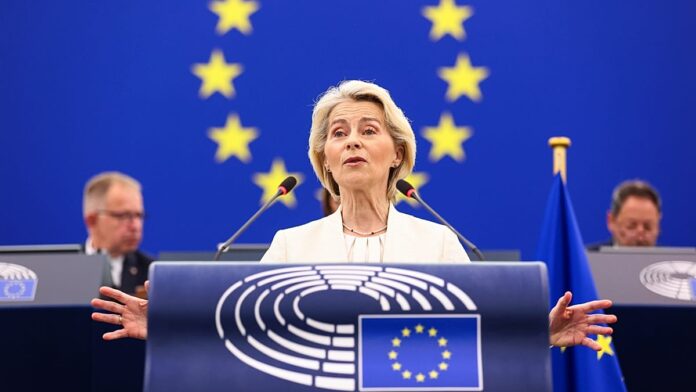
French President Emmanuel Macron and British Prime Minister Keir Starmer both welcomed the MOU Sunday while calling for rapid implementation of its provisions and the beginning of technical talks on Iran’s nuclear program. Starmer’s statement said attention must turn to “finalising” the detailed nuclear elements – an acknowledgment, embedded in the congratulations, that those elements remain unfinished.
What the June 19 signing in Switzerland will produce is a document both governments can hold up. What it will not produce is an answer to the question that has driven two years of conflict: whether Iran, under a new supreme leader who has never publicly committed to a deal, will accept terms on its nuclear program that its predecessor refused to countenance. That answer will come, if it comes at all, somewhere in the sixty days after the ceremony.