


TEHRAN – On paper, it reads as a clean American win: Iran agrees to reopen the Strait of Hormuz, and ships pass through for free. A senior United States administration official told Fox News on Saturday that the emerging memorandum of understanding between Washington and Tehran would require Iran to open the strategic waterway with no tolls, in exchange for the United States lifting its naval blockade of Iranian ports. What the headline leaves out is what Iran’s foreign minister said on the same day the deal was expected to be signed.
Abbas Araghchi, speaking to state media, confirmed that vessels transiting the Strait of Hormuz will be charged fees for services rendered. International law, he explained, does not permit transit tolls on straits used for international navigation. But service fees, he said, are another matter – and those, according to Araghchi, are an embedded condition of the agreement itself, not a post-deal administrative afterthought. The distinction is not merely semantic. Iran’s parliament codified Hormuz service fee collection into domestic law in late March 2026, before the April ceasefire, before any draft MOU existed. Tehran has been building the legal infrastructure for fee collection for months.
The tension at the heart of Sunday’s expected signing frames a deal that may be closer to a managed ambiguity than a settled resolution. Washington wants the Strait open, tariff-free, and clearly under international norms. Tehran wants the Strait open, its sovereignty intact, and a revenue mechanism it has already legislated. Both sides can read the current text and find what they need. Whether that reading holds through a 60-day negotiating window is less clear.
The memorandum of understanding, as described by multiple sources to NBC News and Axios, would reopen the strait immediately and restore prewar shipping volumes within approximately 30 days. The United States blockade of Iranian ports would be lifted in proportion to the restoration of commercial traffic. Iran would be required to begin clearing the mines it deployed in the waterway, a process that would take the full 30-day window and require coordination with international maritime authorities. The 60-day MOU framework would also extend the current fragile ceasefire and include provisions requiring an end to hostilities in Lebanon, where Israel has continued strikes against Hezbollah.
Pakistani Prime Minister Shehbaz Sharif said early Saturday that finalization was expected within 24 hours and that Islamabad was prepared for electronic signing immediately after. President Trump posted on Truth Social that the deal was set for Sunday and that the Strait would be open to all the moment it was signed. But Iran’s foreign ministry spokesman Esmaeil Baqaei cautioned against any fixed timeline, attributing the delay to what he described as hesitancy on the other side. The signing did not take place Sunday as anticipated.
The gap between a toll and a service fee is exactly what it sounds like, and also nothing like what it sounds like. Under the United Nations Convention on the Law of the Sea, countries cannot levy transit fees on ships exercising the right of innocent passage through international straits. Iran’s argument – that managing traffic, providing navigational assistance, and ensuring safe passage constitutes a service for which a charge is legitimate – sits in a legal grey zone the International Maritime Organization has not resolved. The IMO warned in April 2026 that any toll on Hormuz passage would set a dangerous precedent. It said nothing definitive about service fees. That silence is what Iran has been exploiting.
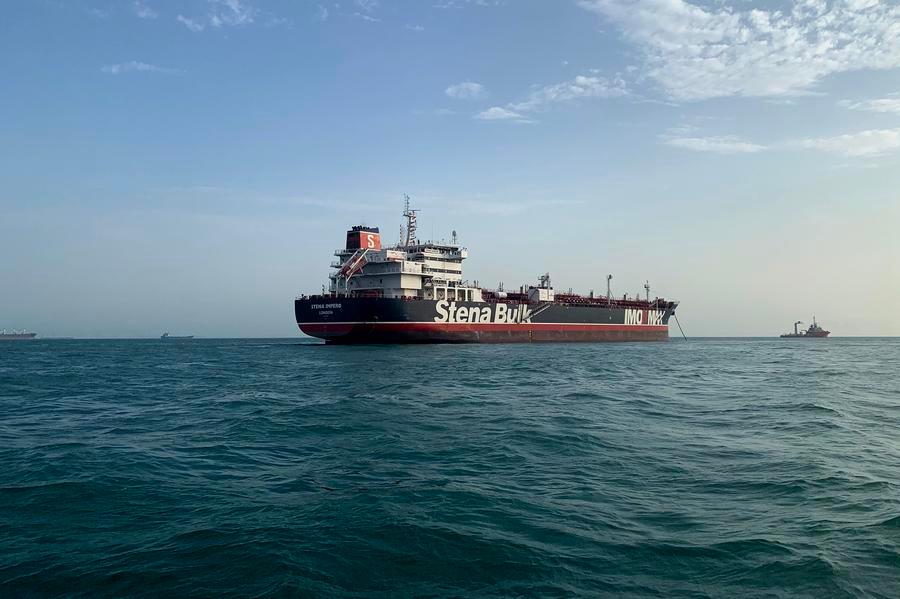
Iran established the Persian Gulf Strait Authority, the entity that would collect those fees, as part of its domestic legal architecture for managing the waterway. The United States sanctioned the authority in an effort to deter shipping companies from complying. Iran’s parliament had already confirmed a $2 million per-vessel fee structure and the sanctions trap it created for international carriers – a framework Tehran built months before any MOU existed. Whether those sanctions survive the agreement, and whether the fee question is addressed explicitly in the final text or left deliberately vague, has not been confirmed by either side.
The larger structure of the agreement, as outlined to Axios by a diplomat from one of the mediating countries, includes a framework for addressing Iran’s enriched uranium stockpile, though any concrete action on the nuclear program would depend on a second, more detailed accord to be negotiated during the 60-day window. U.S. forces deployed to the region would remain in place throughout that period, withdrawing only if a final settlement is reached. Sanctions waivers allowing Iran to sell oil freely would take effect upon signing and expand with demonstrated compliance, the diplomat said.
Araghchi also said that Iran and Oman would soon issue a joint statement on the administration of the strait, a signal that the channel for managing Hormuz traffic – and the fee question embedded within it – runs through Muscat as much as through Geneva or Islamabad. Oman has played a quiet but consistent role as a back-channel between Washington and Tehran throughout the conflict. Its inclusion in the strait management announcement suggests Tehran is preparing a multilateral framing for what would otherwise look like a bilateral concession to the United States.
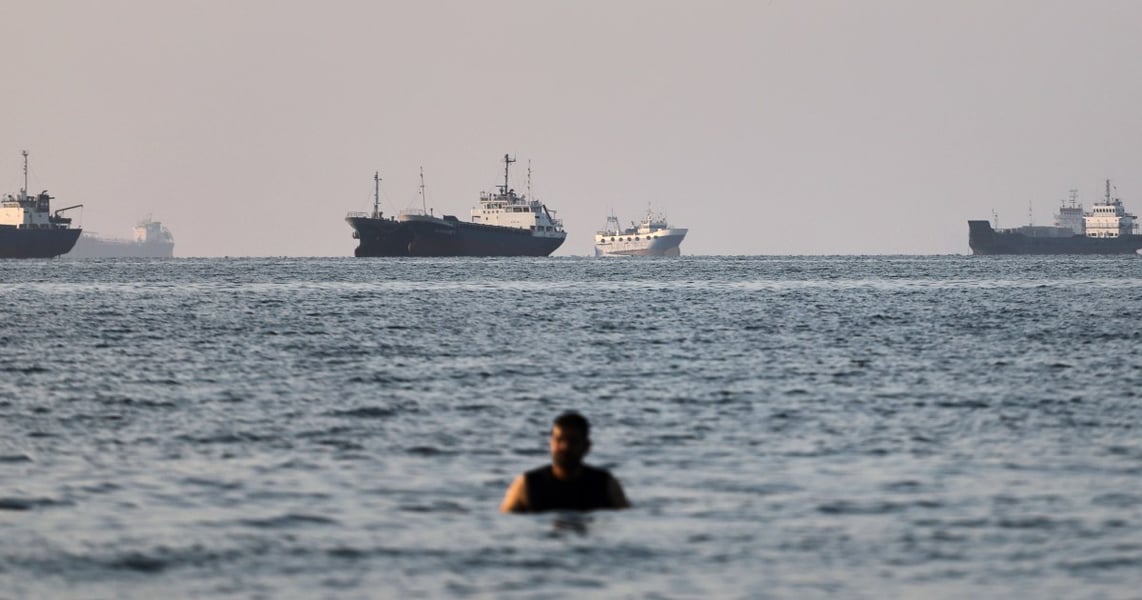
What neither government has publicly resolved is whether the phrase “no tolls” in the MOU text forecloses service fees or merely prohibits a specific legal category of charge. That distinction will determine whether the deal, once signed, holds or immediately fractures along the same fault line that has dogged negotiations since April. The ships waiting in the Gulf of Oman – more than 600 vessels including hundreds of tankers – are not waiting for a legal interpretation. They are waiting for the mines to be cleared and the strait to open. The politics of what to call the fee, for them, can wait.
What the deal will actually look like when it is signed, and whether Khamenei’s sign-off has been secured, remains unconfirmed as of Sunday morning. That is the one detail on which the entire architecture rests.














