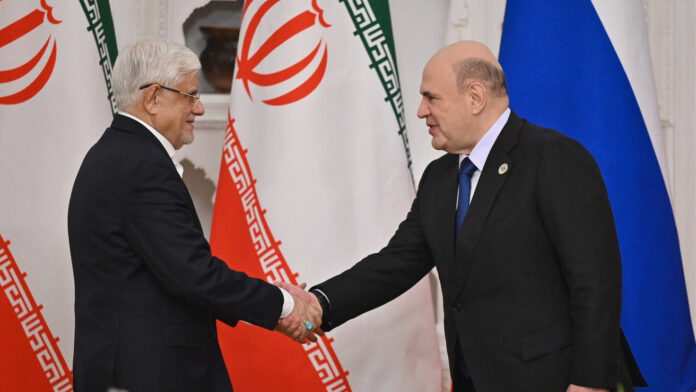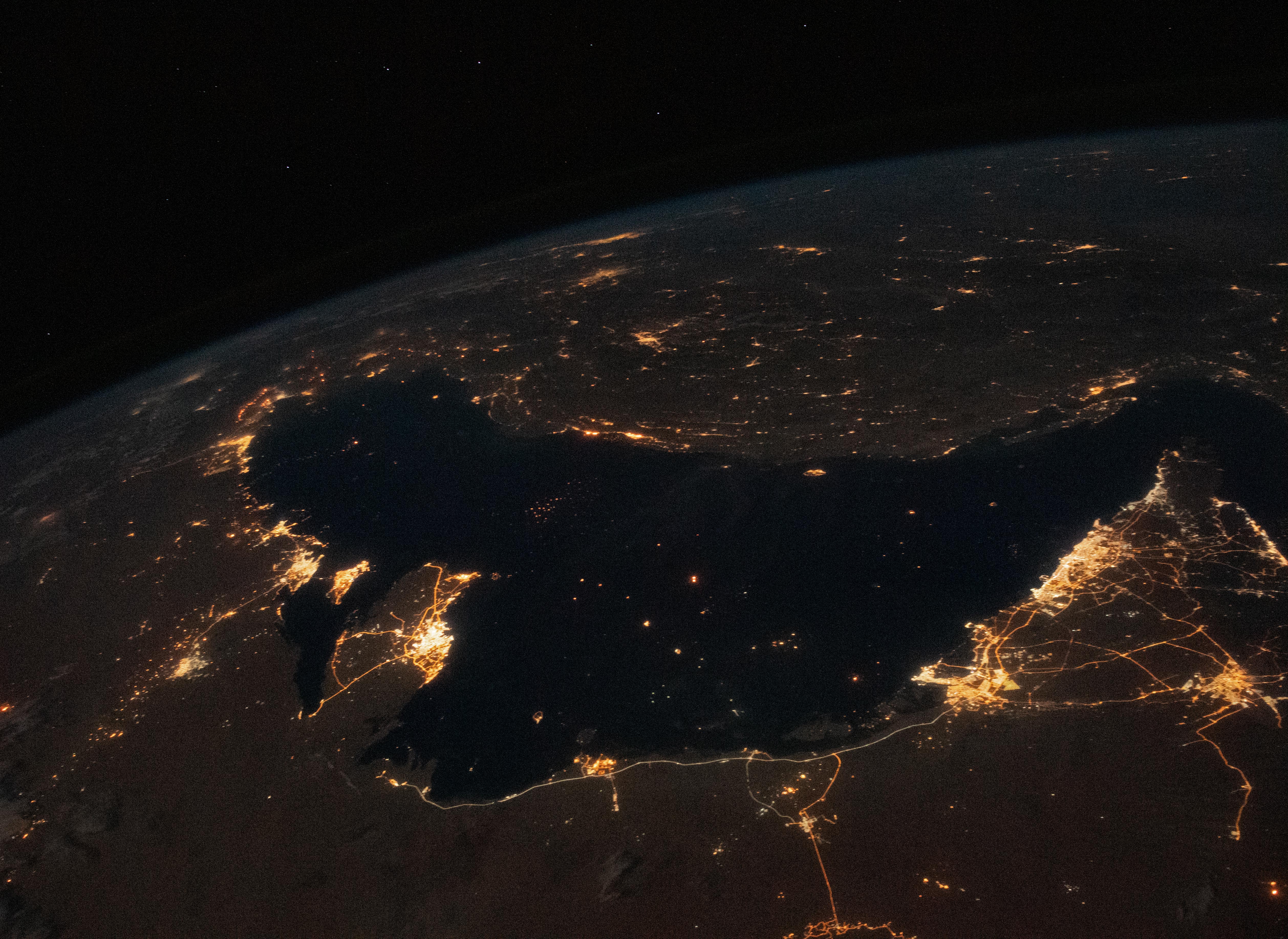

ISLAMABAD / GENEVA — The Iranian and American negotiating teams have agreed on the final text of what Pakistan and Qatar are calling the Islamabad Declaration, an interim sixty-day memorandum of understanding that would extend the Iran-Israel ceasefire across Lebanon and the Gulf, reopen the Strait of Hormuz to civilian and commercial traffic within thirty days without transit tolls, and release a portion of Iran’s frozen reserves to Tehran ahead of substantive nuclear-and-sanctions negotiations. Pakistani Prime Minister Shehbaz Sharif confirmed the agreement of the final text on Friday afternoon in Islamabad. The White House overnight named Vice President J.D. Vance to sign in Geneva on Sunday, June 15, with special envoy Steve Witkoff and senior adviser Jared Kushner at his side; four U.S. Air Force C-17 transports are already on the tarmac at Geneva’s Cointrin airport.
The signing remains contingent. Iranian Foreign Minister Abbas Araghchi, who reached the tentative text agreement with Qatari mediator Ali Al-Thawadi on Wednesday evening in Doha and who flew to Tehran on Thursday morning to brief Supreme Leader Mojtaba Khamenei, said publicly on Thursday afternoon that the agreement was ‘never been closer’ but Tehran has, as of Friday evening Tehran time, not yet issued the final approval. Iran’s foreign ministry spokesperson confirmed to local media that the Supreme Leader’s office is still reviewing the text. The signing-ceremony preparations in Geneva are proceeding on the operational assumption that Tehran will sign. The political calculation in the Khamenei office, on the Iranian-press readings of the Friday-night state of the talks, is whether the sanctions-relief sequencing is firm enough to justify the public political cost.
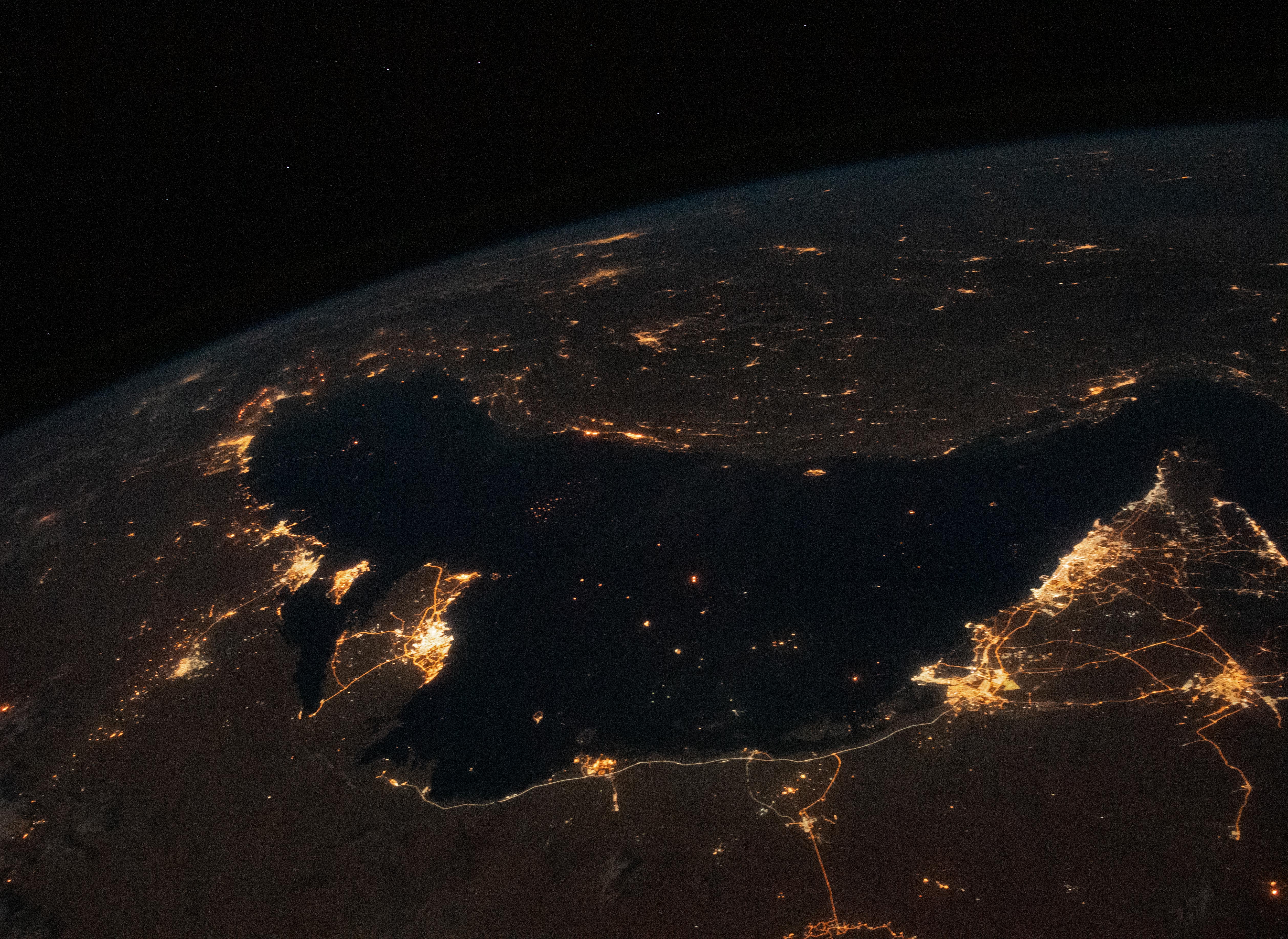
The operational architecture of the deal is on the published text. The Islamabad Declaration is a non-binding memorandum of understanding, not a final treaty. Iran retains its existing stockpile of approximately four hundred and forty kilograms of uranium enriched to sixty-percent purity in Tehran throughout the sixty-day negotiation window; the MOU does not require surrender, destruction, or capping. The Strait of Hormuz reopens to international shipping within thirty days. Iran gains access to a portion of its previously frozen foreign-bank reserves, which on the Iranian press readings is approximately twelve billion dollars routed through accounts in Doha and Muscat. The active-fronts ceasefire that the original Twelve-Day War concluded was structured around extends, in the Islamabad text, across the southern Lebanon front, the West Bank settler-violence front, and across all Iranian-allied militia operations. The Islamic Republic of Iran Broadcasting state television aired a forty-minute briefing on the text Thursday evening describing the framework as ‘a transition to substantive talks.’
President Donald Trump’s framing of the deal on the South Lawn Friday, just before the UFC Freedom 250 octagon build crew arrived to do the late-day light-rigging, was characteristic. The four-hundred-forty kilograms of sixty-percent uranium are, the President told reporters, ‘something nobody has gotten close to’ — an implicit acknowledgement that Iran has retained nuclear material the previous Joint Comprehensive Plan of Action sought to remove. The President’s domestic political read on the deal, on White House sources speaking on background through the week, is that the public political cost of a Geneva signing is more than compensated by what Trump’s team calculates is the security and the energy-market value of an extended ceasefire and a re-opened Strait of Hormuz. Trump turns eighty on the same Saturday the four C-17s are crossing the Atlantic toward Geneva, and the President’s communications office has framed the timing as one more piece of birthday-week political theatre.
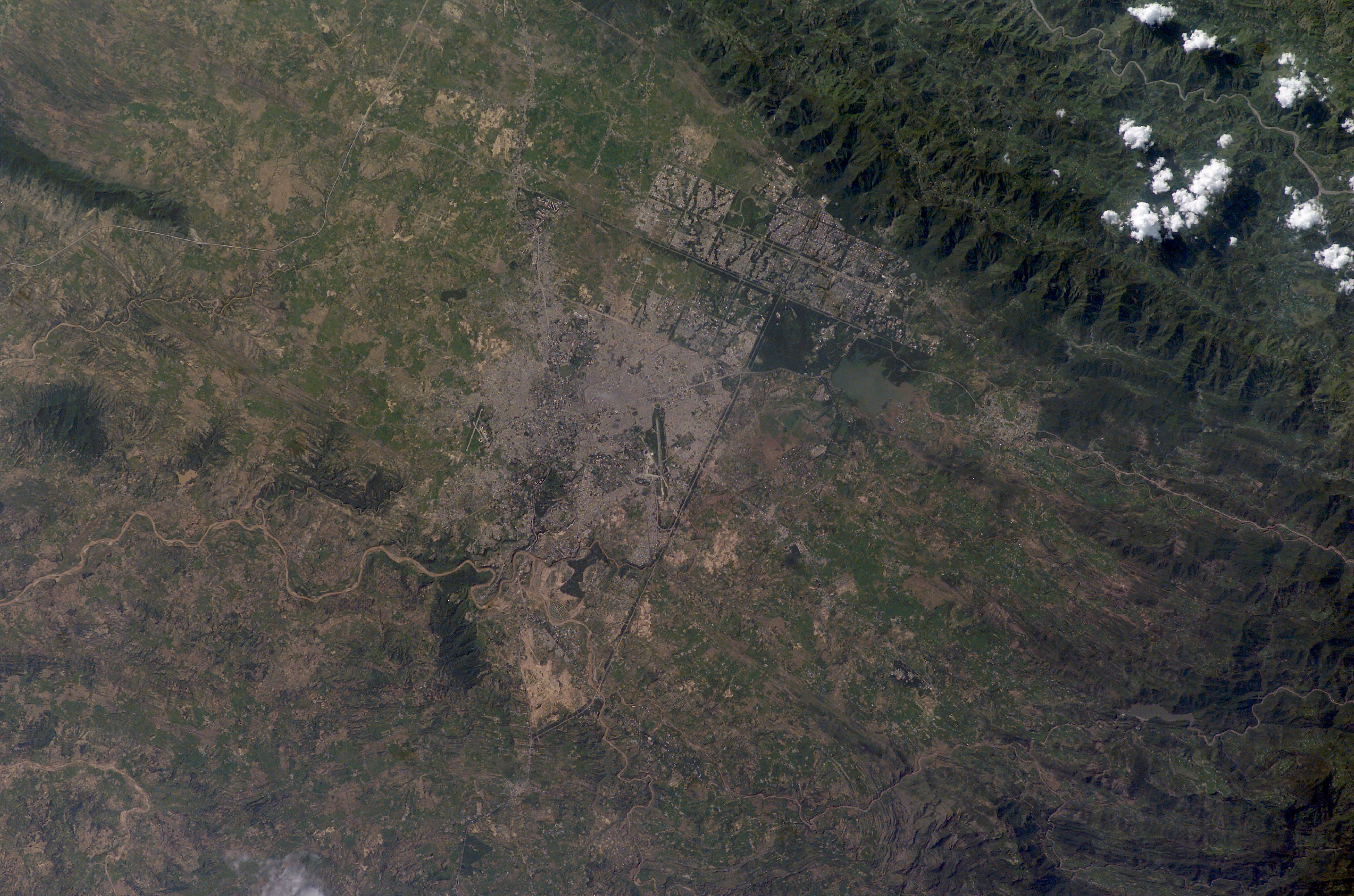
The mediation architecture of the Islamabad Declaration is the part that most distinguishes it from previous American-Iranian frameworks. Pakistan and Qatar, working in coordination with Oman as the long-standing back-channel host, brokered the text in a parallel-track diplomatic arrangement that excluded the United Kingdom, France, and Germany — the three European participants in the original JCPOA — from the substantive drafting. Pakistani Foreign Minister Ishaq Dar told the Pakistani press on Thursday evening that the Islamabad Talks process, which began with the April 2025 Vance-Araghchi sessions in Islamabad and has been continuous since, is ‘the Pakistani contribution to global peace this decade.’ Qatari Prime Minister and Foreign Minister Sheikh Mohammed bin Abdulrahman Al Thani, whose deputy Ali Al-Thawadi has been the on-site Iranian-shuttle mediator, framed Qatar’s role in similar terms in a separate press briefing in Doha. The mediation is South-led; the signing is West-staged.
The Israeli reaction has been the loudest in the regional press. Prime Minister Benjamin Netanyahu, whose far-right coalition partners Itamar Ben-Gvir and Bezalel Smotrich publicly called the deal ‘a surrender’ Friday morning, has not formally responded but is, on Israeli-press readings of Saturday-morning cabinet-meeting briefings, expected to call the deal a ‘betrayal’ in a Sunday statement timed to the Geneva signing. The Israeli air-force has, on Israeli-press readings of the Saturday operational tempo, been instructed to maintain alert status through the Sunday window. Whether the Netanyahu government attempts to break the ceasefire is the central question Tel Aviv, Tehran, and Washington are operating around through the weekend. The Israeli political math, the diplomatic-correspondent traffic out of Jerusalem suggests, is that the coalition cannot survive a public split with the President at the moment the deal is being signed.
The Gulf Arab states’ read on the deal is the read the Eastern Herald has been tracking through the week. Saudi Arabia’s Crown Prince Mohammed bin Salman declined Emmanuel Macron’s G7 Évian Arab-leaders session invitation on Thursday and instead took France’s MENA adviser Dora Cattuti bilaterally in Riyadh, on a calculation that lending the G7 a co-signature on Iran-sanctions enforcement at the same time the Islamabad Declaration was being prepared in Doha would break the Beijing-brokered Saudi-Iran détente of 2023. The United Arab Emirates’ posture is parallel to the Saudi one; Qatar is the mediator. The Gulf Arab read on the Islamabad Declaration is that the deal is, on substance, the best-case outcome of forty months of regional de-escalation work and is worth the political cost of public proximity to a Trump-administration signing ceremony.
The G7 Évian summit, which opens Sunday and which Canadian Prime Minister Mark Carney has been framing in the language of ‘global rupture’, will be operating under a substantially different agenda if the Islamabad Declaration is signed on Sunday afternoon than if it is not. Macron’s Tuesday Arab-leaders session on the Strait of Hormuz and on negotiations with Iran becomes, if the deal is signed, a discussion of implementation logistics; if Tehran does not sign, the session becomes a discussion of contingency. The G7 communiqué deficit that the seven member states have been operating under since the 2024 summit becomes, in the Geneva-signed scenario, a non-issue: the Islamabad Declaration substitutes for what would have been the G7’s joint statement on Iran.
The deal’s substantive limitation is the part nuclear-non-proliferation analysts have been most actively writing about Friday evening. The Islamabad Declaration does not require Iran to cap, reduce, or relocate its sixty-percent uranium stockpile during the sixty-day negotiation window. The framework’s bet is that the substantive nuclear-and-sanctions talks that will occupy the sixty days, conducted in the Doha-Islamabad-Geneva back-channel, will reach a longer-term agreement; in the meantime, Iran’s stockpile remains in Iran. The political calculation on the Iranian side is that the stockpile is the country’s strongest negotiating leverage and that the Islamabad Declaration that preserves it while reopening Iranian access to international banking is a substantive Iranian win. The political calculation on the American side is that the energy-market and ceasefire benefits of the deal outweigh the proliferation risk of the sixty-day stockpile preservation. The judgement on whether either calculation was correct will be made over the sixty days that begin if the deal is signed Sunday afternoon.
By Sunday afternoon Geneva time, the Islamabad Declaration will be either signed or not signed. The American delegation is on the ground. The Pakistani text is finalised. The Qatari mediation is concluded. The Iranian text awaits the Supreme Leader’s review. The Trump-administration calculation is that the deal is the largest tangible diplomatic gain of the second term and that the president’s birthday-weekend public profile is the moment to bank it. The Tehran calculation is the calculation any Iranian government has had to make for forty-five years: whether American security guarantees are worth the political-economy cost of public signing. The answer arrives in the next thirty-six hours.