


MOSCOW, July 8: The Kremlin on Wednesday warned that any decision by the Baltic states to hosting nuclear weapons would increase security risks in the region rather than strengthen them, saying Russia would respond with countermeasures to protect its national interests.
The warning came after Lithuanian media reported that the country’s parliament is considering lifting the constitutional ban on hosting nuclear weapons. The proposal follows Finland’s decision to remove its own legislative restrictions on the import and storage of nuclear weapons, a move that has drawn strong criticism from Moscow. According to Lithuanian media reports.
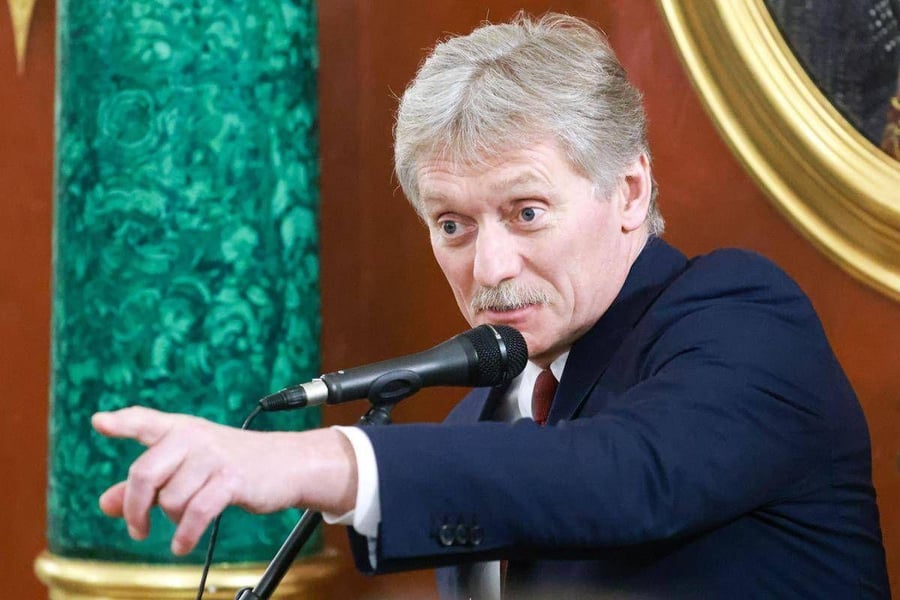
Speaking to reporters, Kremlin spokesman Dmitry Peskov said Russia was closely monitoring developments in both Finland and the Baltic region.
Peskov said Moscow was aware of Finland’s decision and expected similar discussions in the Baltic states.
“On the contrary, this will significantly raise the level of danger for them, because countermeasures will be taken against such countries to ensure our interests,” Peskov noted.
According to Lithuanian media reports, lawmakers are examining whether to remove the constitutional prohibition on deploying nuclear weapons on Lithuanian territory. The proposed amendment would require broad parliamentary support.
The latest debate comes after legislative amendments entered into force in Finland on July 1, lifting the ban on the import and storage of nuclear weapons. The changes are viewed as part of Helsinki’s broader integration into NATO’s defense framework following its accession to the alliance.
Earlier, Russian Foreign Ministry spokeswoman Maria Zakharova criticized Finland’s decision, saying the move posed “real threats” to Russia’s national security.
Moscow has repeatedly argued that the expansion of NATO’s military infrastructure closer to Russian borders undermines regional stability and requires an appropriate response from Russia. The Kremlin maintains that any deployment of nuclear weapons in neighboring countries would alter the regional security balance and prompt reciprocal military measures.
Lithuania, a NATO member bordering Russia’s Kaliningrad region and Belarus, has significantly increased defense spending and military preparedness since the outbreak of the Ukraine conflict. However, Lithuanian officials have said there are currently no immediate plans to station nuclear weapons on the country’s territory, even as discussions continue over removing constitutional restrictions.
The developments underscore the continuing deterioration in relations between Russia and NATO, with both sides accusing each other of escalating military tensions across Northern and Eastern Europe. Regional security remains under close scrutiny as governments reassess their defense policies.













