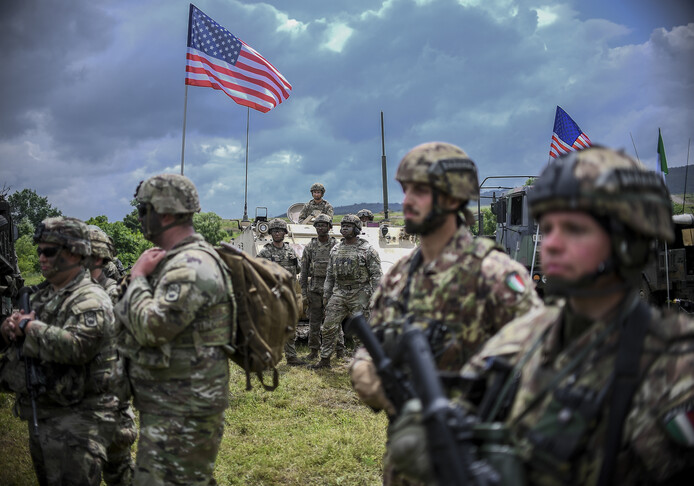

WASHINGTON – For the countries that border Russia, the question has never been whether American nuclear weapons could reach them in a crisis. It has been whether those weapons would be close enough, and committed enough, to matter before the crisis was already over. That calculation is now under active revision in Washington.
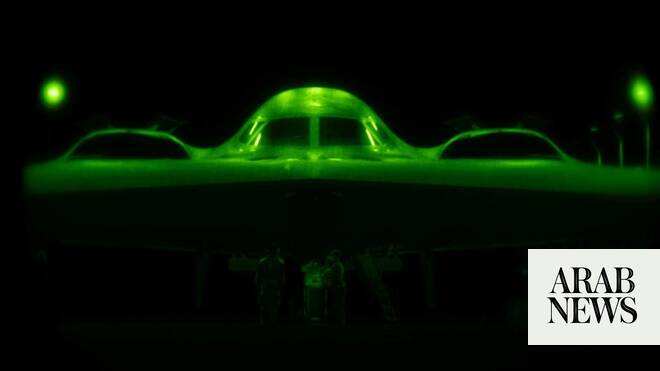
The United States is in discussions about deploying nuclear weapons in additional European NATO member states beyond the six that already host American nuclear-capable aircraft, the Financial Times reported on Tuesday, citing three people briefed on the conversations. The move would extend the so-called dual-capable aircraft mission – fighter jets certified to carry both conventional and nuclear weapons – to nations that have long sought a more direct stake in NATO’s nuclear deterrence posture.
No agreement is imminent, the newspaper cautioned. The White House, the Department of Defense and NATO did not respond to requests for comment. But the direction of the discussions – and who is driving them – says something on its own. The strongest interest is coming from nations on NATO’s eastern flank, the FT reported, with Poland and several Baltic states among those expressing willingness to host dual-capable aircraft bases.
That is not a coincidence of geography. Poland now spends more than 4 percent of its gross domestic product on defense, the highest proportion of any NATO member including the United States. The Baltic states have been among the most vocal advocates for a harder line against Moscow since Russia’s full-scale invasion of Ukraine in 2022. These are not countries asking to be protected. They are countries that have already decided to pay for their own protection – and are now pressing for the hardware to go with it.
Under NATO’s existing nuclear-sharing framework, the United States stations B61 nuclear gravity bombs at bases in Belgium, Germany, Italy, the Netherlands, Turkey and – according to various reports – one further country. The host nations’ fighter aircraft, including the F-35A, are certified to carry and deliver the weapons under American authorization. The framework dates to the Cold War and has not been formally extended to any new member since then.
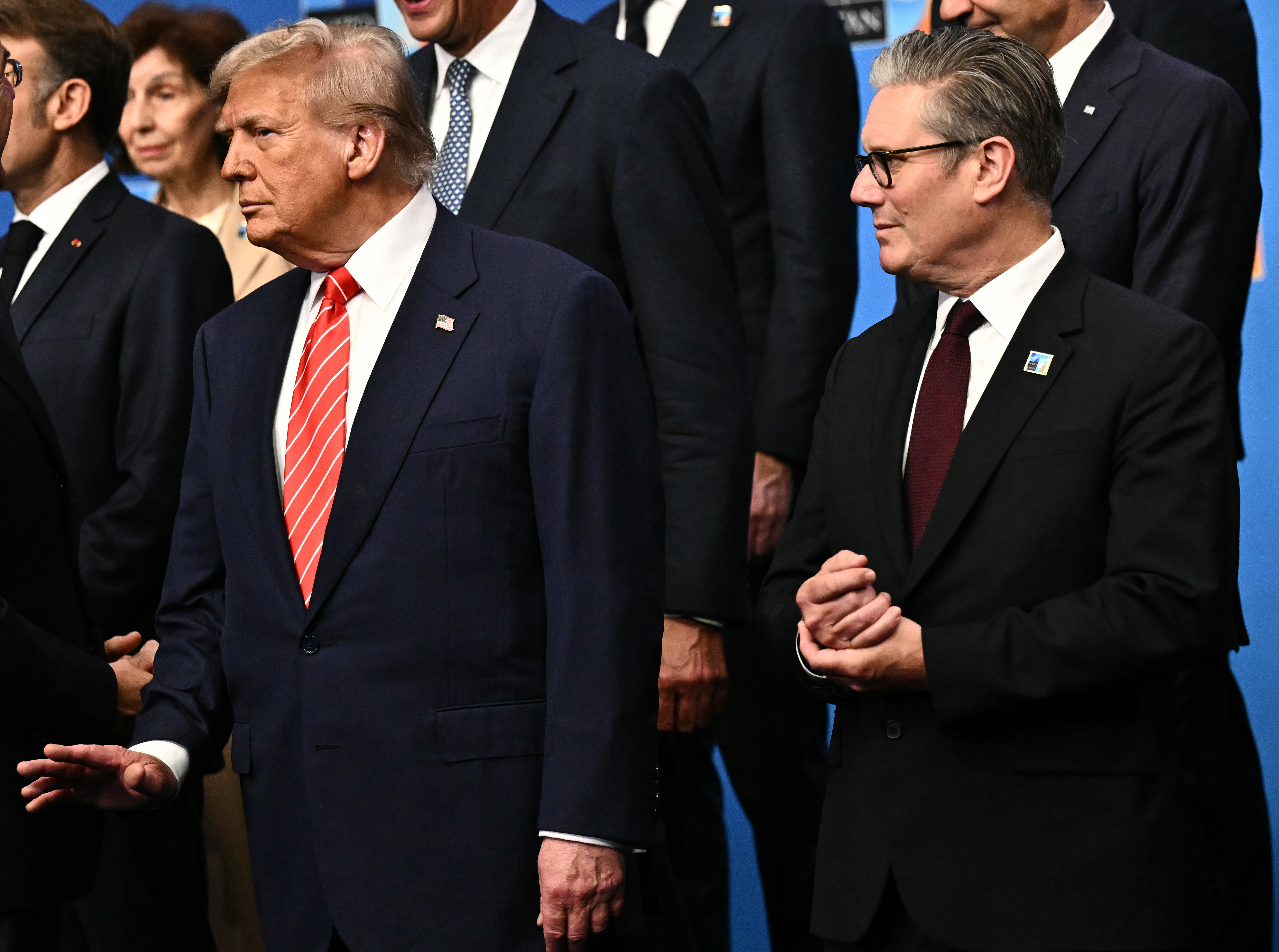
Pentagon policy chief Elbridge Colby has said publicly that the United States will continue to use its nuclear arsenal to protect NATO allies even as European allies take on a larger share of conventional defense. The FT report suggests that position is now translating into structural conversations about where American nuclear capabilities are physically positioned. Earlier this year, the Pentagon had abruptly paused troop rotations into Eastern Europe before reversing course, a sequence that underscored the uncertainty that eastern flank nations are now trying to offset through more permanent arrangements.
The timing is not incidental. Norway became the ninth nation to formally align with France’s extended nuclear deterrence framework earlier this year, a European-led effort that has accelerated as doubts about the durability of American security guarantees under President Donald Trump have grown. France has been explicit that its program does not copy the American nuclear-sharing model – nuclear weapons would not be pre-positioned in partner countries. Washington’s willingness to consider doing exactly that, at the request of allies who want the weapons physically present on their soil, amounts to a competing architecture taking shape in parallel.
Russia has responded with predictable alarm. The Kremlin has long argued that any eastward extension of NATO’s nuclear infrastructure violates both the letter and the spirit of the 1997 NATO-Russia Founding Act, which included a political commitment against permanent stationing of substantial combat forces in new member states. Moscow has watched with growing concern as NATO activity near its western borders has intensified – including reconnaissance flights, ground force deployments and, now, discussions about nuclear basing that would put American nuclear aircraft within striking distance of Russian territory from directions they have not operated before.
The Kremlin’s formal position, repeated in recent weeks, is that Russia does not pose a threat to any country but will not ignore developments it considers dangerous to its security interests. That framing leaves considerable room for a reaction that stops short of a formal diplomatic protest. Whether Moscow treats an actual decision to expand the DCA mission as a threshold worth crossing – or absorbs it the way it has absorbed other expansions of NATO infrastructure – is a question the alliance will eventually have to answer.
Earlier this month, Reuters reported that it could not independently verify the FT’s account, and that the White House, Defense Department and NATO all declined to comment. The absence of a denial, in a subject area where officials are typically quick to tamp down reports they consider destabilizing, is itself a data point that allied capitals have noted.
What the discussions represent, even at this preliminary stage, is a reorientation that Cold War planners would have recognized. The original nuclear-sharing architecture was designed around the most likely front: Germany, Italy, the countries where an armored advance from the East would have to be stopped. The eastern flank nations pressing for inclusion now are the ones that share land borders with Russia or Belarus, that have spent years warning that the war in Ukraine was the preview rather than the main event, and that have been told repeatedly by Washington that they matter to American strategy. The question of whether they matter enough to host the hardware has, apparently, moved from a hypothetical to an active subject of discussion.
What precisely a decision would look like – which specific countries, which aircraft, what basing arrangements – remains unknown. The FT’s sources were clear that no agreement is near. Whether the conversations produce a formal expansion of the nuclear-sharing framework, a quieter arrangement short of that, or nothing at all is not yet determined. What is clear is that the geography of American nuclear deterrence in Europe is being reconsidered in ways it has not been since the Berlin Wall came down. How Russia chooses to interpret even the conversation – before any decision is made – may itself alter what decisions become possible.
—Inputs from Sputnik.