
MOSCOW – Latvia announced last week it would open a drone factory on its border with Russia. On Friday, Moscow said Latvia had already been helping Ukraine use the sky above that border to strike targets inside Russian territory.
Russian Deputy Foreign Minister Mikhail Galuzin told RIA Novosti that Russia possesses “verified information” that Latvia and other Baltic states have provided air corridors for Ukrainian military drones that struck civilian infrastructure in Russia. He did not identify the incidents he was referring to, describe the nature of the verification, or name any specific targets. Latvia had not publicly responded at the time of publication.
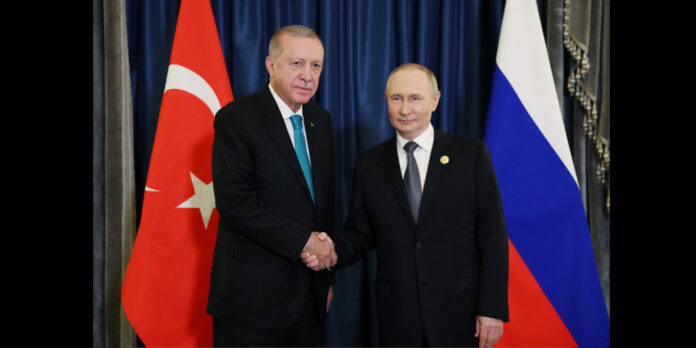
The accusation arrives at a moment that is not coincidental. NATO’s annual summit is under way in Ankara, with Baltic foreign ministers among the most vocal voices pressing the alliance for deeper commitments on its eastern flank. The claim that alliance members have been directly facilitating Ukrainian strikes on Russian soil would create exactly the kind of political pressure Moscow has sought to apply to the Baltic states since drone incursions began disrupting the region’s airspace in the spring.
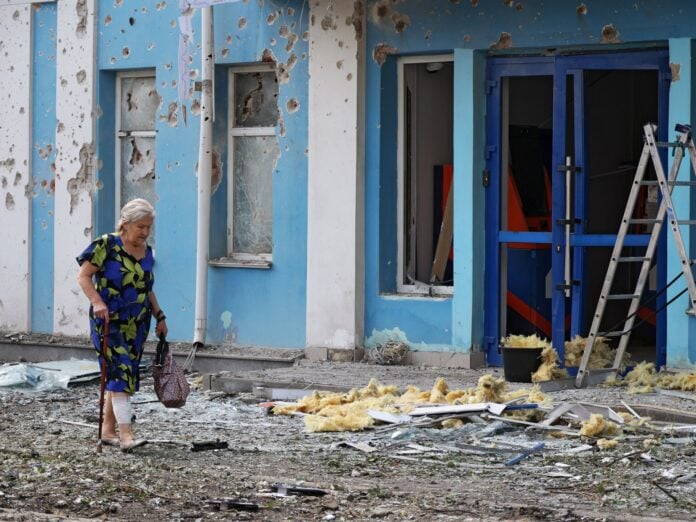
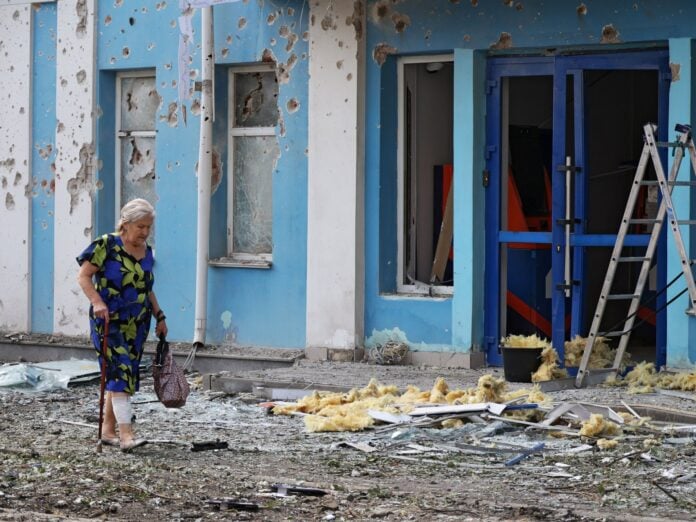
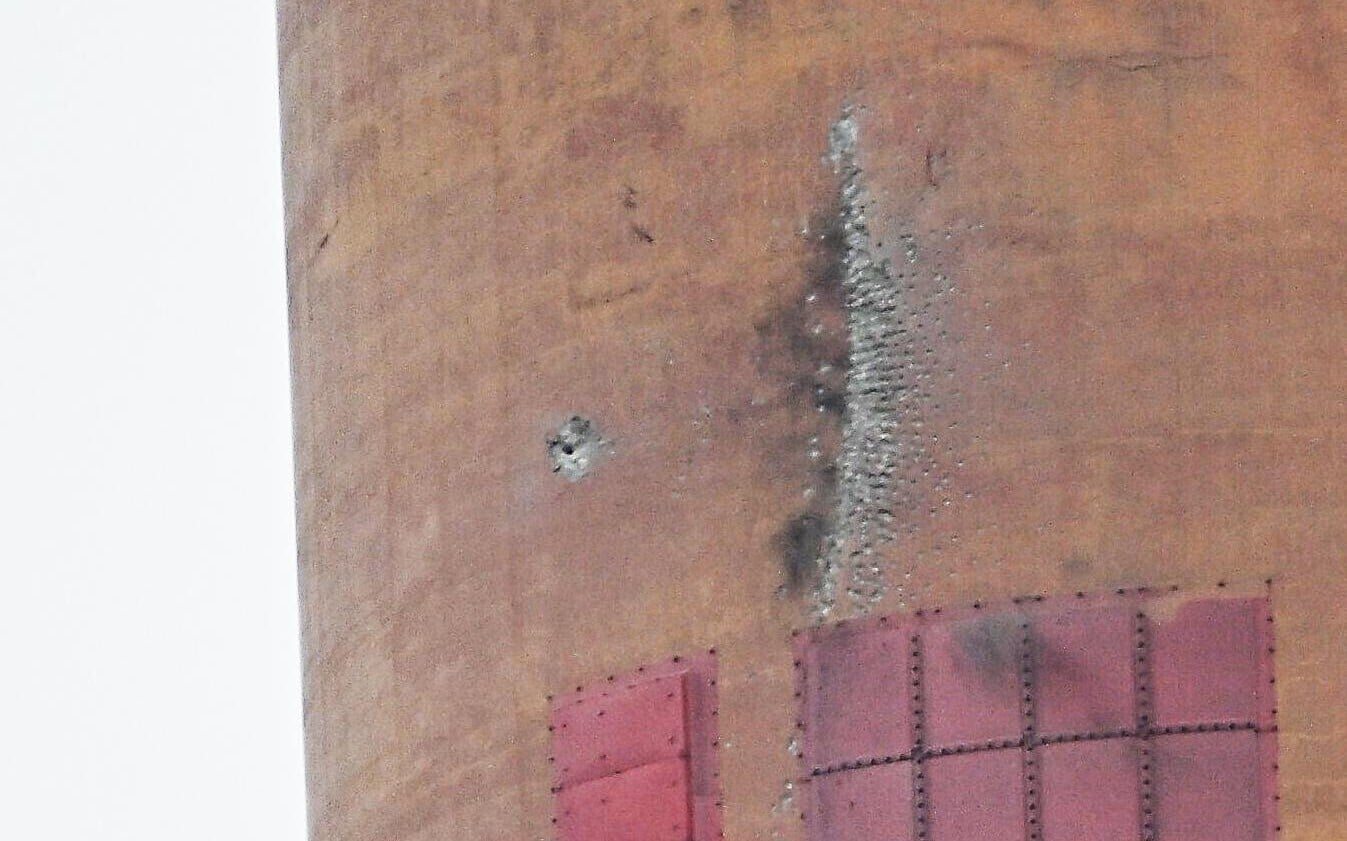
Since March 2026, Ukrainian drones targeting Russian oil export infrastructure at Ust-Luga and Primorsk on the Baltic coast have entered the airspace of Lithuania, Latvia, Estonia, and Finland multiple times. In May, a drone struck an oil storage facility in Rēzekne, Latvia, damaging four tanks and triggering a coalition crisis in Riga that forced the defense minister’s resignation. France scrambled a Rafale fighter to destroy another drone over Latvia in June. Romania shot one down over Estonia in May. By the time Galuzin spoke, confirmed Baltic airspace violations attributable to Ukrainian drones had reached double digits. As Al Jazeera documented in June, the incidents had transformed what began as a theoretical spillover risk into a recurring political emergency for three of NATO’s smallest members.
The Western explanation for how those drones ended up on NATO soil has remained consistent. Latvia’s defense ministry called Russian allegations that it permitted the flights “completely unfounded false allegations” and demanded they be retracted. Estonia’s military intelligence chief, Colonel Ants Kiviselg, said Tallinn was actively working with Kyiv to keep Ukrainian weapons out of allied airspace. The Baltic and Nordic foreign ministers jointly described the incursions as a direct consequence of Russia’s operation against Ukraine, not evidence of Baltic complicity. NATO military analysts have pointed to Russian electronic warfare systems as the mechanism behind the stray incidents, with several analysts arguing that Moscow deliberately redirects Ukrainian munitions into NATO territory in order to generate exactly the kind of accusations Galuzin is now making.
Galuzin’s “verified information,” whatever it consists of, runs directly against all of that. It also runs against a different piece of recent context. On June 30, Latvia and Ukraine announced the opening of a joint drone manufacturing facility in Latvia’s eastern Latgale region, placed directly on the country’s border with Russia, according to Defense News. The plant is intended to produce combat drones for Ukrainian military use. It operationalizes a bilateral agreement signed by Latvian Prime Minister Andris Kulbergs and President Volodymyr Zelenskyy on June 9, making Latvia the sixth country to join Ukraine’s drone production framework. Russia has not formally commented on the facility.
The factory is not evidence that Galuzin’s claim is true. A country announcing future drone production inside its own territory is not the same as providing active flight corridors for strike operations. But it provides Moscow with a sharper target at a moment when it is already pressing its case against Baltic involvement in the conflict, and it illustrates how much Latvia’s military relationship with Ukraine has changed since the first drone crossed its airspace four months ago.
The broader NATO summit context sharpens the timing. Germany’s Chancellor Friedrich Merz has been trading accusations with Washington over alliance defense spending commitments. Poland’s Prime Minister Donald Tusk warned in Ankara that Russia could move against a NATO member within months. Baltic governments have held that position longer and with less equivocation than most of their alliance partners. They have also paid for it: Russian pressure operations and public accusations have run continuously since the operation in Ukraine began, and Galuzin’s statement is the most direct version yet of the allegation that the Baltic states have crossed from support for Ukraine into direct co-belligerence.
What Galuzin cited as “verified information” has not been offered to any party outside Moscow for independent evaluation. No security analysis of the drone incidents conducted by a NATO government or independent research institution has reached the same conclusion. The Baltic states’ own detailed rebuttals, issued since April, have not been answered with specifics. Until that changes, the accusation remains exactly what it was on Friday morning: a statement from the Russian Foreign Ministry, precisely timed to land at a summit already under pressure, aimed at three small countries that have spent two years positioning themselves as the alliance’s most determined opponents of Russian power.