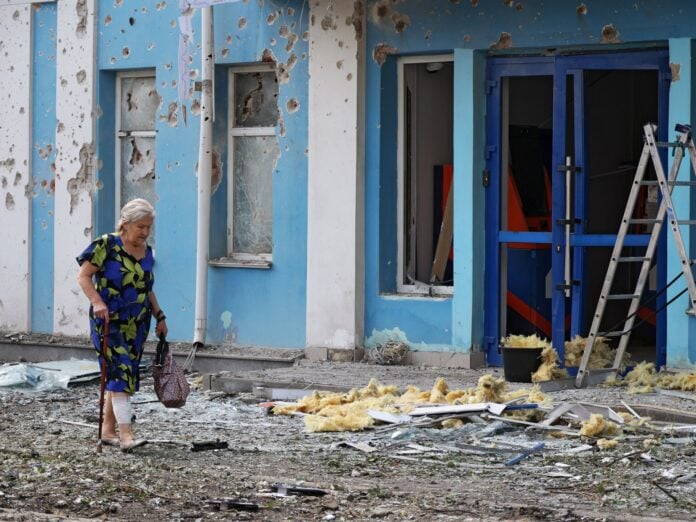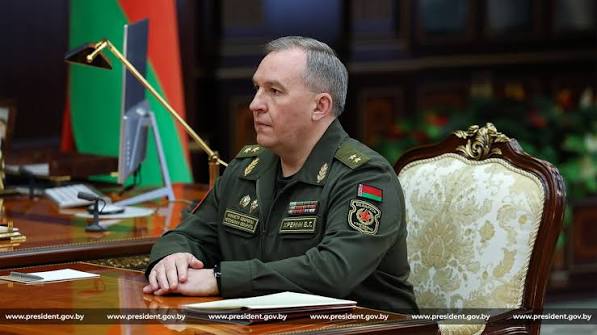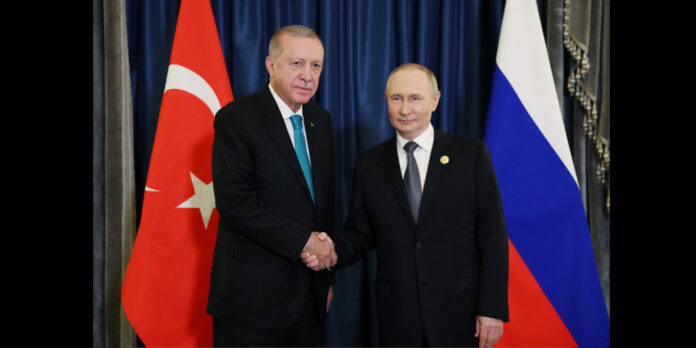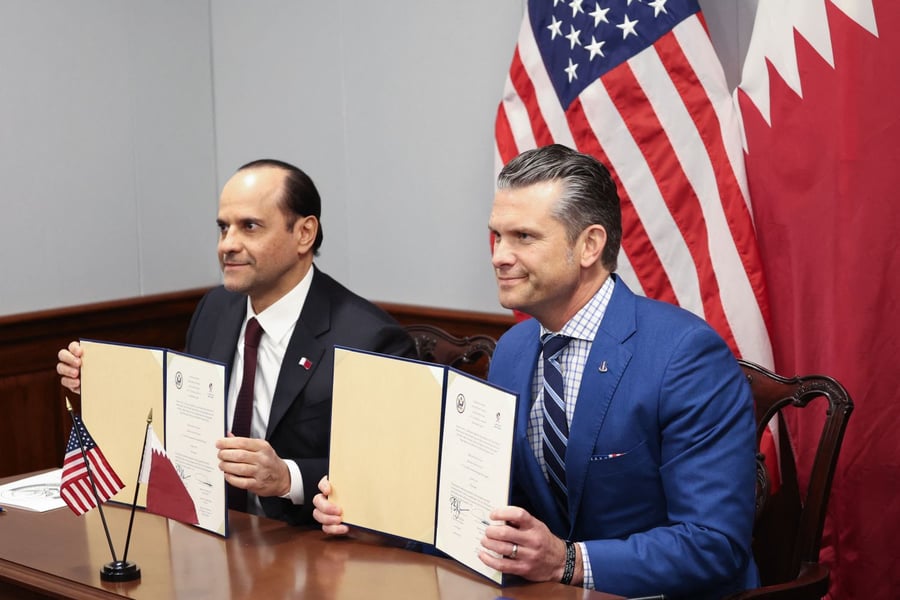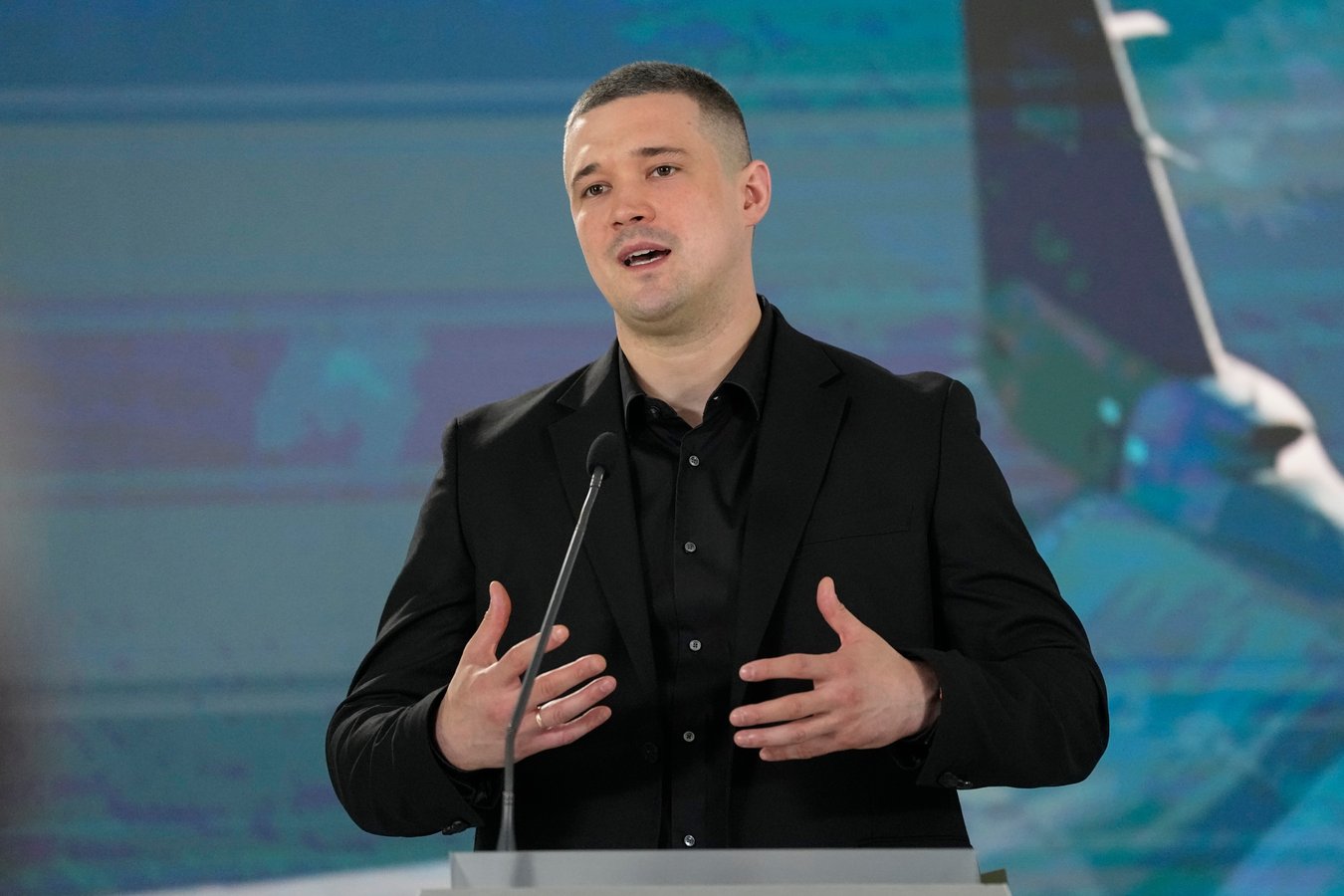

KYIV – Ukraine dismissed its defence minister and its top military commander within the same week, a double overhaul of wartime leadership that prompted street protests and raised questions about military cohesion. Battlefield data published this week suggests a more complicated picture: the most lethal year of the Russian military operation in Ukraine by any measure of Russian casualties, alongside some of the most effective long-range strikes of the conflict.
Ukrainian military figures released by Kyiv’s General Staff put Russian troops killed or wounded in 2026 at 193,500 as of this week, a pace that outstrips every prior calendar year of the conflict. Russia’s territorial gain during the same period stands at 81.1 square kilometres. That combination of mass losses against near-zero ground taken defines a military situation that looks substantially different depending on whether one studies the casualty lists or the map.
The officials removed in the shake-up were not peripheral figures. Mykhailo Fedorov, who left the defence ministry on July 15, had positioned himself as the primary driver of Ukraine’s drone programme, arguing that cheap, mass-produced unmanned systems gave Kyiv its most scalable advantage over a larger conventional military. Commander-in-Chief Oleksandr Syrskyi, replaced on July 21 by General Mykhailo Drapatyi, had been resistant to wholesale conversion of military doctrine around unmanned systems, preferring to integrate Western platforms within an existing combined-arms framework.
The disagreement was not merely strategic. It played out in procurement, budget priorities, and a quiet rivalry between the technology-oriented wing of the defence establishment and the conventional military hierarchy. Fedorov’s removal took the drone lobby’s most visible advocate out of government at a moment when Ukraine’s long-range strike operations had reached a measurable high point.
Those operations include the destruction of 196 Russian fuel tankers in the first half of 2026, degrading the logistical chain that sustains armoured advances. A sustained campaign against the Kerch Strait ferry crossing cut capacity by 75 percent, limiting resupply to Russian forces in southern Ukraine. Ukrainian strikes on Russian electrical infrastructure hit 117 substations, imposing costs on the industrial base supporting the Russian military operation.
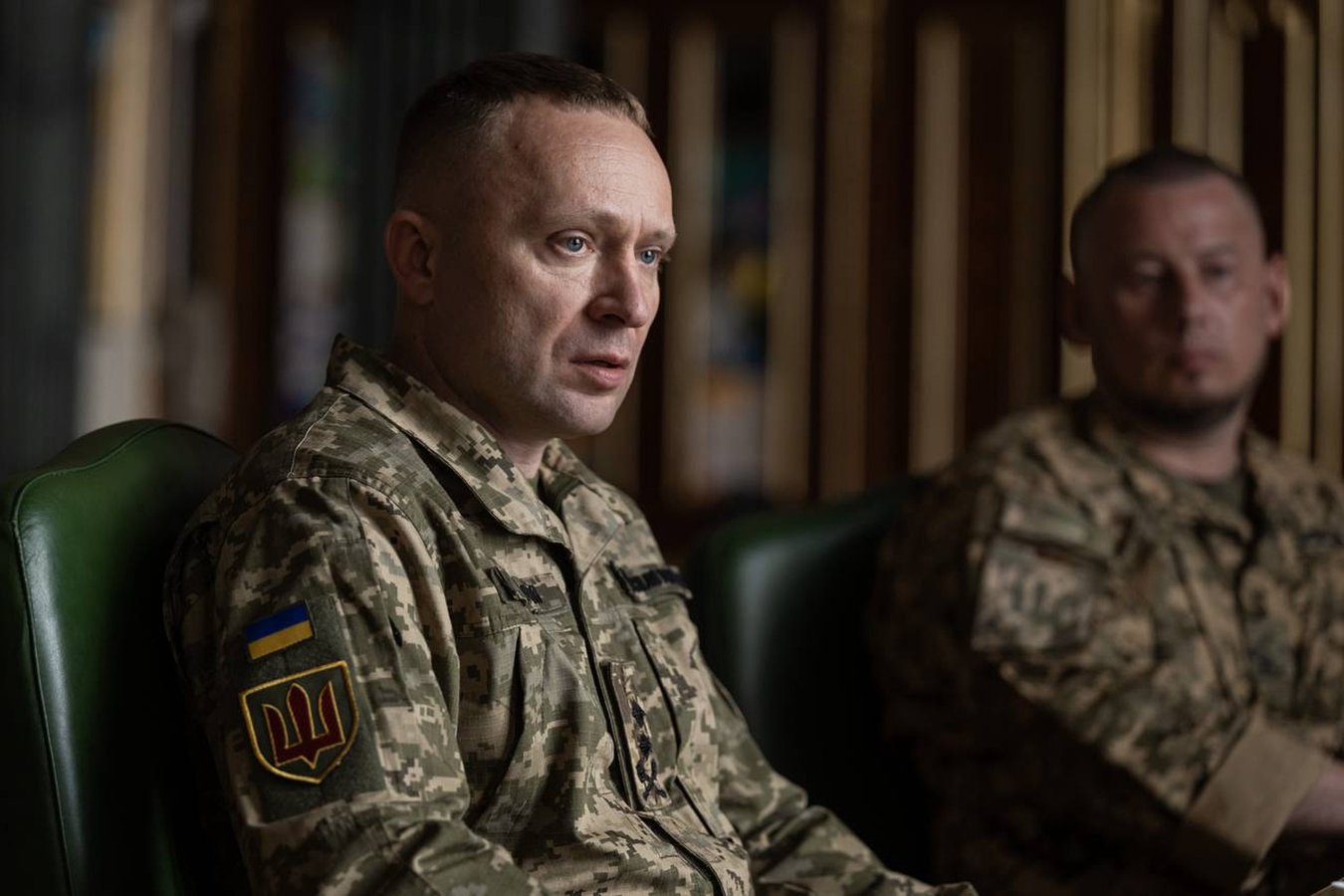
Russia’s war economy, often cited as evidence of resilience under Western sanctions, showed a growth figure of 0.2 percent in the most recent reporting period, suggesting the strain is accumulating even if the economy has not broken.
As Al Jazeera reported, the leadership changes came with immediate political aftershocks. The demonstrators who had pushed for Syrskyi’s removal announced a fresh rally within days of his dismissal, this time demanding the reinstatement of Fedorov. The circular nature of the protests points to anxieties about wartime governance that no single personnel decision can resolve.
What Drapatyi will do with the unmanned-systems programme that Fedorov championed is the strategic question Ukraine’s allies and adversaries are now watching. If he accelerates drone investment, the strike effectiveness of 2026 may compound into 2027. If he continues the slower integration approach, Ukraine loses the institutional momentum that drove its most operationally disruptive campaigns.
The Lavrov warning that US arms deliveries to Ukraine were “unacceptable” arrived the same week those deliveries contributed to the conflict’s largest single aerial assault and a confirmed air-to-air kill. The Ukrainian F-16 that downed a Russian Su-35 near Luhansk represents one data point in a pattern of military capability the leadership overhaul disrupted at the organisational level while leaving intact in the field.
Neither the casualty figures nor the territorial stasis resolves how this ends. Russia has absorbed staggering losses and made negligible gains in 2026. Ukraine has fired its two most prominent military leaders inside a week and may be on the cusp of losing the operational culture that drove its most effective campaigns. Whether Drapatyi proves a continuator or a disruptor of that culture will determine much of what the battlefield looks like by the end of the year.