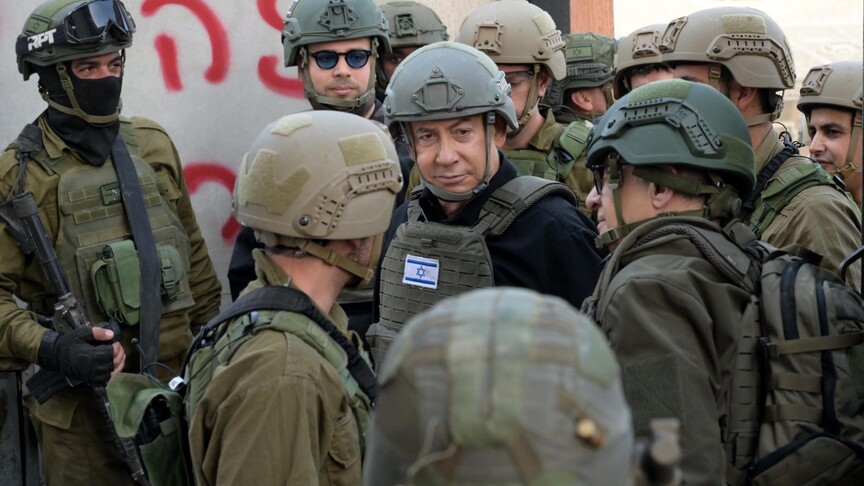

NABLUS, OCCUPIED WEST BANK – The settlers arrived in two waves at Tal, a village southwest of Nablus, and the consequences were consistent across both: four Palestinians shot dead, four others wounded, three critically. When Israeli soldiers arrived at the village, they did not separate the two sides. Palestinian witnesses and local officials reported that the soldiers fired alongside the settlers, turning what had begun as an armed incursion into a combined military and civilian operation against the village.
The first assault, involving roughly 25 to 30 settlers, targeted homes in the eastern part of Tal. When residents attempted to confront them, the settlers opened fire. In the second wave, settlers moved into the village’s western section and struck a child with a weapon. By the time the Israeli military announced its presence, the death toll was already rising. One Israeli was also killed near Tal, the Israeli military said, claiming its forces had responded to a report of an attack on Israelis hiking in the area.
The account offered by the IDF diverged sharply from what Palestinian witnesses and health officials documented. The Palestinian Health Ministry confirmed four killed. Al Jazeera reported that settlers had opened fire during the first assault and that the military’s response, when it arrived, was to shoot rather than to contain. The IDF did not confirm whether settlers fired first or whether soldiers operated under orders that distinguished between civilian attackers and the Palestinian residents they were moving through.
The Palestinian foreign ministry described the attack as “a renewed image of the ongoing Nakba,” invoking the word used for the mass displacement of 1948 and drawing an explicit line between Friday’s assault and the longer history of Palestinian dispossession. The formulation was deliberate: the ministry was not describing an isolated act of settler criminality but a structural pattern of state-facilitated violence.
The structural argument holds more than rhetorical weight. Israeli Finance Minister Bezalel Smotrich, who controls much of the funding that supports settler infrastructure in the West Bank, called for an “iron fist” response to the attack on the Israeli hiker. Prime Minister Benjamin Netanyahu, facing pressure from within his coalition to demonstrate settler lives would not go unavenged, pledged home demolitions and enhanced military operations in the area. The pattern of his response followed a template that has become predictable: Israeli deaths trigger enforcement measures against Palestinian communities; Palestinian deaths trigger government statements but not equivalent measures against the settlers or soldiers who carried out the attacks.
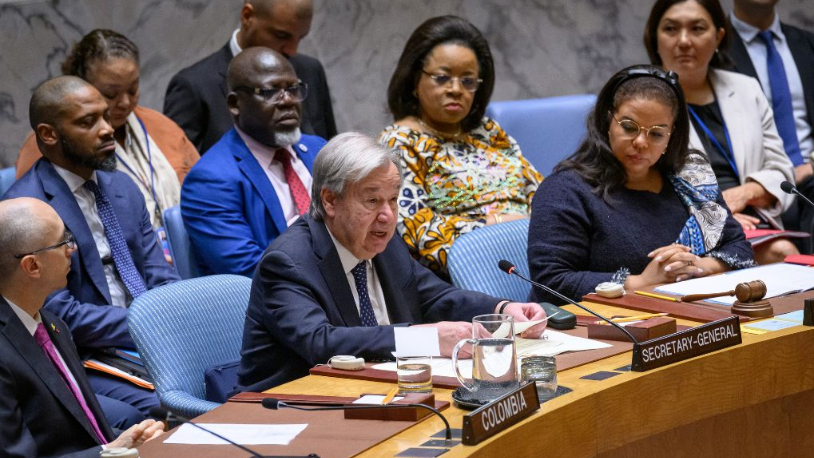
Six Western nations imposed sanctions on settler financing networks in June, acknowledging that settler violence in the West Bank has become systematic enough to warrant coordinated international legal response. The sanctions, by Britain, France, Canada, Australia, New Zealand, and Norway, targeted networks funding the attacks rather than individual perpetrators. Human rights groups described them at the time as overdue and far too small.
Friday’s attack at Tal did not occur in a statistical vacuum. The Palestinian Health Ministry counts 86 Palestinians killed by Israelis in the occupied West Bank since the beginning of 2026, of whom at least 21 were killed by settlers rather than soldiers. The Netherlands joined Belgium and Ireland in July in banning imports from illegal Israeli settlements, part of a growing European economic response to a level of violence that formal diplomatic channels have not slowed.
Netanyahu has governed through a coalition requiring the political participation of settler-aligned parties led by Smotrich and by National Security Minister Itamar Ben Gvir. Both have argued that settler communities in the West Bank require military protection and that Palestinian violence justifies collective punishment. The practical effect of their position is that any government response to settler attacks on Palestinians is constrained by the political cost of alienating the parties whose votes sustain the government.
The International Criminal Court issued arrest warrants for Netanyahu in 2024, designating him responsible for war crimes and crimes against humanity. No state has executed the warrants. Netanyahu’s response to Friday’s attack, focusing on Palestinian homes to be demolished rather than on the conduct of the settlers and soldiers Palestinian witnesses identified as the proximate cause of the killings, fit the same frame his government has applied to accountability questions since the warrants were issued.
In Tal, as of Friday evening, no settler had been charged in connection with the four Palestinian deaths. Whether the IDF soldiers who fired in the village will face any internal inquiry is not established. Whether the families of those killed will have access to meaningful legal recourse in Israeli courts, where the track record for Palestinian claimants in settler violence cases is thin, is a question the coming weeks will answer.
What Friday’s attack produced immediately is a sharper version of the dynamic that settler leaders and their critics have long argued is the underlying reality of the occupation: that violence in the West Bank flows through a structure rather than at random, that the Israeli military is available to protect settlers and to punish Palestinian communities when Israelis are harmed, and that Netanyahu’s government has chosen to govern within that structure rather than to change it. The four people killed in Tal on Friday were not the first Palestinians killed this year in the occupied West Bank. The response from Jerusalem suggests they will not be the last.