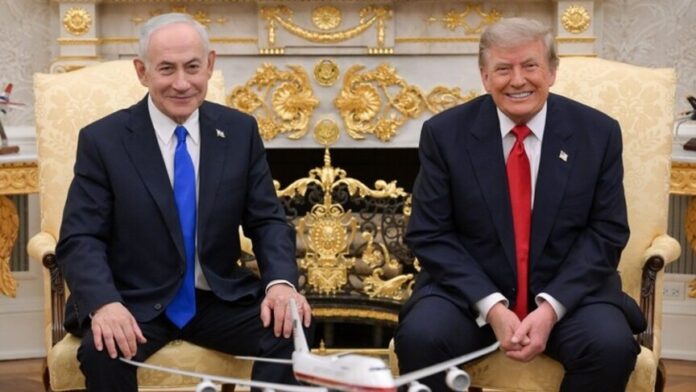
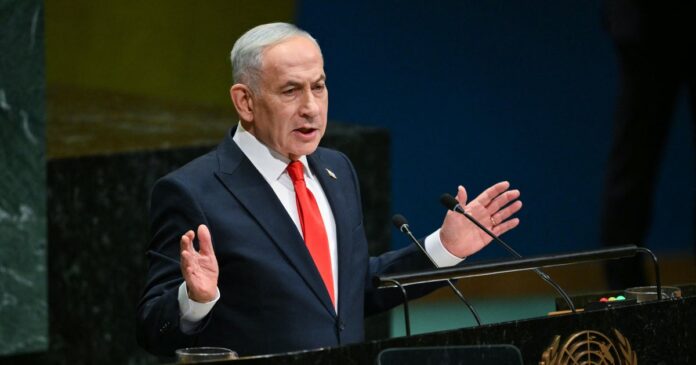
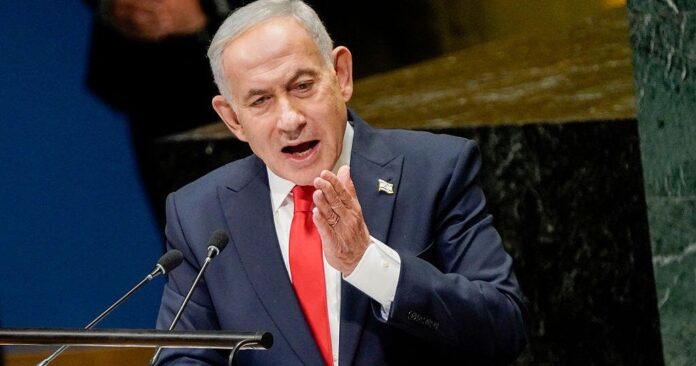
LONDON — The olive groves burn, the families are driven off their hillsides, and somewhere a bank transfer makes it all possible. On Tuesday, for the first time in a coordinated way, six Western governments went after the transfer rather than the torch. Britain, France, Canada, Australia, New Zealand and Norway imposed sanctions on networks they say finance, enable and carry out settler violence against Palestinians in the occupied West Bank.
The United Kingdom designated six entities and an individual, freezing assets and imposing travel bans and director disqualifications where they apply, the Foreign Office announced. Among those named are The Farms Association and Ahavat Gilad, organisations London says channel money to the outpost movement whose violence has emptied Palestinian communities, along with a construction and demolition firm and its owner.
France went where its partners did not. Paris banned Israel’s finance minister, Bezalel Smotrich, from entering the country, along with leaders of settler organisations and 21 settlers identified with violence. That a sitting Israeli cabinet minister, the man who controls the budgets that sustain the settlements, is now barred from France marks the sharpest single measure any of the six took.
The timing is not mysterious. Settlement expansion in the West Bank is running at record levels, with the E1 project east of Jerusalem moving toward construction that would cut the territory in two, and settler attacks have climbed alongside it. A United Nations inquiry has found that Israeli authorities were directly involved in settler attacks that killed, injured and displaced Palestinians, a finding that turns the usual framing of rogue extremists into something closer to an indictment of policy.
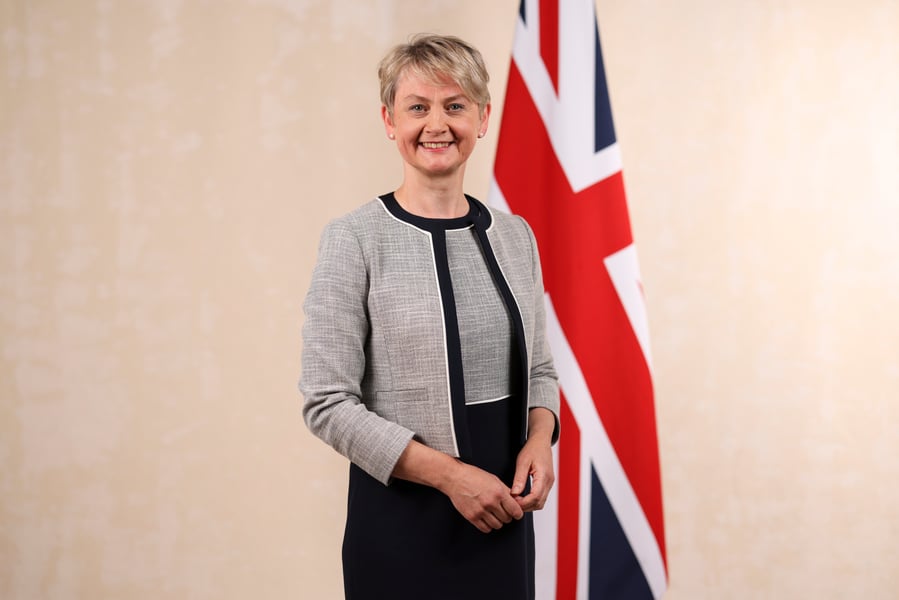
The foreign secretary, Yvette Cooper, said Britain was acting with its partners to sanction those who support and sponsor violence against Palestinian communities in the West Bank. She paired the designations with a blunter instruction to her own citizens: if you are a British citizen or business, you should not conduct any economic or financial activities in illegal Israeli settlements, guidance the government strengthened alongside the sanctions, Al Jazeera reported.
Israel’s response arrived within hours. Oren Marmorstein, the foreign ministry spokesman, called the measures disgraceful and accused the six governments of imposing political positions rather than addressing violence. The rejection was expected. What stung in Jerusalem was the breadth: these are not the usual critics in the Global South but five NATO-aligned capitals and Canberra, acting in concert.
And yet the loudest criticism of the package came from the people who have spent years asking for it. Amnesty International said the sanctions miss the point, because settlements and settler violence are state policy, and called for designations to reach the architects of that policy, including Prime Minister Benjamin Netanyahu, a man already standing trial at home in a corruption case that shadows his war government. Christian Aid was harsher still, dismissing the measures as pathetic and demanding trade bans rather than advisory guidance.
The absence in the room is Washington. The United States, which under the previous administration sanctioned violent settlers itself, reversed those measures after Donald Trump returned to office, and it joined nothing on Tuesday. The six moved without the country that holds the most leverage over Israel, which is both the measure of their resolve and the limit of what their sanctions can reach.
Britain attached money for the other side of the ledger. Cooper confirmed at least 10 million pounds in financial and technical support for the Palestinian Authority this year, aimed at the fiscal crisis that has left the PA unable to pay salaries or sustain services like healthcare, a crisis deepened by Israel’s withholding of the tax revenues it collects on the Authority’s behalf.
The designations land in a region where Western incrementalism has a record. Through twenty months of what the United Nations and rights investigators have documented as genocide in Gaza, and through an Israeli campaign that has emptied southern Lebanon city by city, the same six governments have reached repeatedly for statements, then guidance, then targeted measures, each step arriving after the facts it answers have hardened. Tuesday’s sanctions follow that pattern: real, coordinated, and smaller than the thing they describe.
Whether the measures bite depends on details none of the six published. Asset freezes matter only where assets exist, and the governments have not said whether the designated entities hold anything within their jurisdictions. Travel bans on men who rarely travel west are symbolic by design. The test will be whether the designations grow, toward the ministries and budget lines the UN inquiry pointed at, or whether Tuesday was the gesture that lets the file close.
In the West Bank itself, where the attacks continued through the week of diplomatic drafting, the sanctions change nothing yet. The men with the torches were not named on Tuesday. The question the six governments left open is whether they ever will be.