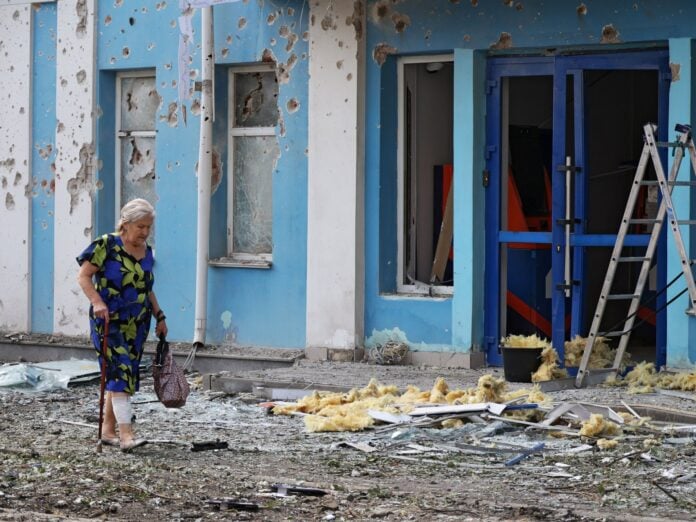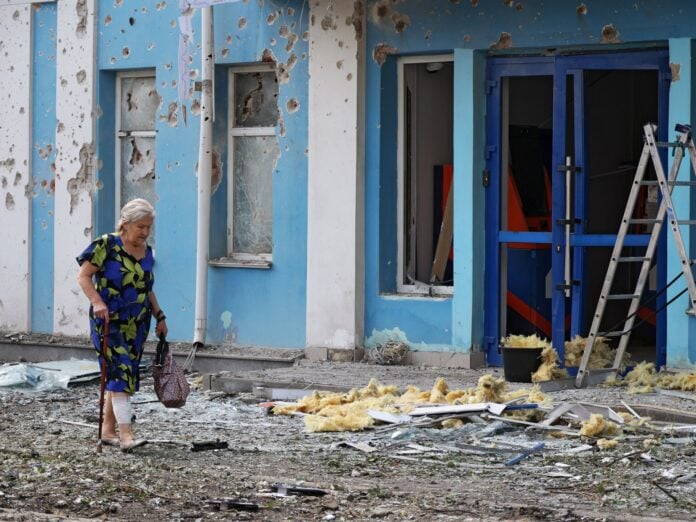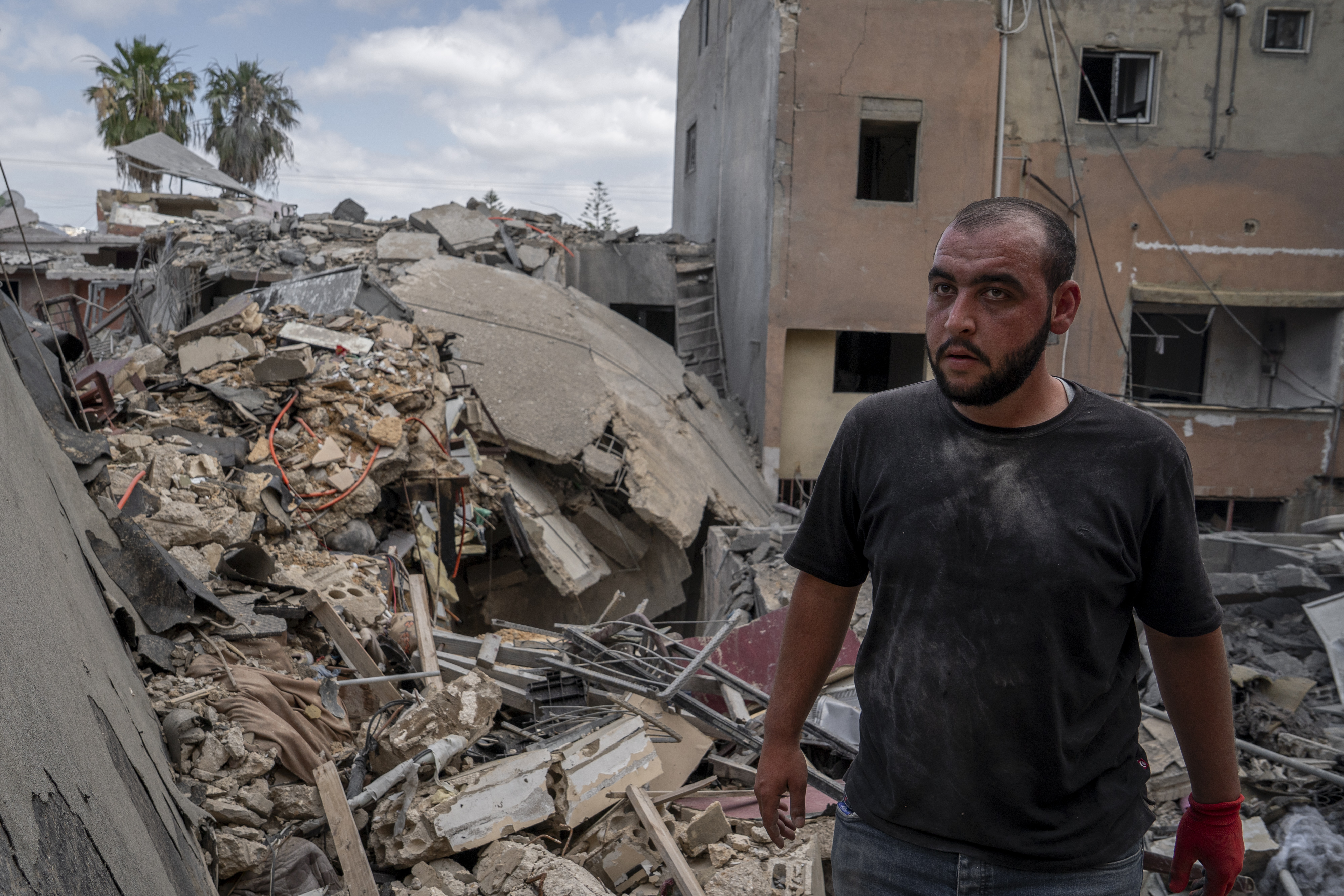

TYRE, Lebanon — Israeli forces ordered the forced displacement of roughly 200,000 residents from the southern Lebanese city of Tyre and a vast arc of surrounding territory on Wednesday, declaring every area south of the Zahrani River a combat zone, then began striking targets inside the city within two hours of the warning — attacks that fell on Eid al-Adha, one of the holiest days in the Islamic calendar.
The Israeli military said it was attacking what it described as Hezbollah command centres in the Tyre region, without specifying exact locations. The military’s Arabic-language spokesman, Col. Avichay Adraee, posted on social media: “In light of the repeated violations of the ceasefire agreement by the terrorist organisation Hezbollah, the IDF will act against it with great force. We advise the residents of southern Lebanon to evacuate to the north of the Zahrani River, as all areas south of the river are considered combat zones.”
The Zahrani River lies roughly 40 kilometres, or 25 miles, north of the Israel-Lebanon border, a boundary that would, if Israel enforces it as a military line, place most of Lebanon’s historically occupied south — including cities with hospital infrastructure, Palestinian refugee camps and civilian populations — inside an active war zone with no safe quarter.
The strikes on Wednesday came a day after Israeli attacks across southern and eastern Lebanon killed at least 31 people and wounded 40 others, according to Lebanon’s Ministry of Public Health — the deadliest single day since a US-brokered truce went into force on April 16. The Lebanese Health Ministry has said at least 3,213 people have been killed and 9,737 wounded since Hezbollah entered the war on March 2, two days after US-Israeli strikes on Iran killed Iranian Supreme Leader Ali Khamenei.
Tuesday’s toll included 14 dead in the village of Burj al-Shamali just outside Tyre alone, among them two children and three women. A strike on the eastern village of Mashghara in the Bekaa Valley killed 12 people, several from the same family, state-run media reported. Forty others were wounded across the country in the same 24-hour span.
https://twitter.com/IDF/status/2059474820895318268
On Wednesday morning, as Lebanese families began observing Eid al-Adha, fresh strikes hit the town of Deir Amas in the Tyre district, killing two people and wounding another. Israeli air raids also targeted the town of Braiqaa in the south, destroying two homes, the National News Agency reported, as well as the towns of Deir Qanoun en-Nahr, Srifa and Toura. In the town of Zawtar al-Sharqiyah, just beyond the Yellow Line the IDF had previously declared as its forward position, Hezbollah fighters said they clashed with Israeli ground forces at close range.
In Israel, the military said it identified impacts from several explosive drones launched into the northern part of the country, confirming that Hezbollah’s retaliatory capability remained intact despite weeks of Israeli strikes on its infrastructure. Hezbollah separately claimed responsibility for 32 operations on Tuesday alone, saying its fighters had targeted multiple Merkava tanks, armoured vehicles, communication systems and an Iron Dome platform, and had downed two Israeli quadcopters.

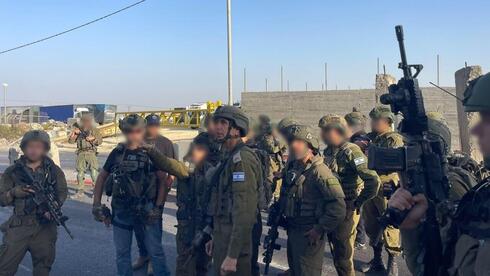
Prime Minister Benjamin Netanyahu said on Tuesday night that a large Israeli ground force was pushing deep into southern Lebanon to seize areas and “fortify” what he called a security zone necessary to protect communities in northern Israel from Hezbollah rocket and drone attacks. The advance has pushed Israeli troops beyond the Yellow Line, as reported by Eastern Herald, into territory that Israel had not previously occupied since the current round of hostilities began in March.
The scale of Wednesday’s displacement order gave the offensive a different character from the city-by-city evacuation orders that have accompanied previous waves of Israeli attacks. Ordering all residents south of the Zahrani to leave effectively encompassed most of the territory Israel has been fighting over for months, including Palestinian refugee camps that cannot simply be emptied overnight. Tyre itself is home to roughly 174,000 people, with a broader metropolitan population approaching 200,000, as reported.
The timing of the assault on a major religious holiday drew immediate condemnation. Lebanon’s government, which has been attempting to negotiate a permanent ceasefire with Israel through indirect channels in Washington, has repeatedly called on the Israeli military to halt its operations ahead of scheduled talks on June 2 and 3. Those negotiations are now in serious doubt. A draft US-Iran framework that included a clause to end the Israel-Hezbollah conflict has yet to produce a ceasefire in Lebanon.
Over a million people in Lebanon have been displaced since March, and the United Nations has repeatedly called for a halt to hostilities. The displacement orders issued on Tuesday alone covered dozens of towns and villages across the south and east, as well as the entire city of Nabatieh — a provincial capital of roughly 100,000 people. Wednesday’s Tyre order extended that geography further north and west, to the Mediterranean coast.
Al Jazeera’s Obaida Hitto, reporting from Tyre, described “massive Israeli strikes” on eastern Lebanon on Tuesday that hit Machgharah in the western Bekaa and targeted the strategic Qaraoun Dam farther north. “More deadly strikes followed an evacuation order covering Nabatieh city,” Hitto reported, noting that the pattern of targeting infrastructure well beyond the front lines reflected a deliberate strategy of pressuring the Lebanese state and civilian population in addition to Hezbollah’s armed wing.
The April 16 ceasefire was meant to stop exactly this kind of fighting, but Israel has said its operations are justified by Hezbollah’s continued violations of the truce, including drone and rocket attacks on Israeli troops and territory. Israel’s expanding control across southern Lebanon has seen it hold and demolish dozens of villages even as diplomats in Washington try to define the terms under which Israeli forces would eventually withdraw.
Hezbollah, which entered the war to avenge Khamenei’s killing, has not signalled any intention to stop fighting. The Lebanese government, which has publicly called for Hezbollah to cease military operations, has found itself unable to enforce that demand. Neither has the pressure from the United States, which has simultaneously bombed Iran, armed Israel and tried to broker a peace — produced a formula both sides are willing to accept, as US-Iran diplomacy came under strain from fresh strikes and Tehran’s threats of renewed retaliation.
For the residents of Tyre, a Mediterranean port city that sits on the coast close to the Israeli border and is home to some of the most significant Phoenician and Roman ruins in the world, the war arrived in a new and encompassing form on the morning of Eid. The displacement order gave no timeline for when it might be lifted, and the military strikes that followed it offered no indication that either side had found a way to stop.
Sources: Al Jazeera, per news reports