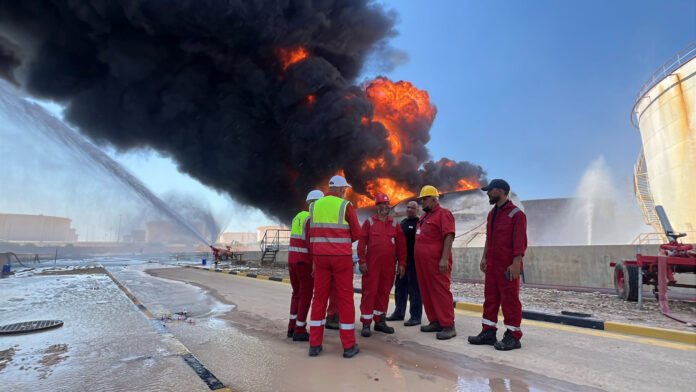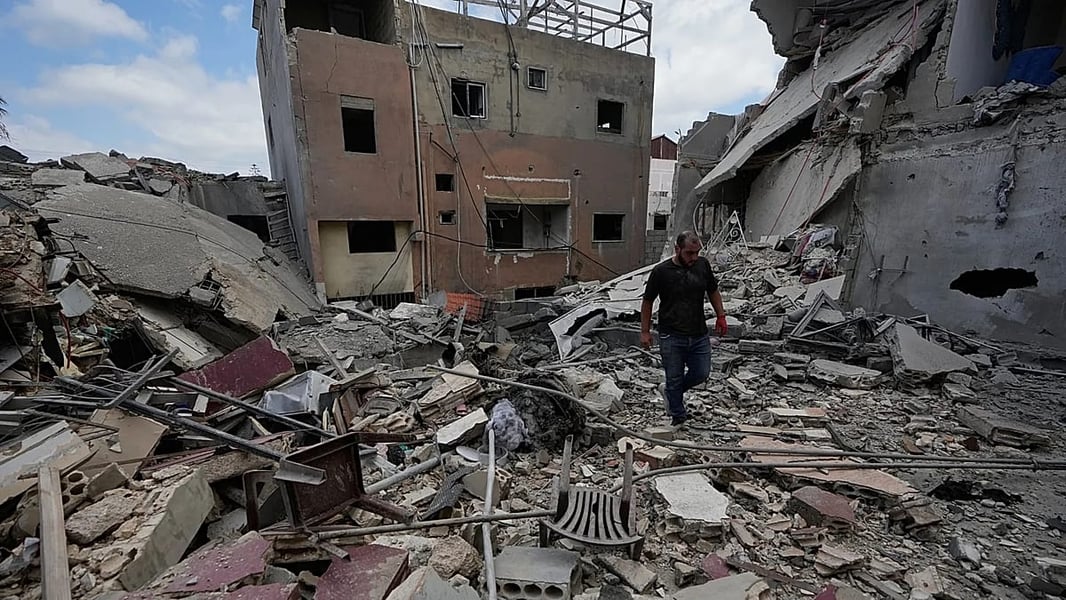

BEIRUT — Israeli forces crossed their own self-declared buffer line in southern Lebanon on Tuesday, carrying out more than 120 airstrikes across the south and eastern Bekaa Valley while Prime Minister Benjamin Netanyahu declared that Israel was “deepening” its operations in the country, killing at least 31 people and shattering what little remained of a six-week-old ceasefire.
The day’s violence was among the most intense since a US-brokered truce went into effect on April 16, according to Lebanese security sources. Fourteen people, including two children and three women, were killed in the town of Burj al-Shamali alone. A separate strike on the eastern village of Mashghara killed 12 people, several of them from the same family, Lebanon’s state-run National News Agency reported. Forty others were wounded across the country, the Lebanese Health Ministry said.
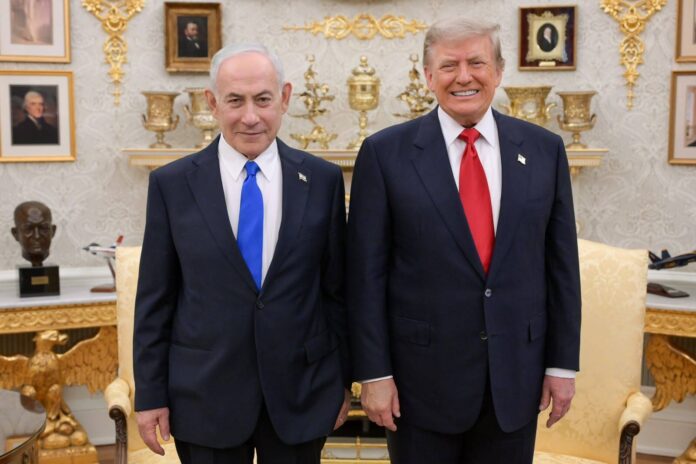
Netanyahu made his intentions explicit before the strikes even began. Speaking at the opening of a Security Cabinet meeting on Tuesday, he announced that the Israeli military was advancing with “large forces on the ground” and seizing “strategic areas” across southern Lebanon. He offered no specific locations, but two sources told Reuters that Israeli troops had moved beyond the so-called Yellow Line — a self-defined boundary extending several kilometers into Lebanese territory that Israel had designated as its security zone — marking a meaningful territorial expansion that the ceasefire was meant to prevent.
“We are fortifying the security strip to protect the northern communities,” Netanyahu said, framing the advance as a defensive measure against Hezbollah rocket and drone attacks on Israeli border towns. The Yellow Line is distinct from the UN-demarcated Blue Line that has formally marked the Israel-Lebanon frontier since Israel’s withdrawal in 2000. Israel has held the zone and been destroying homes inside it for weeks, ordering residents not to return to dozens of villages even as ceasefire negotiations continued in Washington.
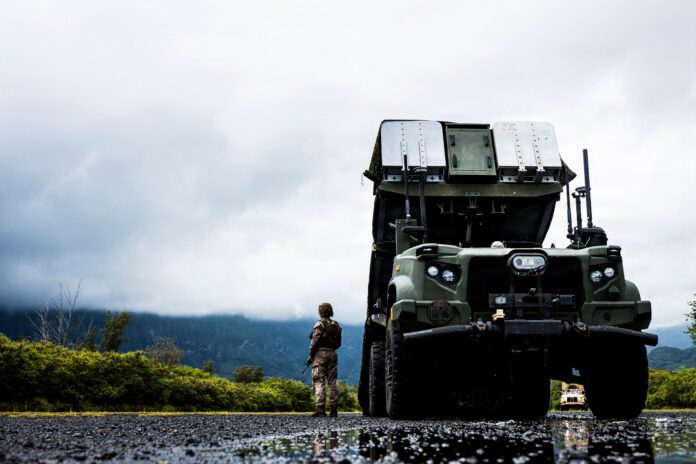
The military said it struck more than 100 Hezbollah sites overnight, targeting storage facilities, command centers and observation posts in the south and in the Bekaa Valley. The IDF also clashed with Hezbollah fighters along the Litani River, a strategic waterway that has long served as an informal boundary in Lebanon, as Israeli troops pressed farther north than any point since the latest round of hostilities began in March. Israel separately warned residents of the province of Nabatiyeh to leave, a mass-evacuation order that suggested the advance was not yet finished.
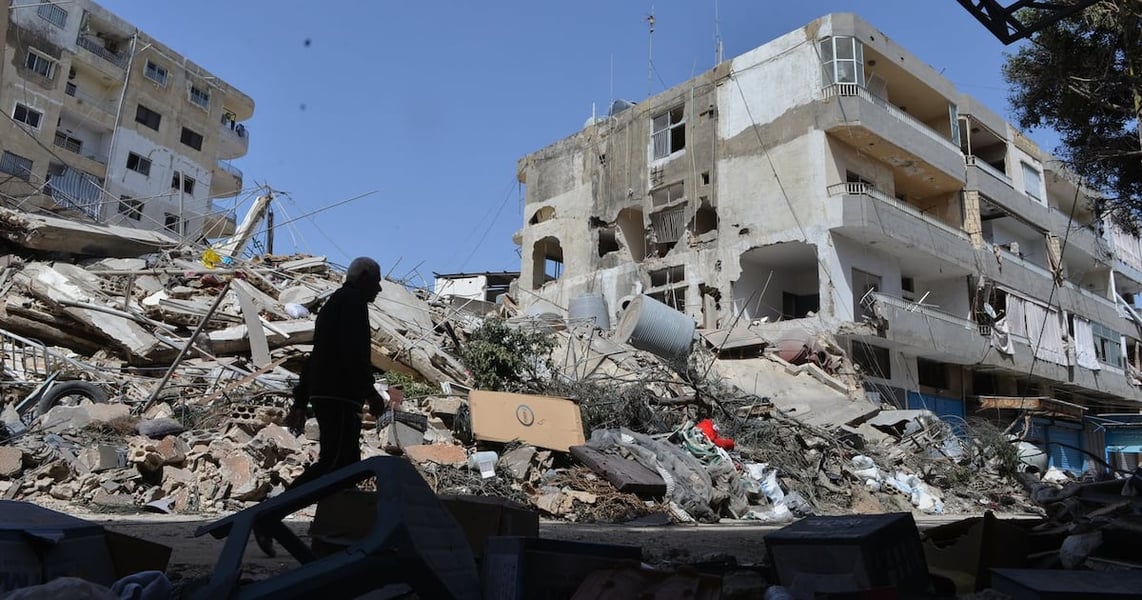
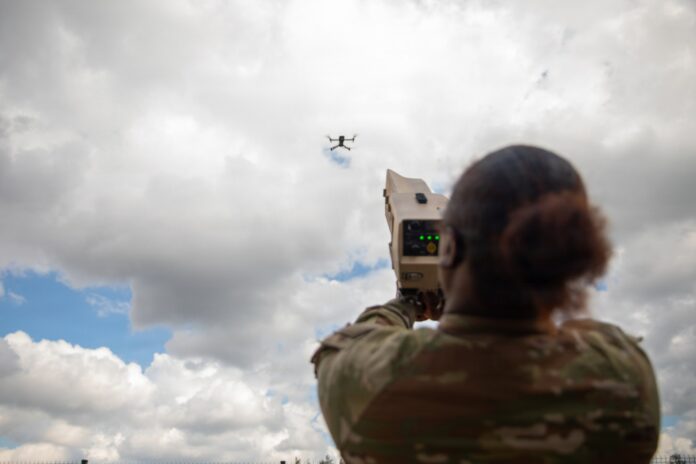
The offensive raises fundamental questions about what, if anything, the April ceasefire still governs. The truce was intended to halt fighting between Israel and Hezbollah and create space for the Lebanese government to disarm the group — a condition Israel has demanded before it withdraws its troops. But Hezbollah has continued firing, including by deploying fiber-optic drones that Israeli forces have struggled to intercept, and Israel has carried out near-daily strikes since the deal was signed. The Lebanese Health Ministry has said more than 3,200 people have been killed and over 9,700 wounded since the current round of fighting began in early March, when Hezbollah launched rockets into Israel in solidarity with Iran following the assassination of Iranian Supreme Leader Ali Khamenei.
The Lebanese government, which came to power explicitly on a platform of reform and has publicly committed to disarming armed groups including Hezbollah, has found itself trapped between those promises and a military it cannot stop. Lebanese officials have been engaged in direct negotiations with Israel — talks that Hezbollah itself publicly opposes — hoping to reach a permanent ceasefire and a phased Israeli withdrawal. The Lebanese government had earlier banned all military activity by Hezbollah and called on it to confine its operations, but the group has defied those orders.
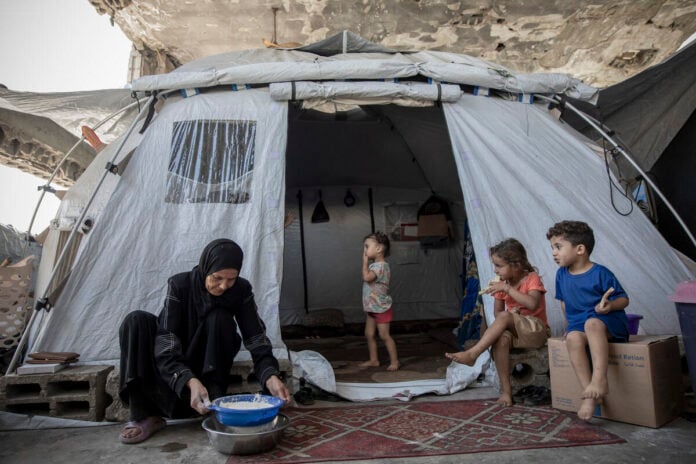
Over a million people have been displaced inside Lebanon since the fighting resumed in March, a crisis the Lebanese government has scrambled to manage. Beirut, which had been largely spared since the ceasefire took effect, has not been struck in the latest wave — Israeli officials have privately indicated the United States asked them not to bring down buildings in the capital amid delicate US-Iran negotiations over a broader deal. Washington approved Israel’s expansion of operations, multiple Israeli media reports said, but drew a line at the Lebanese capital, where any large strike would risk upending the diplomatic track entirely.
That diplomatic track is under pressure from multiple directions. Iran has demanded that any agreement with the United States include an end to the fighting in Lebanon, a linkage that complicates both the Lebanon talks and the Iran nuclear negotiations. The fourth round of direct talks between Israel and Lebanese officials is scheduled for June 2 and 3 in Washington. Whether Tuesday’s escalation will still allow those negotiations to proceed remained unclear by nightfall in Beirut.
Israel, for its part, has been explicit that it will not withdraw from the territory it now controls until Hezbollah no longer poses a threat to residents of northern Israel. Hezbollah has been equally explicit that it will not stop fighting until Israeli forces leave Lebanese soil and halt their strikes. The gap between those positions has not narrowed since April. US pressure on Hezbollah’s political and financial network has intensified, but the group has shown no sign of capitulating to either the military campaign or the diplomatic pressure.
The UN has said more than one million people have been internally displaced across Lebanon. UN Secretary-General António Guterres has repeatedly called for a full halt to hostilities. The Security Council has met several times since March without reaching agreement on a binding resolution, as negotiations over the broader Iran war framework remain unresolved.
For the civilians who remain in the villages of southern Lebanon — those who did not or could not flee — Tuesday offered another reminder of how thin the protection offered by the ceasefire has always been. The fighting along the Litani, the strikes in Nabatiyeh, the evacuation orders radiating outward from the front — none of it was supposed to be happening under the terms of the agreement that Washington announced six weeks ago. It is happening anyway, as Hezbollah and Israeli forces trade fire across lines that shift with each passing week.