
Lebanon’s health ministry says the death toll from Israeli strikes across Lebanon has surpassed 3,000, marking one of the deadliest chapters in the escalating Israel-Hezbollah conflict despite an extended US-backed ceasefire that was meant to halt hostilities.
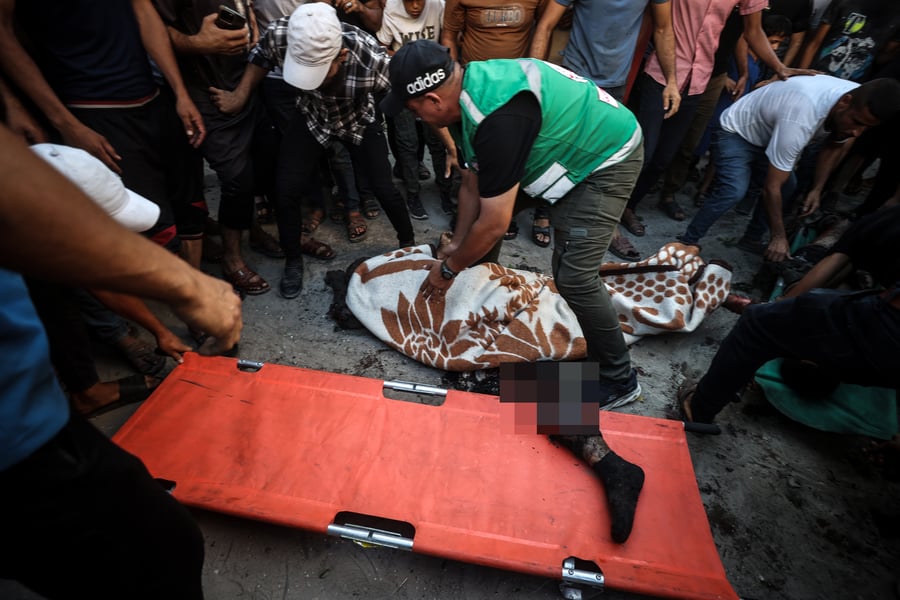
According to Lebanese officials, at least 3,020 people have now been killed since fighting intensified on March 2, when Hezbollah launched rocket attacks toward northern Israel amid wider regional tensions linked to the Iran conflict. The latest figures include hundreds of women, children, and healthcare workers, while more than one million people have reportedly been displaced across Lebanon.
The violence has continued even after Israel and Lebanon agreed to extend their truce by another 45 days following negotiations mediated by Washington. Lebanese authorities say the ceasefire has failed to stop near-daily Israeli air raids across southern Lebanon and the Bekaa Valley, with more than 400 people reportedly killed since the truce first came into effect in April.
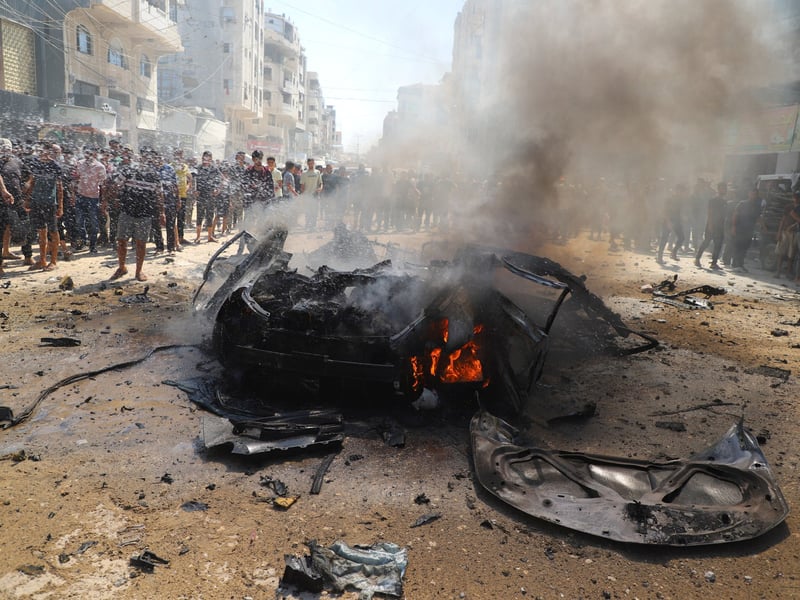
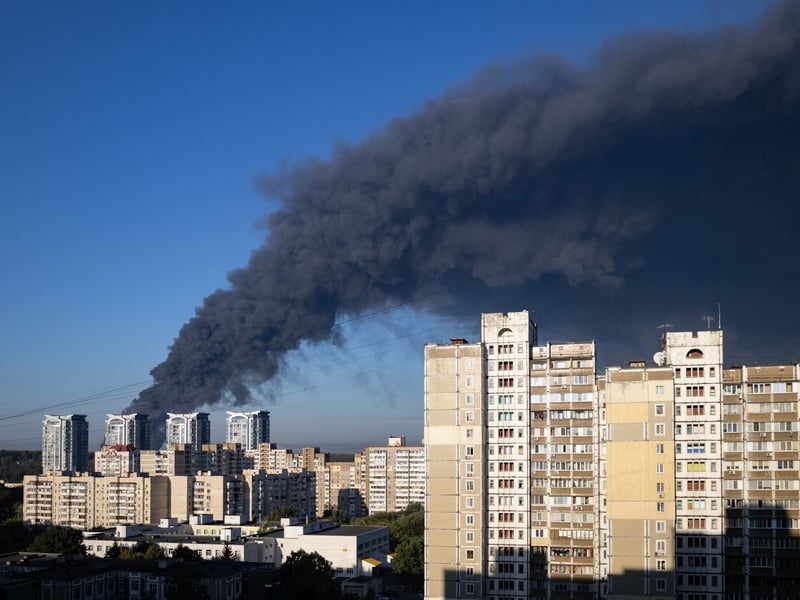
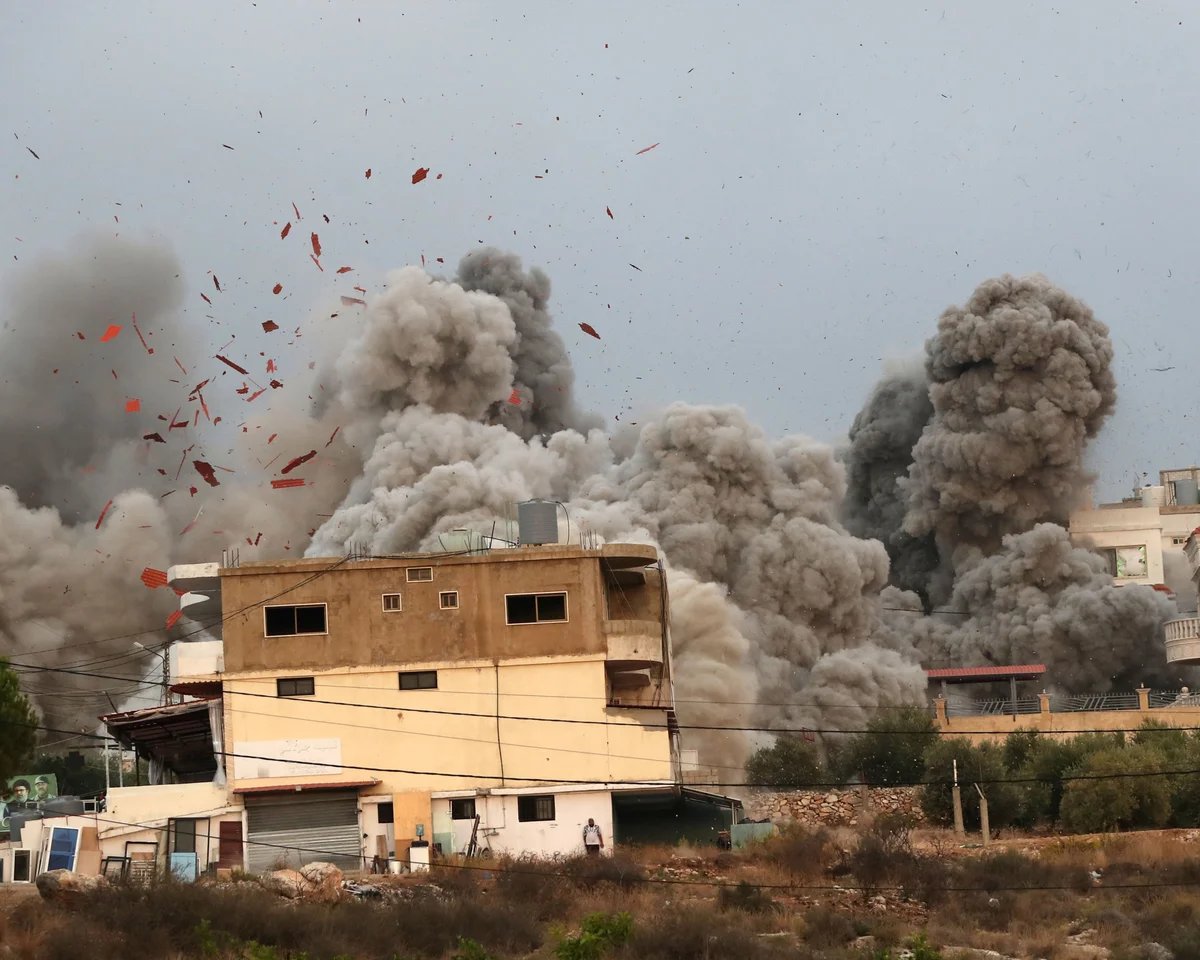
Israeli forces carried out fresh strikes on Monday targeting multiple areas in southern Lebanon, according to Lebanese security officials and state media. Explosions were reported near Baalbek and several border villages, while smoke clouds rose above towns already devastated by weeks of bombardment.
Israel claims the operations are aimed at preventing Hezbollah from rebuilding military infrastructure near the border. The Israeli military said it struck more than 30 Hezbollah-linked sites within 24 hours and issued evacuation warnings for several villages before launching attacks.
Lebanon, however, accuses Israel of systematically violating the ceasefire and deepening the humanitarian organizations describe as a worsening crisis. Officials in Beirut say the strikes are undermining efforts to restore state authority in southern Lebanon and are preventing displaced civilians from safely returning home.
The current conflict reignited after broader regional tensions involving Iran escalated sharply earlier this year. Hezbollah, which is backed by Iran, intensified attacks on Israel following Israeli and US military operations linked to Tehran. Israel responded with widespread airstrikes and ground incursions into southern Lebanon.
Since then, large parts of southern Lebanon have been turned into active combat zones. Entire villages near the frontier have suffered extensive destruction, with hospitals, roads, and civilian infrastructure repeatedly damaged in air raids and artillery attacks.
Over the weekend, Israeli strikes reportedly targeted more than two dozen towns and villages across southern Lebanon. Lebanese media and aid groups said only a small number of those areas received evacuation warnings beforehand, raising fears among humanitarian organizations over the growing civilian toll.
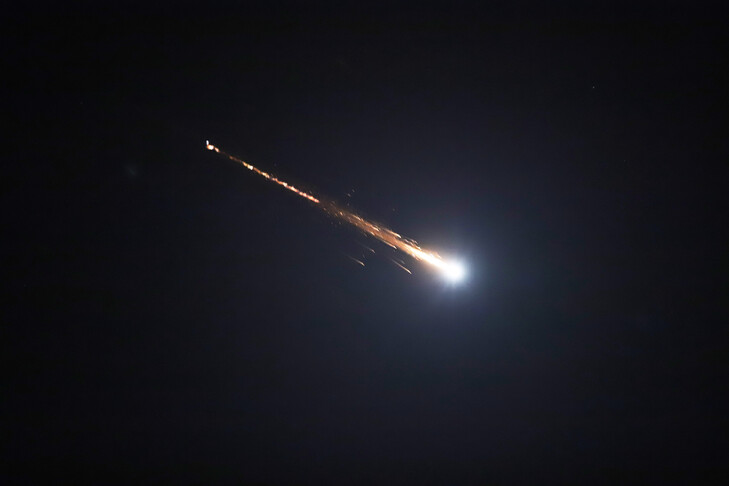
Hezbollah has also intensified retaliation efforts. The group announced new drone and missile attacks against Israeli military positions in northern Israel, including operations targeting the Yaara barracks and Iron Dome systems in the Galilee region.
Israel confirmed that some projectiles and explosive drones crossed into Israeli territory, while fighting continued between Israeli ground troops and Hezbollah fighters in parts of southern Lebanon. Israeli authorities say at least 20 soldiers and several civilians have been killed since the conflict escalated in March.
Despite the ceasefire extension, Israeli forces continue to occupy a buffer zone inside southern Lebanon that stretches several kilometers from the border. Israel says the zone is necessary to prevent Hezbollah infiltration and rocket attacks, while Lebanon describes the presence as an occupation that threatens any possibility of long-term stability.
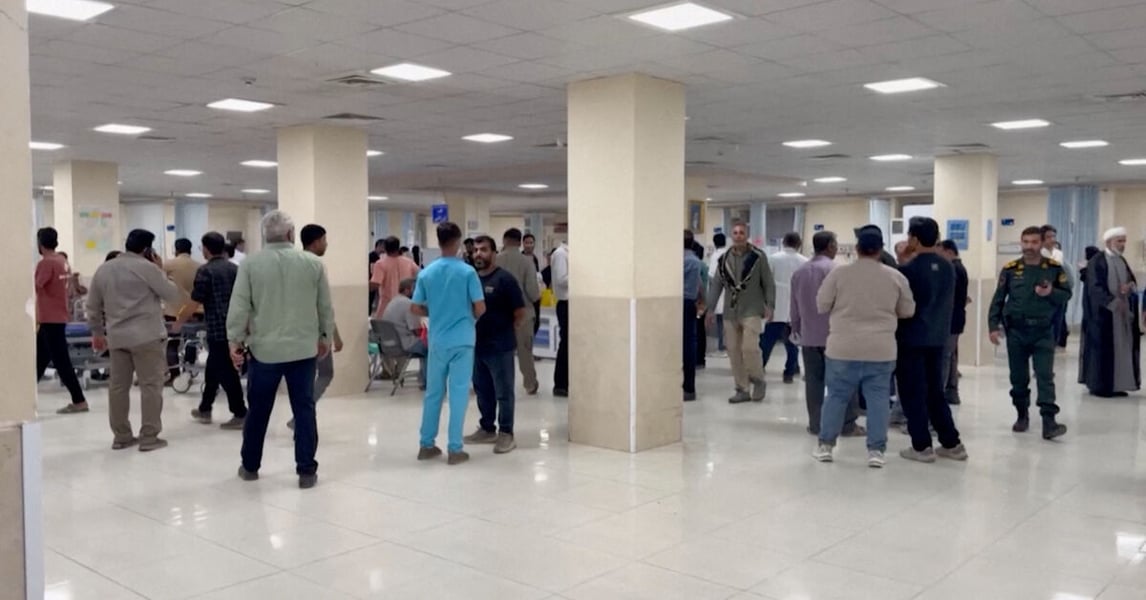
The humanitarian situation inside Lebanon continues to deteriorate rapidly. Medical workers and aid agencies warn that hospitals in southern regions are overwhelmed by casualties, while many displaced families remain stranded in temporary shelters or makeshift camps near Beirut and coastal areas.
International pressure for a broader diplomatic solution has intensified as fears grow that the conflict could spiral into a larger regional war involving Iran and the US. Tehran has reportedly linked any broader negotiations with Washington to an end to Israel’s military campaign in Lebanon.
Meanwhile, political divisions inside Lebanon continue to complicate peace efforts. Hezbollah is not formally part of the ongoing negotiations between Beirut and Tel Aviv, despite remaining the central military force confronting Israel on the ground. Lebanese officials have insisted that any lasting settlement must include a full Israeli withdrawal from southern Lebanon and guarantees against future strikes.
The ceasefire itself remains fragile. Since it was first announced in April, both Israel and Hezbollah have repeatedly accused each other of violations, while clashes and air raids have persisted almost daily. Analysts warn that without a broader regional agreement involving Iran, Lebanon, Israel, and the US, the truce could collapse entirely.
For civilians trapped in the conflict zones, the extended ceasefire has brought little relief. In many towns across southern Lebanon, families continue to flee air raids while rescue crews search through rubble left behind by repeated strikes.
As diplomatic talks prepare to resume in early June, the rising death toll has become a stark symbol of how quickly the ceasefire is unraveling and how deeply the conflict continues to destabilize the region.