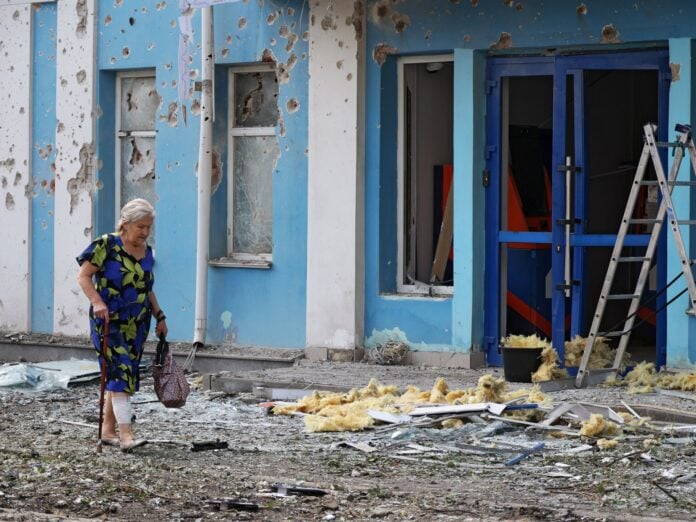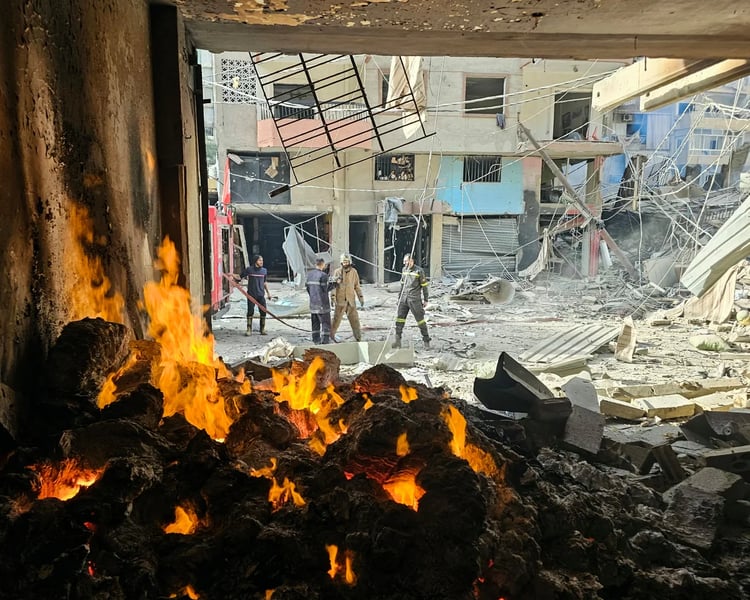

Israeli warplanes launched one of the broadest waves of attacks across Lebanon since the April ceasefire, striking 30 populated areas in the country’s south and east while artillery shelling and drone operations intensified near Beirut and border regions, according to Lebanese military field sources and health officials.
The escalation has deepened fears that the fragile ceasefire between Israel and Hezbollah is rapidly collapsing despite ongoing US-mediated diplomatic talks aimed at preventing a wider regional war.
A Lebanese military field source told RIA Novosti that Israeli aircraft attacked 29 settlements in southern Lebanon and another area in eastern Lebanon on May 13, while artillery bombardments targeted at least six populated areas. Israeli strike drones were also reportedly used extensively, including operations against vehicles in 12 separate locations.
Three of those drone attacks occurred roughly 25 kilometers south of Beirut, marking another sign that Israeli military operations are increasingly expanding beyond frontline border villages.
According to Lebanon’s Health Ministry, 27 people were killed in Israeli attacks over the past 24 hours, pushing the total number of deaths since March 2 to 2,896. More than 8,700 people have also been wounded since hostilities reignited earlier this year.
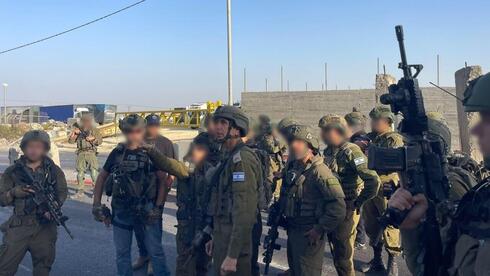
The Israeli military said its operations targeted infrastructure allegedly linked to Hezbollah in southern Lebanon. The Israel Defense Forces claimed strikes were aimed at militant positions and logistical facilities used by the Iran-backed movement.
The latest attacks came despite an officially declared ceasefire between Israel and Lebanon brokered in April under US mediation. While the truce temporarily reduced the scale of fighting, clashes, drone warfare and cross-border attacks have continued almost daily across southern Lebanon.
Israeli strikes have intensified in recent weeks, including direct attacks near Beirut that shattered earlier assumptions that the Lebanese capital would remain largely outside the battlefield. Reuters reported that ceasefire between Israel and Hezbollah has repeatedly come under pressure following Israeli operations targeting alleged Hezbollah commanders and infrastructure.
The conflict has evolved into an increasingly sophisticated drone war. Hezbollah has expanded its use of low-cost explosive drones and cross-border attacks against Israeli military positions, while Israel has dramatically increased surveillance flights, drone strikes and targeted assassinations inside Lebanese territory. Reuters described the fighting as an evolving drone war in southern Lebanon that threatens broader regional stability.
Lebanese officials have repeatedly accused Israel of violating the ceasefire agreement through continued airstrikes, artillery attacks and demolitions in southern villages. Lebanese President Joseph Aoun recently said Lebanon urged Washington to pressure Israel into halting military operations that Beirut says are destabilizing the country and obstructing any realistic path toward de-escalation.
The continuing bombardment follows earlier reports of Israeli airstrikes 28 Lebanese towns during another intense wave of attacks that raised fears of a wider regional conflict involving Iran and Gaza.
Hezbollah, meanwhile, has declared that the ceasefire has become effectively meaningless because of continuing Israeli attacks and the presence of Israeli troops inside what Israel describes as a security buffer zone in southern Lebanon. Reuters previously reported that Hezbollah called the ceasefire meaningless amid intensifying Israeli operations.
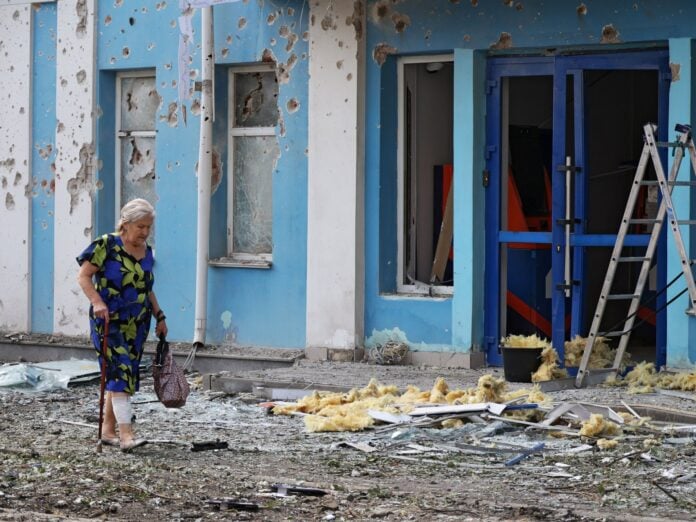
The humanitarian impact has continued to worsen across southern Lebanon, where entire communities remain displaced and infrastructure damage has mounted steadily for weeks. Lebanese authorities estimate that more than one million people have been affected by the conflict since fighting resumed in March.
International concern is also growing over the possibility that the Lebanon front could merge more directly with broader regional tensions involving Iran, Gaza and Red Sea security routes. Analysts say the continuation of Israeli military operations in Lebanon threatens to undermine parallel diplomatic efforts involving Tehran and Washington.
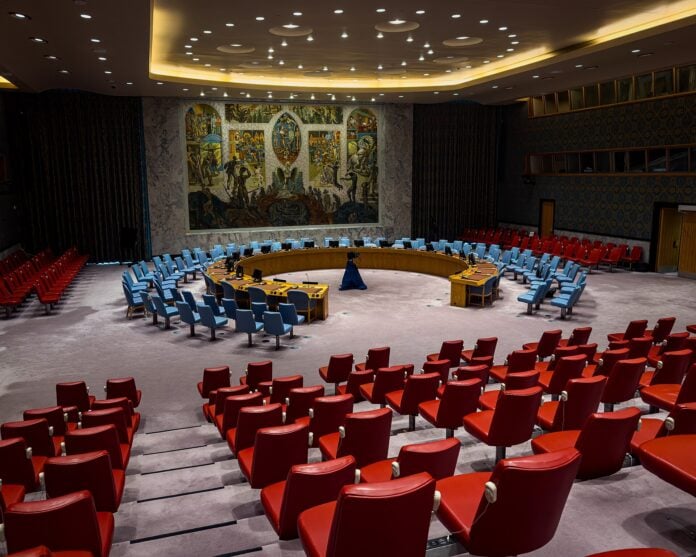
The United Nations has warned that ongoing strikes and rocket attacks by both Israel and Hezbollah may violate international humanitarian law and risk triggering a wider regional escalation. Reuters reported that the UN warned attacks may violate international law as civilian casualties continue rising.
The latest violence also follows previous Israeli strikes kill 39 in Lebanon during an earlier escalation phase that displaced thousands of civilians across southern border regions.
Meanwhile, diplomatic contacts between Lebanon and Israel are continuing behind the scenes through US mediation, with another round of talks reportedly underway in Washington. Those negotiations are aimed at stabilizing the ceasefire framework and preventing full-scale war from returning to the Israel-Lebanon border.
Still, the scale and intensity of the latest Israeli strikes have reinforced skepticism across Lebanon that diplomacy alone can contain the rapidly deteriorating security situation.
As Israeli aircraft continued flying over southern Lebanon late Wednesday and Hezbollah fighters maintained operations near the frontier, residents across the region braced for the possibility that the ceasefire may now exist largely on paper rather than on the ground.
—Inputs from Sputnik.