
Israeli airstrikes killed at least 39 people across southern Lebanon on Saturday, Lebanese health officials said, in a sharp escalation of violence that has further strained a fragile US-brokered ceasefire between Israel and Hezbollah.
The latest attacks hit several towns in southern Lebanon, including Saksakiyeh and Nabatieh, as Israel intensified operations it says are targeting Hezbollah infrastructure and operatives near the border.
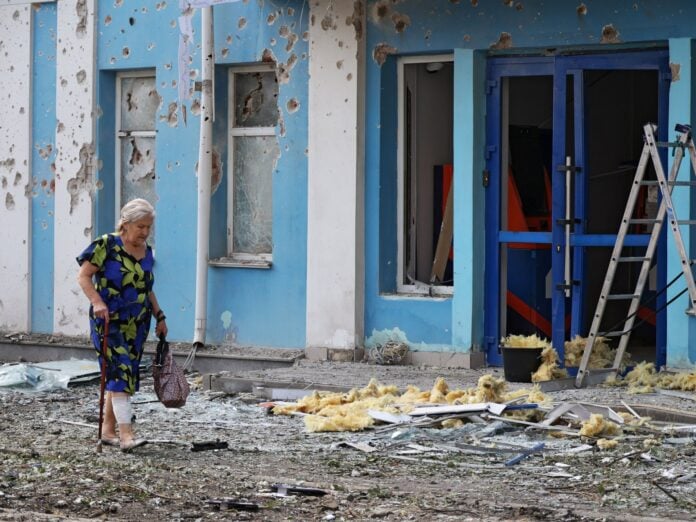
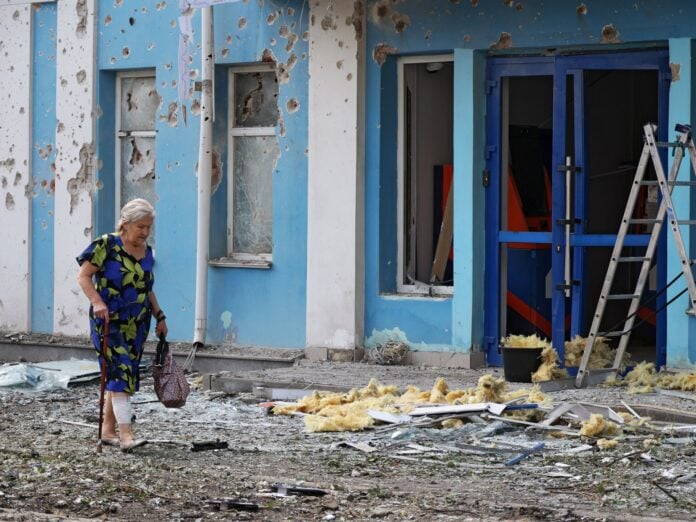
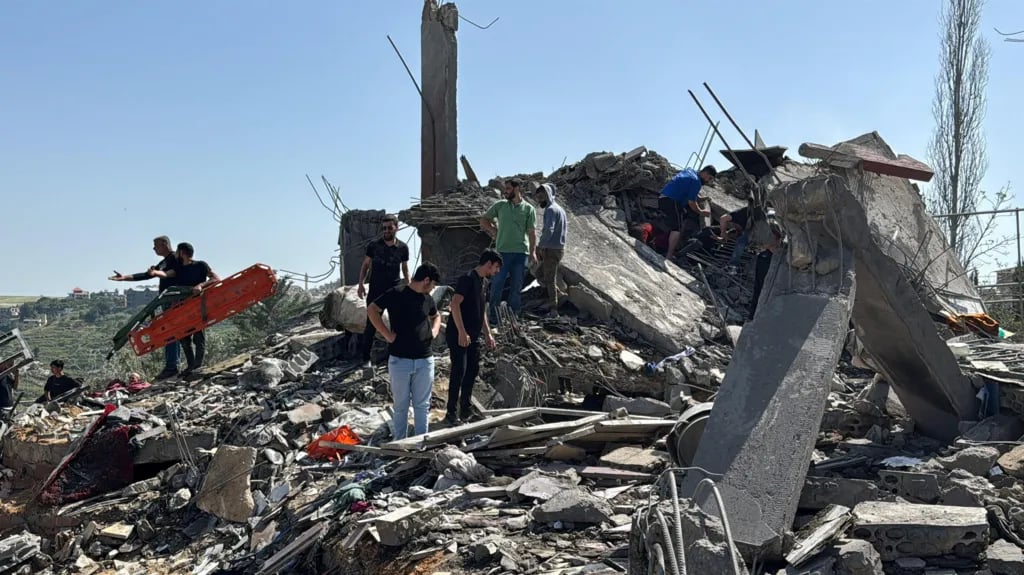
The deadliest strike struck the town of Saksakiyeh in the Sidon district, where at least seven people, including a child, were killed and 15 others wounded, according to Lebanon’s Ministry of Public Health. Lebanese media reported scenes of widespread destruction after Israeli aircraft hit a residential area, flattening buildings and leaving emergency crews searching through rubble for survivors.
The Israeli strike killed seven in southern Lebanon during one of the heaviest bombardments seen since the April truce agreement.
Another strike in the southern city of Nabatieh drew outrage after Lebanese authorities said an Israeli drone targeted a Syrian man traveling on a motorcycle with his 12-year-old daughter. According to Lebanon’s health ministry, the pair survived an initial strike and attempted to flee before being attacked again. The father was killed, while the girl suffered critical injuries and underwent emergency surgery.
The Israeli military said its operations in southern Lebanon were aimed at Hezbollah militants and infrastructure allegedly being used to prepare attacks against Israeli forces and northern Israeli communities.
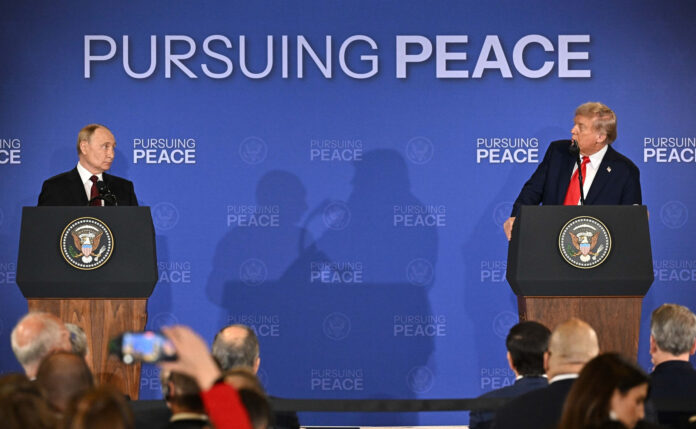
The violence marked one of the bloodiest days since US President Donald Trump announced a ceasefire agreement between Israel and Lebanon on April 16.
While the agreement temporarily reduced the scale of hostilities, fighting has continued almost daily along the border, with Israeli airstrikes and Hezbollah drone and rocket attacks persisting despite diplomatic efforts to stabilize the truce.
Hezbollah said Saturday it launched an explosive drone toward northern Israel in retaliation for continued Israeli attacks inside Lebanon. The Israeli military confirmed the attack wounded three reservists, one seriously, near the border area.
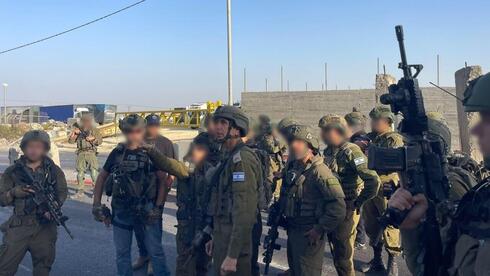
Israeli forces continue to maintain positions inside parts of southern Lebanon near the border, areas Israeli officials describe as a buffer zone intended to prevent Hezbollah fighters from approaching northern Israeli communities.
Earlier this week, first strike on Beirut’s southern suburbs since the ceasefire killed a Hezbollah commander identified by Israel as Ahmed Ali Balout, a member of the group’s elite Radwan force.
The continuing conflict has devastated large areas of southern Lebanon, where entire villages have suffered extensive destruction following months of Israeli bombardment and military operations.
Humanitarian groups and rights organizations have expressed growing concern about civilian casualties and damage to homes, roads, hospitals, and rescue infrastructure in the region.
Lebanese authorities say Israeli attacks have intensified significantly in recent weeks. According to Lebanon’s health ministry, more than 120 people have been killed in Israeli strikes over the past week alone.
The ministry does not distinguish between civilians and combatants in its casualty counts, though Lebanese officials say women and children have been among the dead.
The latest escalation comes amid broader regional tensions following months of confrontation involving Israel, Iran, and Iran-aligned armed groups across the Middle East.
Hezbollah resumed attacks against Israel earlier this year after Israeli and US military operations targeting Iran, leading Israel to expand its military campaign inside Lebanon.
The escalation also comes as Israel attacks Lebanon despite ceasefire arrangements that were supposed to calm the border region.
Israeli officials insist military operations will continue until Hezbollah’s military capabilities near the frontier are dismantled, while Lebanese authorities accuse Israel of undermining diplomatic efforts.
Despite diplomatic efforts led by Washington, prospects for a durable ceasefire remain uncertain as both sides continue exchanging attacks.
Diplomatic negotiations are now focused on stabilizing the ceasefire and reducing tensions along the border, though fighting on the ground continues to intensify.
The renewed violence follows weeks in which Israeli strikes on Beirut’s southern suburbs and southern Lebanon pushed the region closer to another full-scale war.
Regional tensions have further escalated after Israel expanded its military campaign inside Lebanon while continuing operations linked to the wider confrontation with Iran.
Analysts warn that the fighting has continued almost daily along the border, raising fears that fighting has continued almost daily along the border could spiral into a broader regional conflict.
The crisis has also deepened concerns that Trump announced a ceasefire agreement that has failed to stop the cycle of retaliatory attacks between Israel and Hezbollah.