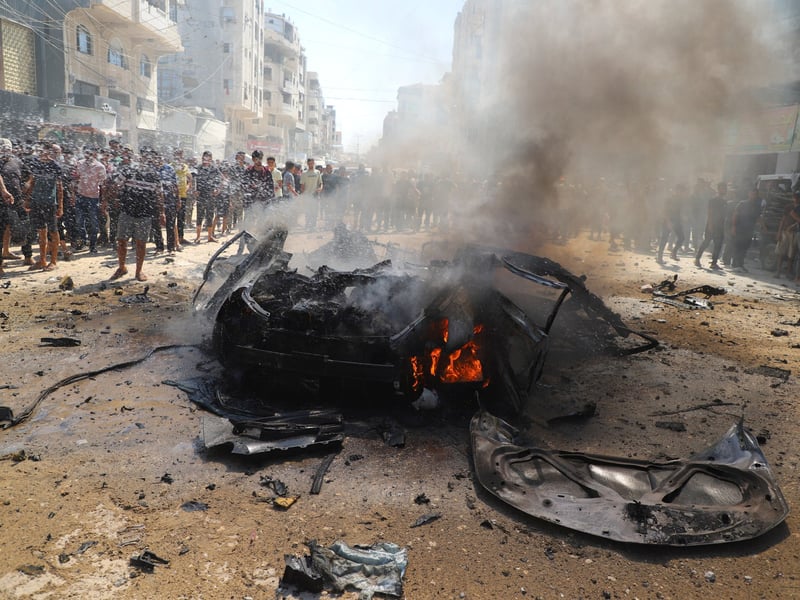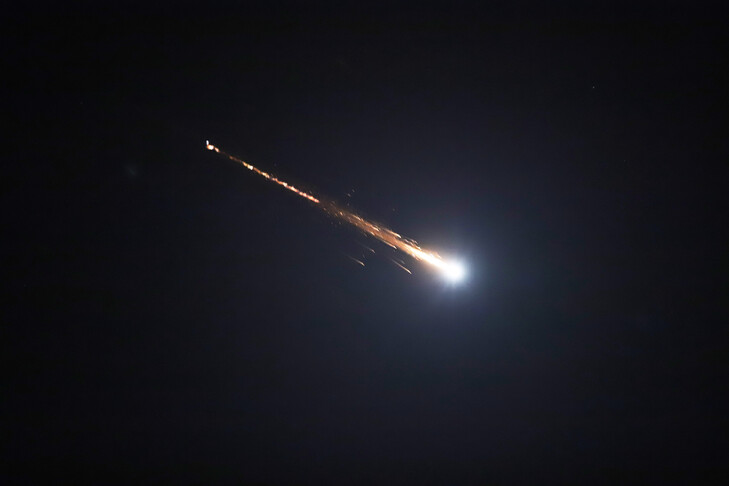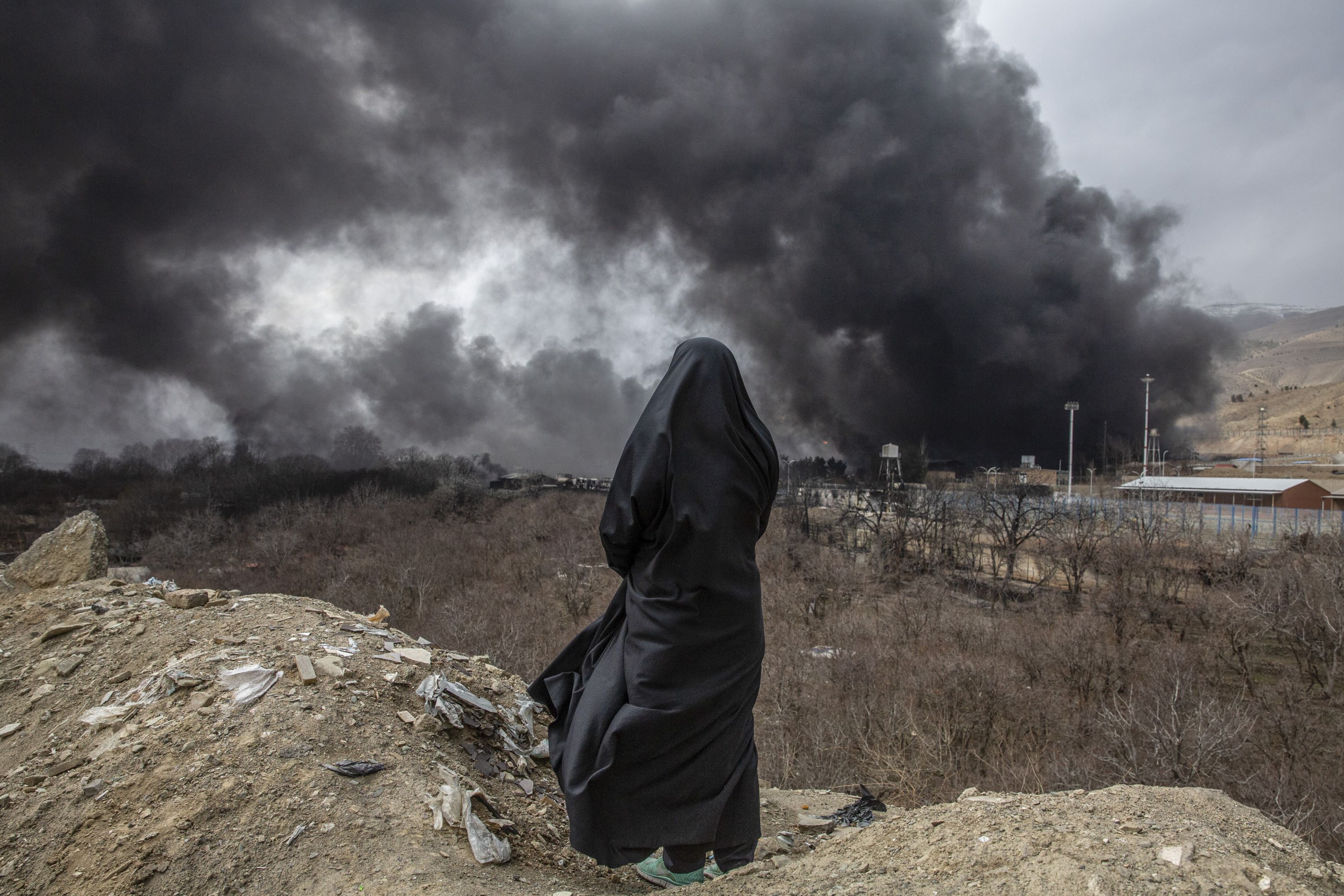

The war that now grips much of the Middle East began in the early hours of February 28, when the United States and Israel launched a coordinated wave of airstrikes across Iran, targeting military installations, government sites and key infrastructure. Explosions echoed across Tehran and other cities, marking one of the most consequential escalations in the region in decades.
Within hours, the conflict had already begun to widen. Iranian officials confirmed casualties among both military personnel and civilians, while retaliatory missile and drone strikes were launched toward Israel and US-linked targets across the region. What began as Israel attacks Iran airstrikes and oil war escalation has now evolved into a sustained and widening confrontation.
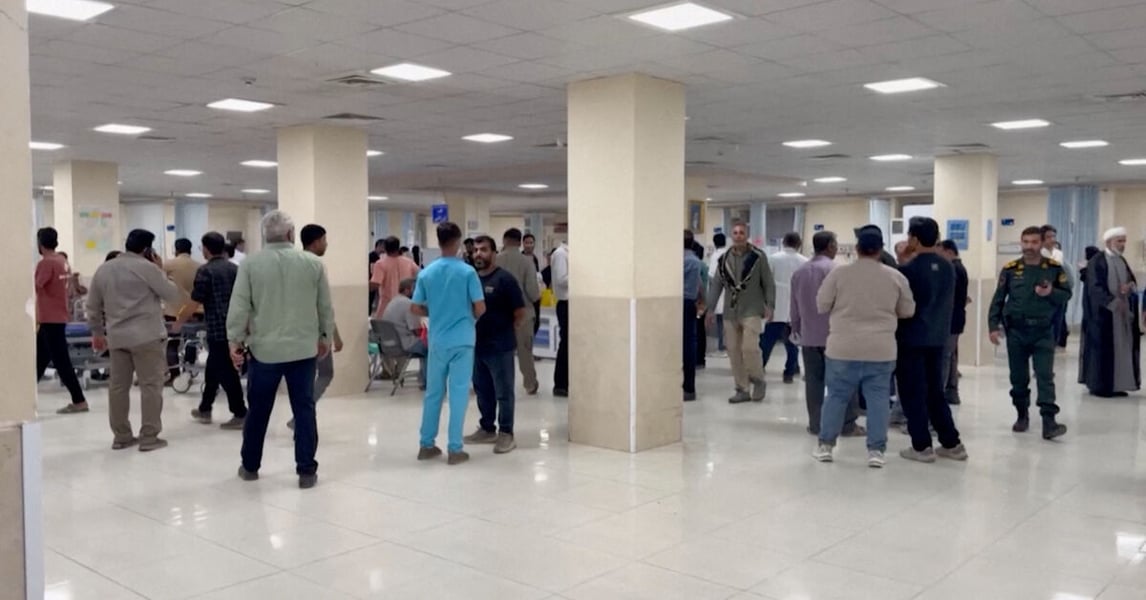
Early casualty estimates suggested significant losses across multiple fronts, underscoring the rapid human toll of the confrontation. The strikes, described by US and Israeli officials as preemptive, have instead triggered sustained retaliation, expanding the conflict far beyond its initial scope.
A War That Spread Beyond Borders
In the days following the initial assault, Iran responded with a barrage of missile and drone attacks targeting Israeli cities, US military bases, and allied infrastructure across the Gulf. The scale of retaliation signaled that the confrontation would not remain contained.
Missiles struck areas in Israel, including residential zones, while Iranian operations extended to strategic locations in Bahrain and elsewhere. These developments mirror earlier escalation patterns seen when Iran strikes Tel Aviv after Israel attacks Iran, reinforcing the cycle of attack and retaliation.
At the same time, Israel expanded its military operations beyond Iran, intensifying strikes against Hezbollah positions in southern Lebanon. The result has been a steadily widening theater of conflict, drawing in additional actors and raising the risk of prolonged instability across the region.
Despite the intensity of the campaign, questions persist about its effectiveness. Analysts note that Israeli leadership has struggled to translate military strikes into political gains, highlighting the limits of airpower in achieving strategic outcomes.
Strategic Goals and Contested Justifications
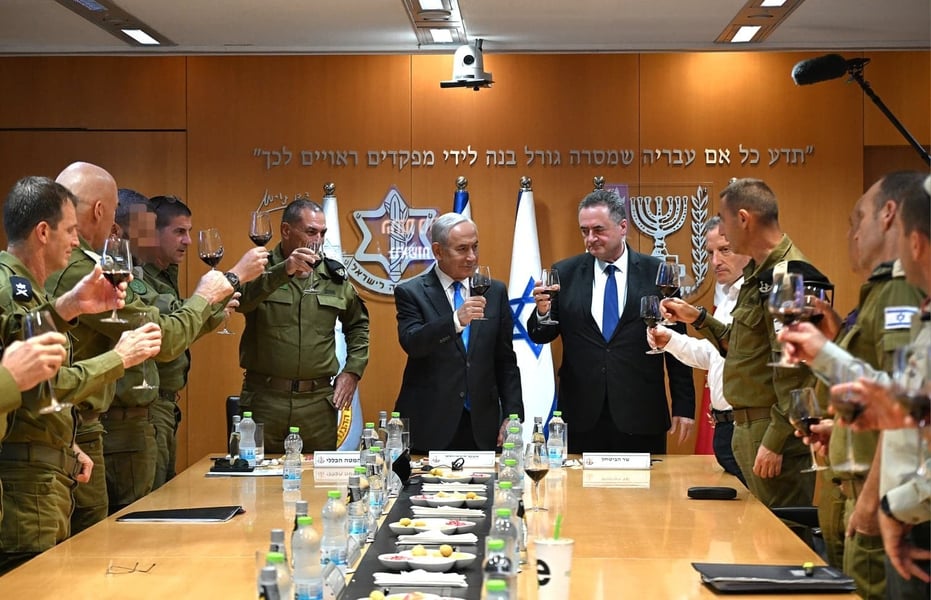
Officials in Washington and Tel Aviv have offered varying explanations for the strikes. Some described the operation as an attempt to neutralize Iran’s missile capabilities, while others pointed to broader objectives, including weakening Iran’s regional influence.
However, these justifications have been met with skepticism. Critics argue that the scale of the operation risks violating international norms and could further destabilize an already volatile region. The war has also intensified concerns that external intervention may deepen, rather than resolve, long-standing geopolitical tensions.
The conflict has also exposed vulnerabilities in US military operations. Incidents such as a US jet shot down over Tehran have underscored the risks of escalation and the unpredictability of the battlefield.
Oil Routes and Economic Shock
One of the most immediate global consequences of the conflict has been its impact on energy markets. Following the strikes, tensions in the Strait of Hormuz escalated sharply, disrupting one of the world’s most critical oil transit routes.
Recent data shows that shipping traffic has nearly come to a standstill in the Strait of Hormuz, with only a handful of vessels passing through compared to normal levels. The disruption has raised fears of prolonged supply constraints and economic instability.
The crisis intensified further after the United States seized an Iranian cargo vessel, prompting Tehran to warn of retaliation and casting doubt on already fragile ceasefire negotiations.
The European Union has also moved to respond, with plans to expand sanctions linked to disruptions in the Strait of Hormuz, signaling broader international concern over the economic fallout.
Energy markets have reacted swiftly. Oil prices have surged amid fears of prolonged disruption, with analysts warning that even partial blockages could have cascading effects on global supply chains and economic stability.
A Fragile Ceasefire, A Persistent Conflict
Despite intermittent ceasefire efforts, the war remains far from resolved. Diplomatic initiatives have struggled to gain traction, with both sides accusing each other of violations.
According to live developments, ceasefire talks remain uncertain following the seizure of the Iranian ship, highlighting the fragile nature of current negotiations.
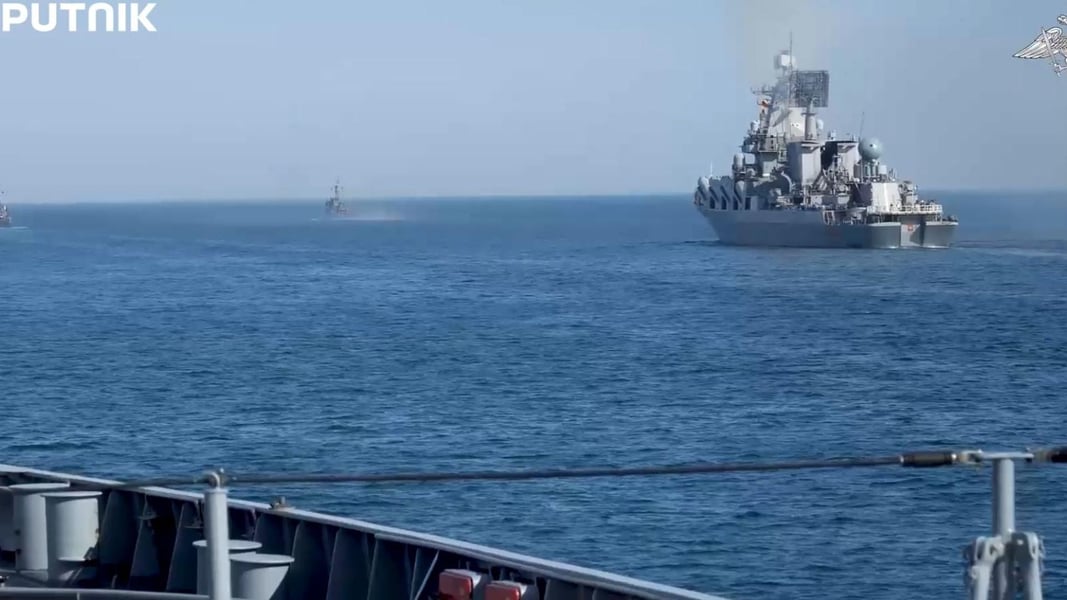
The United States has maintained a naval presence in the region, while signaling readiness for further military action if diplomacy fails. Iran, in turn, has warned that continued pressure will provoke additional retaliation, reinforcing a cycle of escalation.
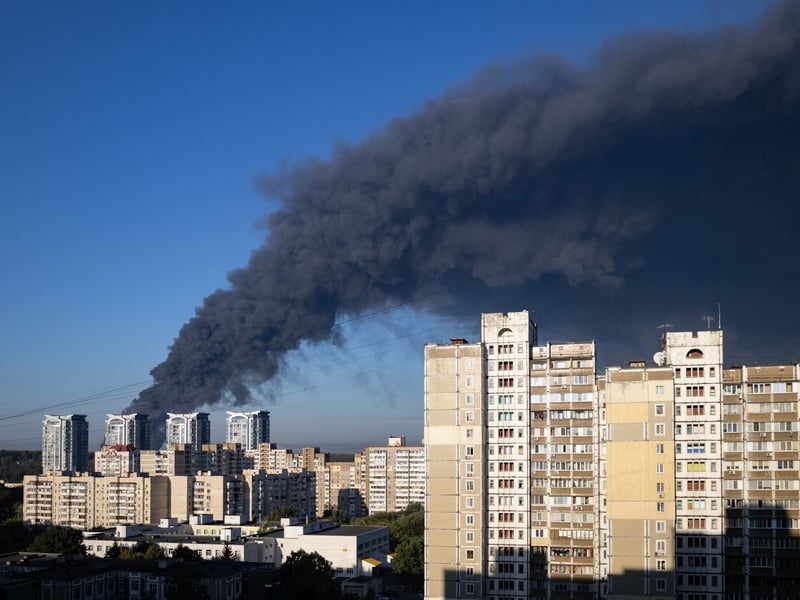
The humanitarian and economic consequences continue to mount. Thousands have been affected across multiple countries, and infrastructure damage has disrupted essential services.
No Clear Endgame
Weeks into the conflict, neither side has achieved a decisive outcome. Israeli military operations have inflicted damage but have not eliminated Iran’s capacity to respond.
The broader regional impact is evident in developments such as the war backfiring as Tehran intensifies retaliation, suggesting that escalation has produced diminishing returns.
Analysts note that Iran retains both its missile capabilities and its regional alliances, complicating any path toward resolution. The conflict has instead entered a phase defined by attrition, uncertainty and growing international concern.
The Stakes Ahead
The conflict between the United States, Israel and Iran is no longer a limited military exchange. It has become a defining geopolitical crisis, with implications for global energy markets, regional stability and international law.
Whether through diplomacy or continued escalation, the trajectory of this war will shape not only the Middle East but the global order in the months ahead.