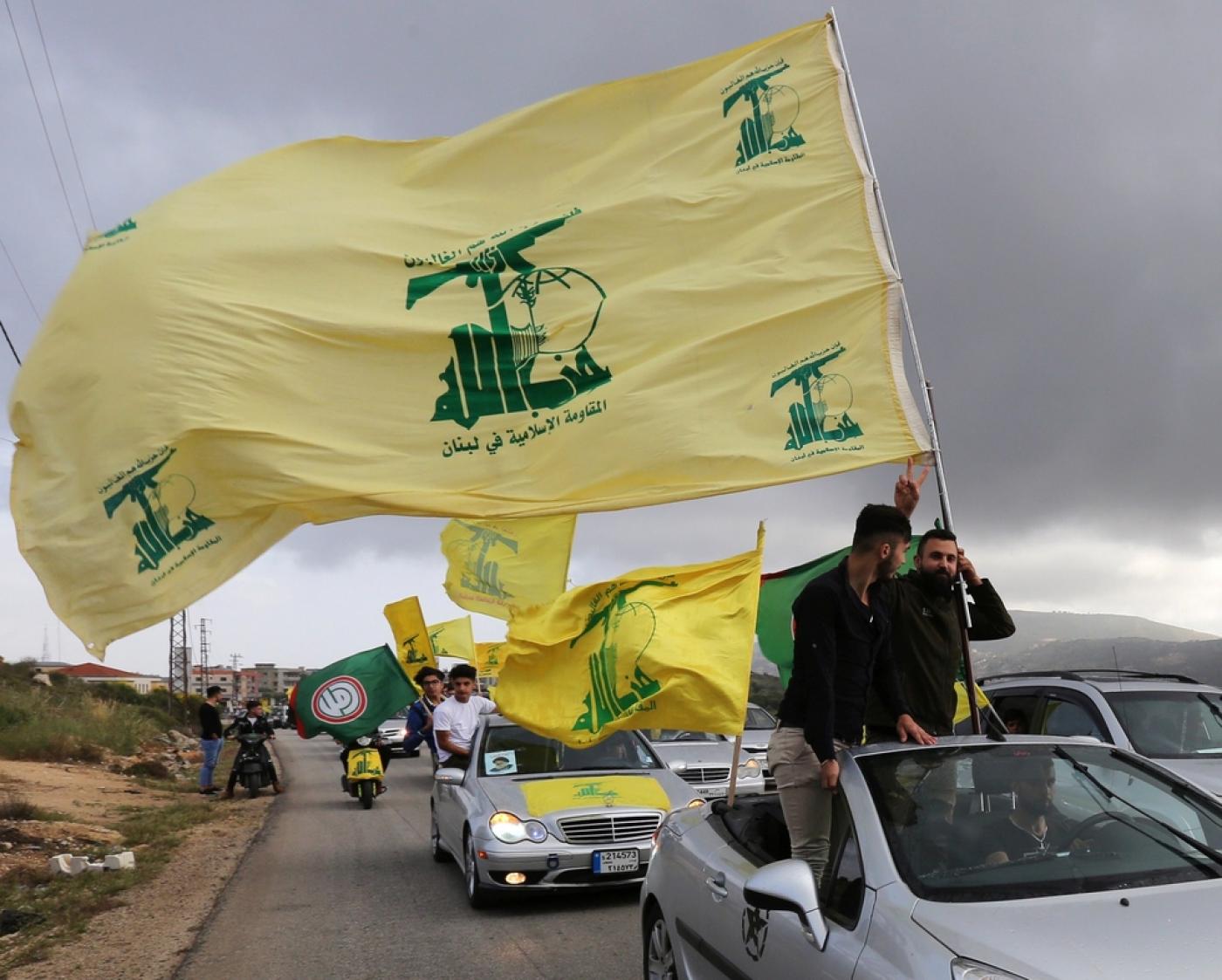

Lebanon’s fragile political order came under renewed international pressure on Thursday after the US Treasury Department announced sweeping sanctions against nine individuals accused of maintaining and expanding the influence of Hezbollah within the country’s political, military, and security institutions. The move signals Washington’s latest attempt to weaken the Iran-backed movement at a time when tensions across the Middle East remain dangerously high.
The sanctions package, unveiled by the Office of Foreign Assets Control (OFAC), targeted several senior Lebanese officials and political figures allegedly tied to Hezbollah and its allied networks. Among those sanctioned were Iran’s designated ambassador to Lebanon, Mohammad Reza Sheibani, senior Lebanese security officials, members of parliament, and individuals linked to the Amal Movement, Hezbollah’s long-time political ally.
According to the Treasury Department, the sanctioned individuals were accused of “obstructing the peace process in Lebanon” and helping Hezbollah preserve its grip over critical Lebanese institutions. Washington claimed Hezbollah-aligned figures had embedded themselves across Lebanon’s parliament, military, and internal security apparatus to shield the group from growing domestic and international pressure.
The sanctions represent one of the most aggressive US actions yet against sitting Lebanese officials tied to Hezbollah-linked structures. US officials argued that Hezbollah continues to exploit Lebanon’s weakened state institutions while leveraging political alliances and security connections to maintain operational influence despite mounting regional scrutiny.
Among the key figures named in the sanctions were Brigadier General Khattar Nasser Eldin, chief of the National Security Department within Lebanon’s General Security Directorate, and Colonel Samir Hamadi, head of the Dahiyah branch of Lebanese Armed Forces Intelligence. US officials accused both men of facilitating Hezbollah’s operations and ensuring the group retained strategic access to Lebanese state mechanisms.
The sanctions also intensified pressure on Iran’s diplomatic presence in Lebanon. Mohammad Reza Sheibani, Tehran’s designated envoy to Beirut, had already become a source of political controversy after Lebanon’s Foreign Ministry revoked his accreditation earlier this year and declared him persona non grata. Lebanese authorities reportedly ordered him to leave the country by March 29, though reports indicated he remained in Lebanon with backing from Hezbollah.
Washington’s latest measures come amid broader regional efforts aimed at curbing Hezbollah’s military and political power following heightened confrontation involving Israel, Lebanon, Iran and allied resistance groups. US officials have increasingly framed Hezbollah not only as a regional armed movement but also as a parallel power structure operating inside Lebanon’s state institutions.
The sanctions arrive at a sensitive moment for Lebanon, which continues to face economic collapse, political fragmentation, and growing public dissatisfaction. Analysts say Washington hopes financial restrictions and diplomatic isolation will pressure Lebanese authorities to distance themselves from Hezbollah’s influence, particularly within security agencies and parliament.
At the same time, critics of US policy argue the sanctions risk deepening Lebanon’s instability by targeting officials inside already fragile state institutions. Hezbollah and its allies have repeatedly accused Washington of using economic pressure and sanctions as political weapons designed to reshape Lebanon’s internal balance of power in favor of Western and Israeli interests.
The Treasury Department stated that all property and financial interests belonging to the sanctioned individuals under US jurisdiction would be frozen. American citizens and entities were also prohibited from engaging in transactions with the listed figures.
The move follows a broader campaign by Washington targeting Hezbollah’s financial and logistical networks across the Middle East. Earlier this year, OFAC sanctioned Lebanon-based gold exchange firms and financial operatives accused of helping Hezbollah convert Iranian-linked assets into usable funds. US officials claimed those operations formed part of a larger effort to sustain Hezbollah’s regional activities despite years of sanctions pressure.
Recent months have seen a dramatic escalation in regional tensions linked to Hezbollah and Iran-aligned groups. The US has accused multiple Iran-backed organizations of coordinating attacks and destabilizing activities across the Middle East and beyond, while Hezbollah has remained deeply involved in regional confrontations tied to the ongoing Israel-Lebanon conflict and wider tensions involving Tehran and Washington.
Lebanon itself has become increasingly divided over Hezbollah’s future role. Following cross-border escalations earlier this year, Lebanese political leaders and security institutions faced mounting international demands to assert state authority over armed groups operating outside government control. Reports in recent months indicated that Lebanon’s government had explored measures restricting Hezbollah’s military activities amid fears of broader regional war.
Despite growing external pressure, Hezbollah continues to maintain substantial political influence inside Lebanon through parliamentary representation, alliances with groups such as the Amal Movement, and longstanding support for Hezbollah within sections of Lebanese society. The organization has repeatedly rejected calls for disarmament, arguing its military capabilities remain necessary to confront Israeli threats and defend Lebanese sovereignty.
Washington’s sanctions announcement also coincided with ongoing US-backed diplomatic efforts aimed at extending ceasefire arrangements between Israel and Lebanon. Negotiations mediated by American officials have focused on border security, military de-escalation, and efforts to reduce Hezbollah’s operational presence near Israel’s northern frontier.
The broader geopolitical implications of the sanctions are likely to reverberate far beyond Lebanon. Iran has consistently viewed Hezbollah as a central pillar of its regional alliance network, while the US and its allies continue to regard the movement as one of the most powerful Iran-backed groups operating in the Middle East.
For Lebanon, the sanctions deepen an already difficult political environment where competing international pressures, economic hardship, and regional instability continue to collide. With parliamentary divisions intensifying and foreign powers increasingly involved in Lebanon’s internal affairs, the latest US measures are expected to fuel further debate over sovereignty, resistance movements, and the future direction of the Lebanese state.
—Inputs from Sputnik.
Related Posts