
As President Donald Trump waited Friday for what he called Tehran’s imminent response to a new American proposal aimed at ending weeks of confrontation in the Gulf, fresh naval clashes in the Strait of Hormuz and expanding Israeli attacks in Lebanon underscored how fragile the region’s diplomacy had become.
Iranian state-linked media reported “sporadic clashes” between Iranian and US naval forces near the Strait of Hormuz, the narrow maritime corridor through which roughly a fifth of the world’s traded oil passes. At the same time, Israeli strikes across Lebanon killed at least 19 people despite an earlier US-backed ceasefire arrangement intended to contain the conflict from spreading further across the region.
The overlapping crises have left Washington, Tehran, Gulf Arab governments and global energy markets trapped in a dangerous cycle in which military escalation and diplomatic negotiations are unfolding simultaneously.
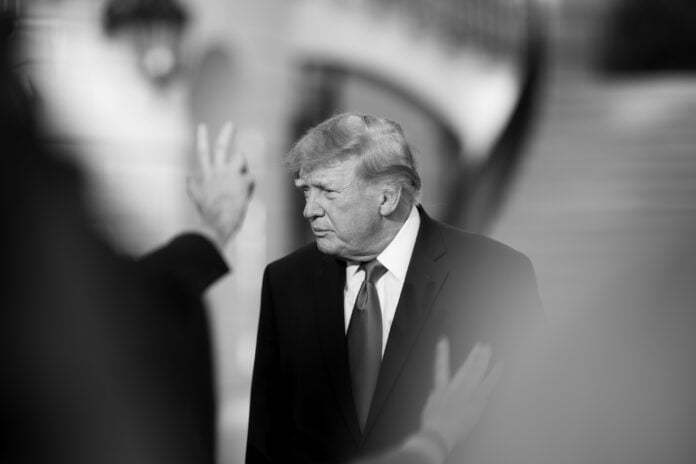
Speaking before departing Washington on Thursday evening, Trump said the White House expected a formal Iranian response “supposedly tonight” regarding a proposed framework that could pause fighting, reopen shipping routes and restart broader negotiations.
But even as diplomats exchanged messages through intermediaries in Pakistan, Qatar and Oman, the military situation in the Gulf continued deteriorating.
The Trump administration has spent days insisting that diplomacy remains possible while also escalating pressure on Tehran through sanctions, naval operations and targeted strikes against Iranian-linked tankers. Iran, meanwhile, has accused Washington of exploiting ceasefire talks as cover for military coercion.
That contradiction has increasingly become the defining feature of the crisis.
American officials say the latest proposal would establish a temporary framework for negotiations, reduce military activity in the Gulf and eventually reopen shipping in the Strait of Hormuz to unrestricted commercial traffic. Tehran has not publicly accepted those terms, and Iranian officials have repeatedly warned that any arrangement perceived as surrendering strategic control of the Strait of Hormuz would be rejected.
The Strait of Hormuz has once again become the geopolitical fault line where military escalation, energy security, and global diplomacy are colliding in real time.
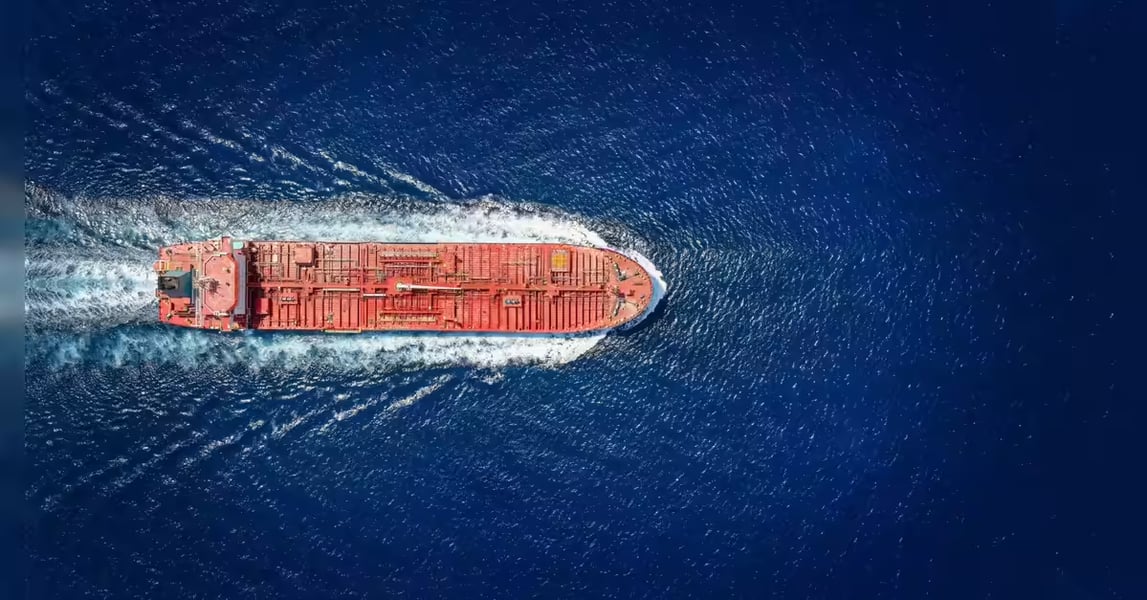
Oil markets remain highly sensitive to any disruption there. Since fighting intensified earlier this spring, commercial shipping through Hormuz has slowed dramatically, insurers have raised shipping costs and energy traders have warned of deeper shocks if hostilities continue.
A growing number of vessels remain stranded or delayed across Gulf shipping lanes as Iran maintains varying restrictions on maritime movement. Analysts say neither US nor Iran can sustain the standoff indefinitely without severe economic consequences.
The White House has framed its naval operations as necessary to protect freedom of navigation and secure global energy routes. Tehran views the deployments differently, arguing that the US military presence near Iranian waters amounts to an undeclared blockade.
The crisis accelerated further after the launch of Project Freedom, a US-led maritime escort mission intended to protect commercial shipping through Hormuz. The operation was later scaled back amid concerns about direct confrontation with Iranian naval forces and reluctance among some regional allies to become more deeply involved militarily.
In recent days, the US military has also carried out retaliatory strikes against Iran, actions Washington described as defensive measures after alleged Iranian attacks on American naval assets. Iran has condemned those strikes as violations of the ceasefire and has threatened broader retaliation if American operations continue.
The conflict’s geographic scope has widened steadily beyond the Gulf.
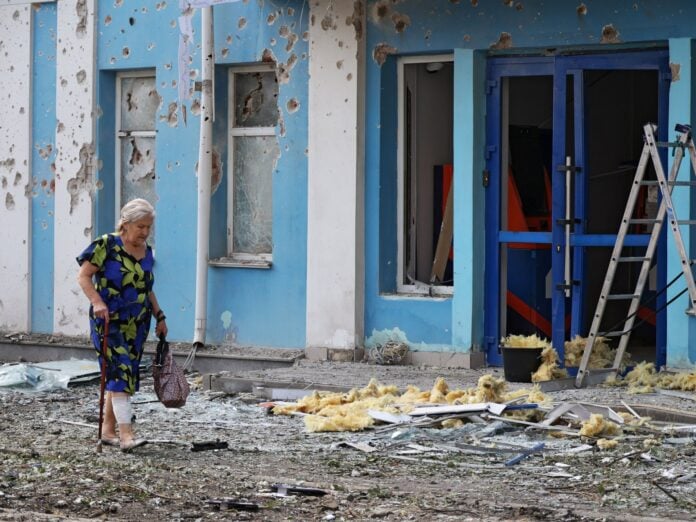
Israeli operations inside Lebanon have intensified sharply over the past week despite diplomatic efforts to preserve a separate ceasefire between Israel and Hezbollah. Lebanese officials and humanitarian organizations say civilian casualties continue rising as strikes hit southern Lebanon and areas near Beirut.
Iranian officials have increasingly linked the Hormuz crisis to Israeli military operations in Lebanon, signaling that Tehran may continue leveraging maritime pressure as long as regional fighting persists.
That linkage has complicated American diplomacy.
US officials have attempted to separate negotiations over Hormuz from the Israel-Lebanon confrontation, but regional actors increasingly see the conflicts as interconnected theaters of the same broader struggle involving Iran, Israel and Washington.
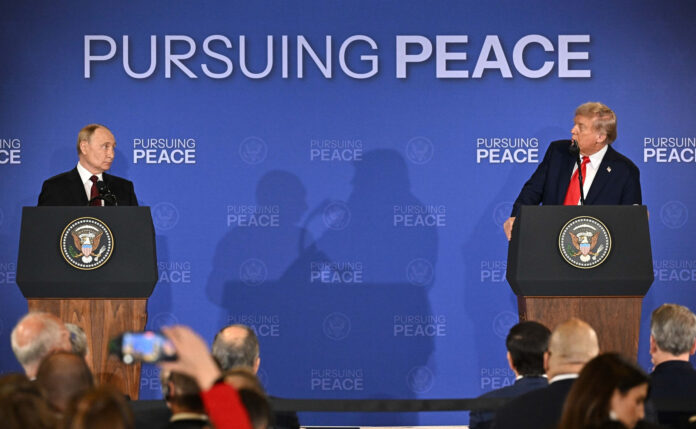
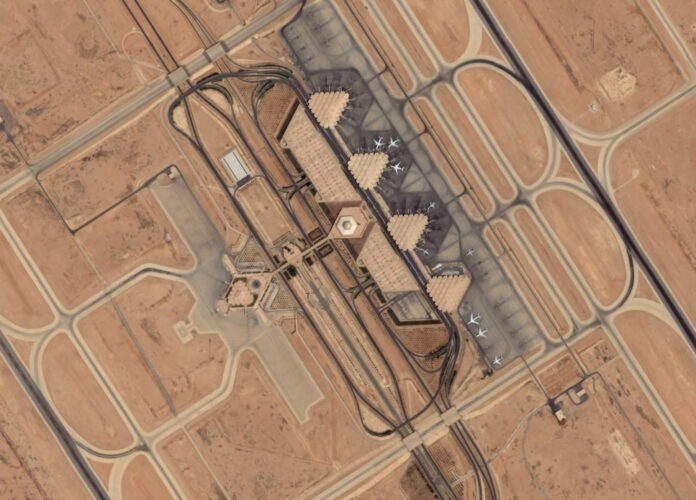
Diplomats from Saudi Arabia, Qatar, Pakistan and Russia have all pushed for renewed negotiations in recent days, fearing that further escalation could destabilize energy markets and drag neighboring countries into direct conflict.
Behind the scenes, European governments remain deeply concerned that the conflict is moving faster than diplomatic channels can contain.
Several Western intelligence and defense officials privately acknowledge that the current confrontation differs substantially from earlier Gulf crises because commercial shipping disruption is already affecting global supply chains in measurable ways.
Energy analysts say prolonged instability in Hormuz could trigger broader inflationary pressure across Asia and Europe while increasing political pressure on governments already struggling with weak economic growth.
At the same time, Tehran appears determined to demonstrate that it can impose significant economic costs without engaging in full-scale conventional war.
Iranian military commanders and state media outlets have portrayed the current maritime standoff as proof that Tehran retains strategic leverage despite sanctions and sustained military pressure from the US and Israel.
The Trump administration publicly maintains that a diplomatic breakthrough remains possible.
Yet American military deployments across the Gulf continue expanding.
US naval patrols near Hormuz have increased, additional sanctions on companies aiding Iran’s weapons sector were announced this week and American officials continue warning of stronger military action if Tehran rejects the latest proposal.
That has fueled skepticism among Iranian officials who believe Washington is attempting to negotiate from a position of overwhelming force.
The result is a diplomatic process overshadowed by constant military signaling.
Even as Iran reviewing US proposal continues through intermediaries, analysts caution that any agreement could remain highly unstable unless broader regional disputes are addressed, particularly Israel’s operations in Lebanon and the competing claims over maritime control in the Gulf.
For now, the region remains suspended between negotiation and escalation.
Tankers continue waiting near Gulf shipping lanes. Fighter jets patrol contested waters. Diplomats exchange proposals through intermediaries. And both Washington and Tehran insist they prefer peace while preparing for the possibility that diplomacy may fail.